Riley says he believes he wrote Taylor Swift’s “Shake It Off” and knows her personally, but Dr. Phil confronts him with publishing credits, unanswered questions, and a powerful warning about wasting energy on claims that do not match reality.
Man Says He Believes He Wrote Taylor Swift’s “Shake It Off,” But Dr. Phil Pushes Him Back to Reality
Some Dr. Phil moments become unforgettable because a guest makes a claim so bold that every question after it feels like a test of reality. In this segment, Riley says, “I’ve known Taylor for a number of years,” and believes he wrote “Shake It Off.” But when Dr. Phil presents the official credits and asks why Taylor Swift would say she never met him, the conversation becomes much deeper than one song. It becomes a serious look at belief, identity, family concern, and the painful difference between feeling something and proving it.
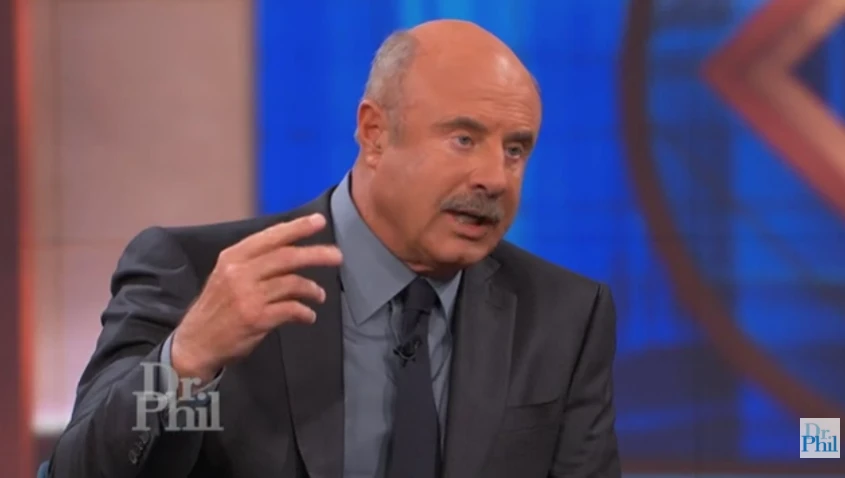
Riley Says He Knows Taylor Swift, But Dr. Phil Questions the Claim
The segment opens with Riley making a confident statement: “I’ve known Taylor for a number of years.” He also says he has known her mother “for a number of years.” From Riley’s point of view, this is not presented as a casual fan belief. He speaks as if there is a real personal history.
Dr. Phil immediately challenges the foundation of that claim. His questions are calm, but direct. The tension comes from the gap between what Riley believes and what Dr. Phil says he has been told.
“She’s Never Met You, Heard of You, or Worked With You”
Dr. Phil asks, “Is there any reason that she would tell me that she’s never met you, heard of you, or worked with you on a song?” That question is the first major reality check.
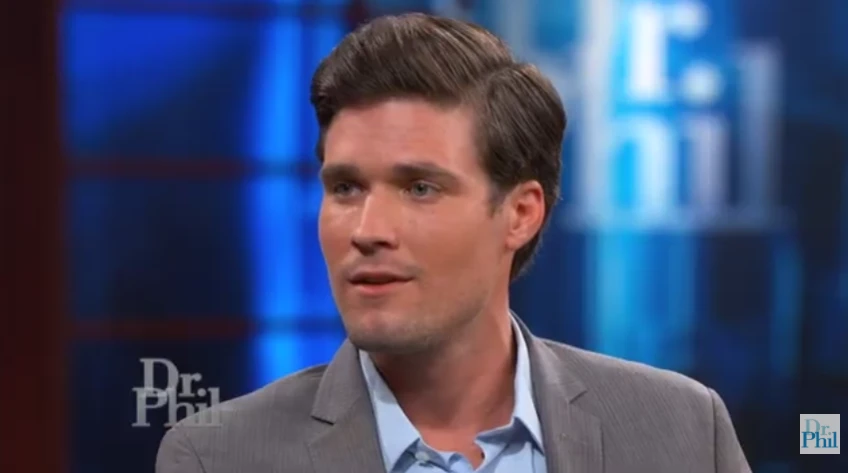
Riley does not have a clear explanation. He answers, “I wouldn’t know,” and later says, “There’s not a reason that I can think of why she would say that.” This response matters because it shows uncertainty entering the conversation. He still holds the belief, but he cannot explain the contradiction.
The Publishing Credits Do Not List Riley
Dr. Phil then brings the discussion to documentation. He says he has the publishing information for “Shake It Off,” and reads the listed names: “Taylor Swift, Max Martin and Shellback.”
Then he makes the point impossible to avoid: “You’re not Max Martin. You’re not Shellback. I know you’re not Taylor Swift.” Riley agrees. Dr. Phil concludes, “So you’re not listed here.”
This is the strongest factual moment in the clip. Riley’s belief is being tested against a written record, and the record does not support his claim.
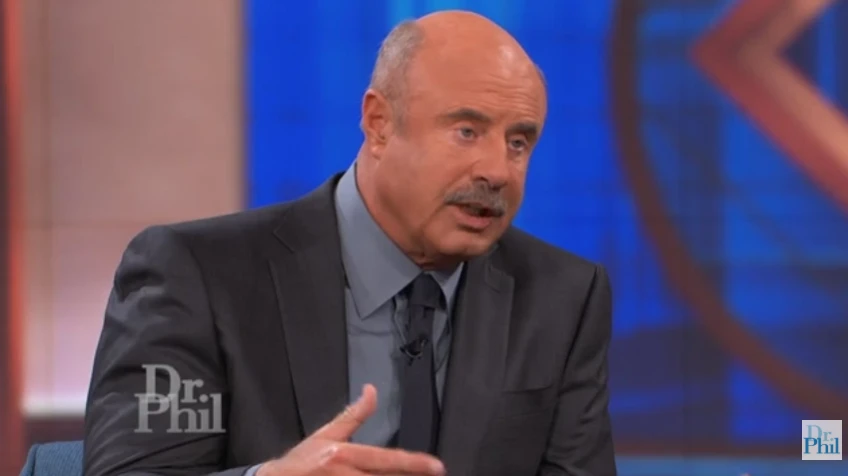
Riley Admits Some Things Are Not Adding Up
To Riley’s credit, he does not completely reject every challenge. He says, “I definitely admit that there’s some questionable thought process going on.” He also connects this to his past, saying that with “the drugs that I was doing for the number of years,” he has to “really consider reality.”
That quote is important because it shows a small opening. Riley is not only arguing. Part of him recognizes that his thoughts may need to be examined more carefully.
The Conversation Shifts From One Song to a Bigger Pattern
Dr. Phil does not stop at “Shake It Off.” He asks whether Riley acknowledges the possibility that he did not write the song. Riley answers, “Absolutely.” Then Dr. Phil asks whether he acknowledges the possibility that he does not know Taylor Swift. Again, Riley says, “Absolutely.”
Those answers create one of the most complicated parts of the segment. Riley can admit the possibility that he is wrong, but he still continues to say he believes the story is true.
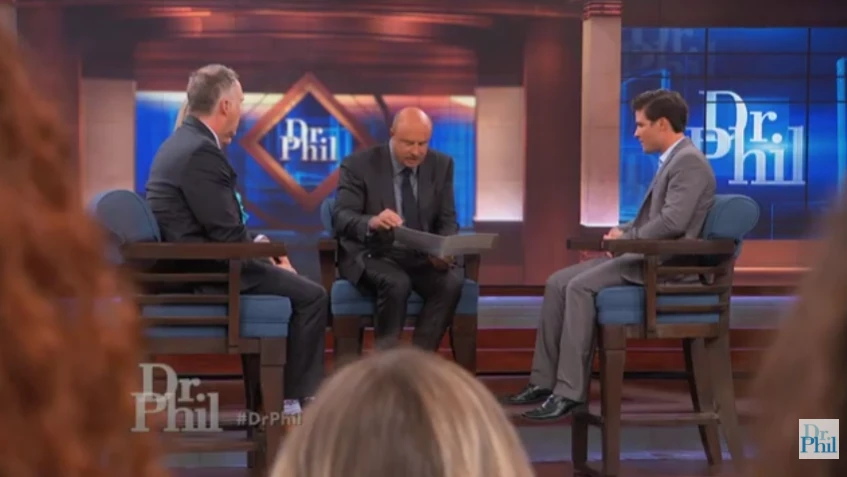
“I Might Be Wrong”
Riley says, “I’ve had to take into consideration that I might be wrong.” That is one of the most reasonable statements he makes in the clip.
But the problem is that acknowledging a possibility is not the same as accepting evidence. Riley leaves the door open to being wrong, yet his emotional belief remains strong. Dr. Phil’s challenge is to help him move from “maybe I’m wrong” toward a grounded understanding of what the records and people involved are saying.
“Everything We Are Seeing… Has Already Happened”
When asked how he explains his belief, Riley gives a larger worldview. He says, “Everything that we are seeing and perceiving now has already happened,” and that people are “just catching up with our five senses.”
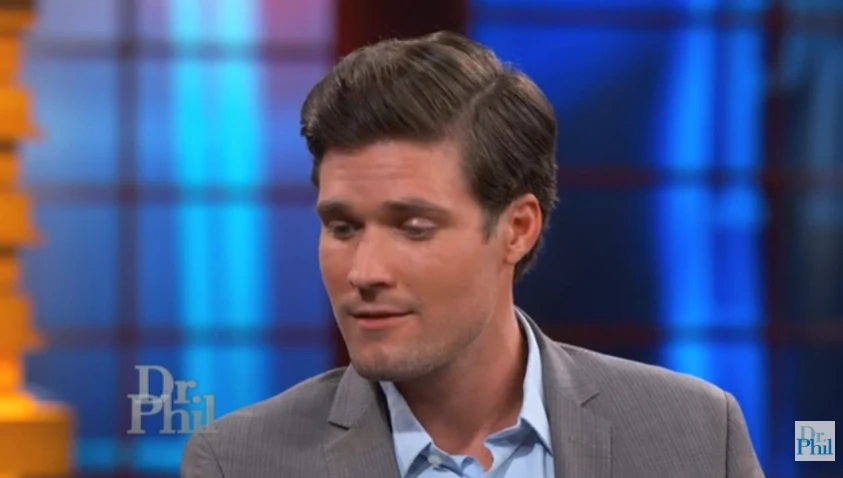
This quote shows that Riley’s claim is not only about a writing credit. He has built a whole explanation around destiny, timing, and perception. That makes the belief harder to challenge because it is not only factual to him. It is philosophical and emotional.
“Taylor Swift and I Are Soulmates”
The emotional center of Riley’s belief appears when he says, “I do believe that Taylor Swift and I are soulmates,” adding, “I love her with the kind of love that you would want forever and always.”
This is where the conversation becomes sensitive. Dr. Phil does not mock him. Instead, he keeps bringing the focus back to reality. Strong feelings may feel meaningful, but they do not prove a personal relationship, a songwriting credit, or mutual connection.
Dr. Phil Warns Riley About Losing His Future to Unproven Claims
The segment becomes even more revealing when Dr. Phil asks about another song, “Kryptonite.” Riley suggests he feels connected to that song too. He says, “We could go over a list of a hundred different songs that I feel that I have written.”
That line changes the situation from one unusual claim into a larger pattern. Dr. Phil sees the danger: if Riley spends his life chasing credit for things he cannot prove, he may lose the chance to build something real of his own.
“You Feel Like You Wrote Them”
Dr. Phil carefully repeats the wording: “You say you feel like you wrote them.” That difference matters.
Feeling connected to a song is not the same as writing it. Many people feel that songs describe their lives or emotions. But authorship requires evidence, process, documentation, collaboration, and credit. Dr. Phil is trying to separate emotional identification from real-world proof.
Other Writers Are Listed and Paid
When discussing “Kryptonite,” Dr. Phil says it was written by Matt Roberts, Brad Arnold, and Todd Harrell. He points out that they “feel like they wrote it” and that they receive the checks connected to the song.
The point is not only about money. It is about reality. In the professional world, authorship is not decided by belief alone. It is supported by records, agreements, and actual participation.
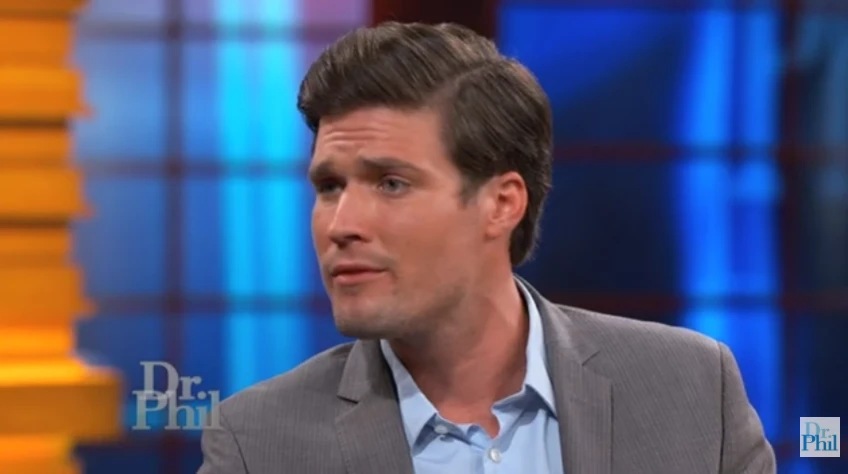
“You’re Cheating Yourself”
Dr. Phil’s most powerful line comes near the end: “You’re cheating yourself if you waste your time and energy on things that you didn’t do instead of focus on things you could actually do.”
This is the true verdict of the clip. Dr. Phil is not simply trying to prove Riley wrong. He is trying to redirect him toward a future that is still available.
Riley Needs Support, But He Also Needs Reality
The fairest verdict is that Riley’s feelings may be real to him, but the claims do not appear supported by the evidence presented in the clip. He is not listed in the credits. Dr. Phil says Taylor Swift denied knowing or working with him. Riley himself admits that “some things aren’t adding up.”
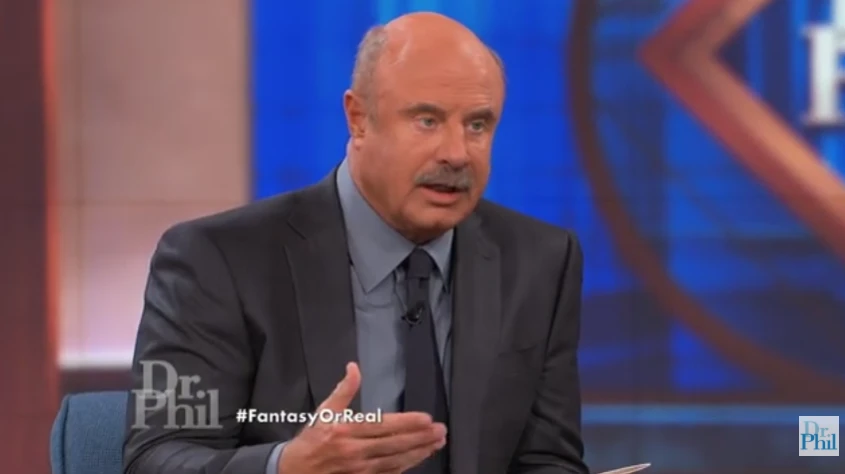
That combination makes the conclusion clear: Riley needs help grounding his beliefs before they take more time, energy, and hope away from his real life.
Belief Cannot Replace Evidence
Riley repeatedly says he believes he wrote the song. But belief alone cannot establish authorship.
This is the central lesson. A person can feel strongly connected to an idea, an artist, or a moment, but the outside world still requires proof. Without proof, the belief can become a trap.
Dr. Phil’s Approach Is Firm, Not Cruel
Dr. Phil stays direct but practical. He does not attack Riley’s character. He attacks the logic of spending life energy on claims that do not match the available records.
That distinction matters. The goal is not humiliation. The goal is redirection.
The Future Needs More Energy Than the Fantasy
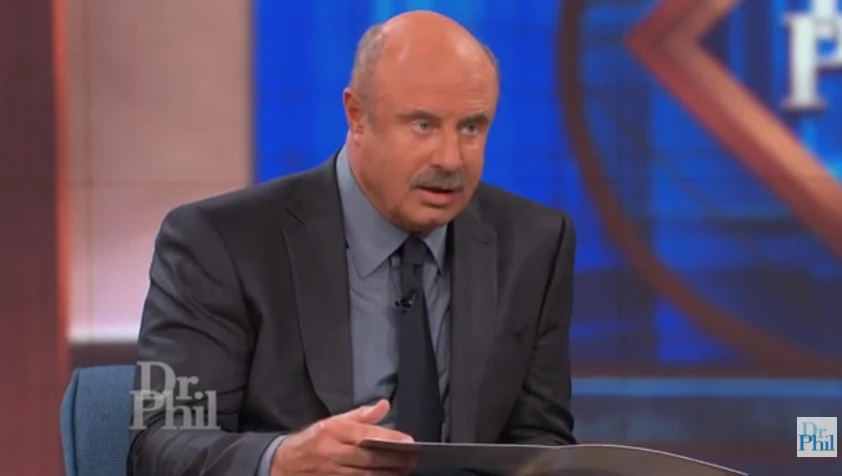
The biggest lesson from this segment is that imagination can inspire, but it can also consume. If Riley wants a creative future, he needs to focus on what he can actually write, build, prove, and share.
The final judgment is clear: Riley may feel deeply connected to Taylor Swift and certain songs, but the evidence in the conversation does not support his claims. Dr. Phil’s warning is the real takeaway: stop chasing credit for a past that cannot be proven, and start using that same energy to create a future that can.