When the Pursuit of Online Fame Begins to Redefine Identity
A mother says her talented 20-year-old daughter abandoned college and changed her lifestyle to pursue online fame and a rap career. Dr. Phil explores identity, social media influence, family conflict, and the challenge of balancing personal dreams with long-term stability.
Many young adults dream of building successful careers through music and social media. For some, those ambitions become a source of creativity and motivation. For others, however, the pursuit of internet recognition can create conflict with family, education, and long-term goals. In this Dr. Phil episode, a mother watches her once high-achieving daughter walk away from college, adopt a new public identity, and focus entirely on becoming a viral rapper. While the daughter insists she is finally living authentically, her mother fears she is watching years of potential disappear. The conversation explores ambition, identity, family expectations, and the difficult balance between chasing dreams and protecting one’s future.
A Mother Watches Her Daughter Change
The episode opens with a mother’s emotional description of how dramatically her daughter’s life has changed. She introduces her by saying, “My beautiful, smart, 20-year-old daughter is obsessed about becoming a famous viral star.”
Her concern is not based on a single decision. Instead, she says, “For the last year I’ve been watching my daughter’s life unravel right before my eyes.”
From the mother’s perspective, the transformation happened surprisingly quickly. A daughter she once viewed as disciplined, ambitious, and academically successful now seems entirely focused on internet fame and a music career.

The daughter, however, describes the situation very differently. She introduces herself confidently, saying, “I’m a young girl from the trenches,” making it clear that she believes she is expressing her true identity rather than losing it.
These two opening viewpoints establish the central conflict. The mother believes she is witnessing decline. The daughter believes she is discovering herself.
From Straight-A Student to New Dreams
The mother’s memories of her daughter paint a picture of exceptional achievement.
She recalls, “My daughter Chanti was wonderful. She did really well in school. She got all straight A’s.”
According to her mother, Chanti collected medals and trophies and was known for her determination.
She even had a clear career goal. Her mother explains that she “had aspirations to be a marine biologist.”
Everything seemed to suggest a promising academic future.

The daughter also remembers that period positively, explaining that during her senior year of high school she “performed at the Apollo Theater.”
Winning that competition became an important milestone because it earned her a four-year college scholarship.
To her family, the scholarship represented much more than free education. Her mother remembers thinking, “We finally get to get her out of the neighborhood.”
The scholarship symbolized opportunity, stability, and the possibility of building a very different future.
Why She Walked Away From College
Despite receiving that opportunity, Chanti eventually made a decision that shocked her family.
She explains simply, “After being in college, it just wasn’t for me.”
Her mother says, “She decided that she wanted to drop out of school.”
This moment represents the first major divide between mother and daughter.
For the mother, leaving college meant walking away from years of hard work and opportunity.

For Chanti, staying in school meant continuing down a path that no longer matched her ambitions.
Neither perspective is entirely unusual. Many young adults discover that their interests change after entering college. However, leaving a scholarship behind naturally creates understandable concern for parents who sacrificed to help create that opportunity.
The conflict is therefore not simply about education. It is about two very different definitions of success.
A New Identity Replaces the Old One
The mother’s concern extends beyond education.
She says, “Everything about my daughter has changed.”
One of the most symbolic changes is her daughter’s new stage name.
According to her mother, “She’s even changed her name. She goes from Chanti to Tellie.”
For the daughter, changing her public identity appears connected to her music career.

For the mother, however, the new name represents something deeper. She feels as though her daughter is leaving behind the person she once knew.
Parents often attach emotional meaning to names because they symbolize family history and identity. Artists, meanwhile, frequently adopt stage names to create a public image that reflects their creative goals.
Neither perspective is necessarily wrong, but they often collide when family expectations and artistic identity move in different directions.
When Generations Define Success Differently
The mother does not hide her frustration.
She openly criticizes her daughter’s music and public image, saying she dislikes the direction her life has taken.
She describes her daughter as trying to present herself as someone very different from the person she remembers raising.
Her comments reveal more than simple criticism. They reflect fear.
She worries that years of academic success are being replaced by decisions she believes could limit future opportunities.
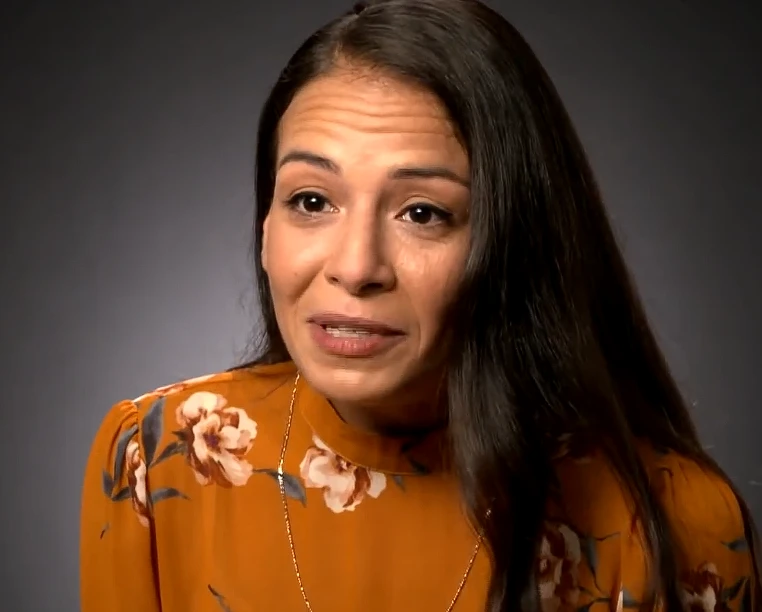
Meanwhile, Chanti likely views her music career as an opportunity rather than a risk.
This difference reflects a broader cultural conversation. Older generations often place greater emphasis on education and stable careers. Younger generations increasingly see social media, music, entrepreneurship, and content creation as legitimate career paths.
Neither vision guarantees success. Both require discipline, sacrifice, and realistic planning.
The Forehead Tattoo That Intensified Family Conflict
The situation becomes even more emotional when the mother describes one recent decision.
She says, “A few weeks ago my daughter went and did the unbelievable.”
She explains that her daughter got a tattoo on her forehead containing an offensive phrase.
The mother’s reaction is immediate.
She says, “I was completely freaked out. I’m still freaked out.”

Visible tattoos have become increasingly common, especially within parts of the music industry. However, facial tattoos continue to generate strong reactions because they often affect first impressions in professional and social settings.
For the mother, the tattoo symbolizes impulsive decision-making rather than artistic expression.
She says, “I think my daughter is way too smart for these stupid decisions.”
That sentence is important because it reveals she has not stopped believing in her daughter’s intelligence. Instead, she believes that intelligence is not being used wisely.
The Pressure of Becoming Viral
Another major theme running through the segment is the influence of internet culture.
The mother repeatedly refers to her daughter’s desire to become a “viral star.”
Unlike traditional music careers, social media often rewards attention almost immediately.
The challenge is that viral success can be unpredictable.

Many creators spend years building audiences before achieving financial stability. Others experience brief popularity that fades quickly.
For parents, this uncertainty often creates understandable concern.
They are not necessarily opposed to creativity itself. Instead, they worry about abandoning education or employment before a sustainable career has actually developed.
Dr. Phil frequently explores this balance in similar conversations: dreams deserve respect, but dreams also require realistic planning.
Identity Versus Image
One of the most interesting questions raised by the episode is whether Chanti is creating an image or revealing her authentic self.
Her mother believes the personality she now presents is artificial.
Chanti appears to believe exactly the opposite.
Many artists create stage personas that amplify certain aspects of their personalities. That does not necessarily mean the identity is fake.

However, the challenge comes when the public image begins affecting family relationships, education, or long-term opportunities.
Finding the balance between authentic self-expression and responsible decision-making is one of the central challenges facing many young entertainers today.
Dr. Phil’s Broader Message
Although the disagreement centers on music and social media, the deeper conversation is about communication.
The mother fears losing the daughter she remembers.
The daughter wants recognition for the woman she believes she has become.
Rather than dismissing either perspective, Dr. Phil encourages families to separate dreams from impulsive decisions.

Creative careers are possible, but they benefit from preparation, discipline, education, and realistic expectations.
Likewise, parents may need to recognize that success today can look very different from previous generations.
Situation Judgment
The mother’s concerns appear rooted in genuine love rather than opposition to music itself. She remembers a daughter who excelled academically, earned scholarships, and appeared to have numerous opportunities ahead of her.
At the same time, Chanti is now an adult with the right to choose her own path. Pursuing music or social media is not inherently irresponsible. The real question is whether those ambitions are supported by planning, consistent effort, and realistic expectations.
The greatest challenge facing this family is not deciding whether music or college is better. It is rebuilding communication so that disagreement does not become permanent separation.

Final Lesson
This Dr. Phil segment illustrates how quickly different generations can disagree about success, identity, and the future.
Parents often see education as protection. Young adults may see creativity as freedom. Both perspectives contain valuable truths.
The healthiest path rarely requires choosing only one dream. Many successful artists continue learning, building professional skills, and creating backup plans while pursuing creative careers.
The most important lesson is that ambition should expand opportunities rather than eliminate them. Chasing a dream does not require abandoning every other path forward.

In the end, the conversation reminds both parents and young adults that lasting success is built not only on talent or determination, but also on communication, thoughtful decisions, and the willingness to keep future possibilities open while pursuing today’s ambitions.