When Custody Disputes, Trust, and Children’s Well-Being Become the Central Focus
Dr. Phil speaks with a mother in a custody dispute about the importance of consistent statements, careful communication, and protecting children from adult conflict. The segment explores accountability, emotional pressure, and why children should never become the center of a battle between parents.
Custody disputes can become deeply emotional when parents disagree about what happened, what was said, and what is best for the children. In this Dr. Phil segment, the discussion focuses on a mother accused of continuing to repeat serious claims about her ex after new information came forward. She denies doing so, but Dr. Phil warns her that inconsistent statements could create major problems, especially if other people provide sworn statements. More importantly, he becomes concerned about how the children are being spoken about and questioned. The conversation becomes a larger lesson about truth, accountability, emotional pressure, and why children should never feel responsible for proving loyalty to either parent.
A Direct Question About What Was Said After New Information Came Forward
Dr. Phil begins with a direct question. He asks whether the mother is still telling people serious claims about her ex involving their daughters. She immediately responds, “I have not.”
The key point in this opening is timing. Dr. Phil is not only asking what she believed at the beginning. He is asking what she continued saying after new information came forward. The mother explains that her oldest daughter eventually told her, “No, Daddy never touch me.” She says that was the answer she had been waiting for because earlier, in her view, the child had said something different.
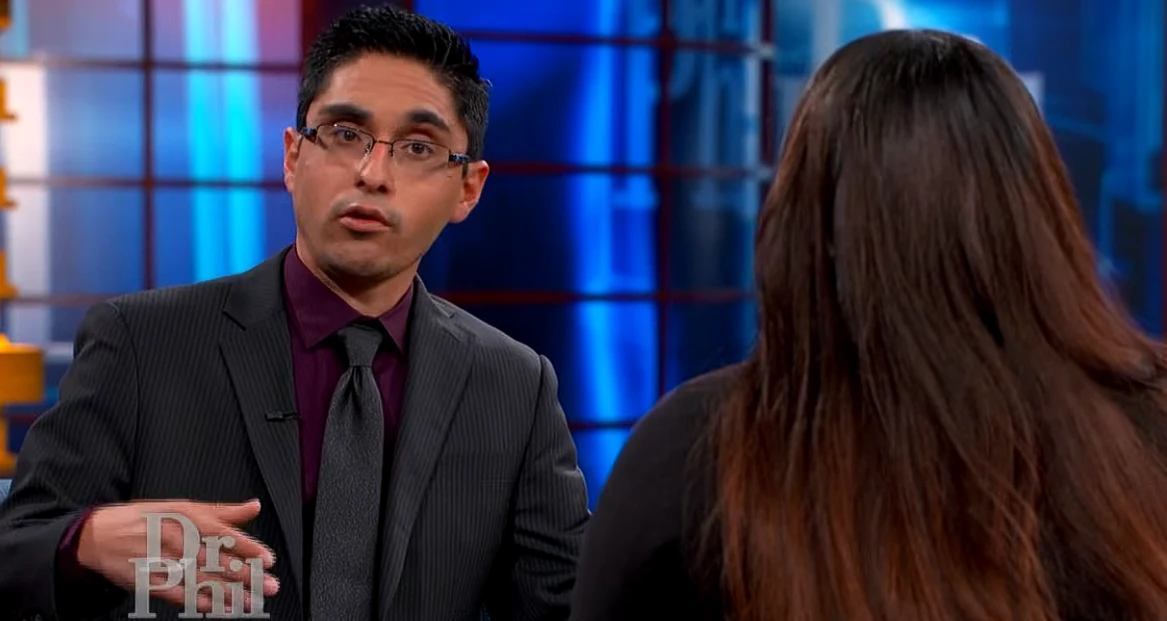
This is where the conversation becomes very important. In any custody battle, a parent may react strongly when they believe a child has shared something alarming. But once new information appears, the adult must be careful about what is repeated afterward.
Dr. Phil keeps returning to this point because the issue is no longer just what was originally believed. The issue is whether the mother adjusted her words after the situation changed.
Dr. Phil Presses for Consistency
The mother continues to deny repeating those claims. Dr. Phil asks again whether, since that time, she has told people the same serious things about her ex. She says, “I have not.”
Dr. Phil then explains why he is asking so carefully. He says several people have come forward saying they heard different things. According to him, some people claimed she continued making statements after the previous show aired.
He tells her, “It’s really very important to me that you think really hard and you really tell me the truth here.”
That line is the center of the segment. Dr. Phil is not asking for a quick denial. He is asking for careful honesty because the situation may move beyond a conversation on television.
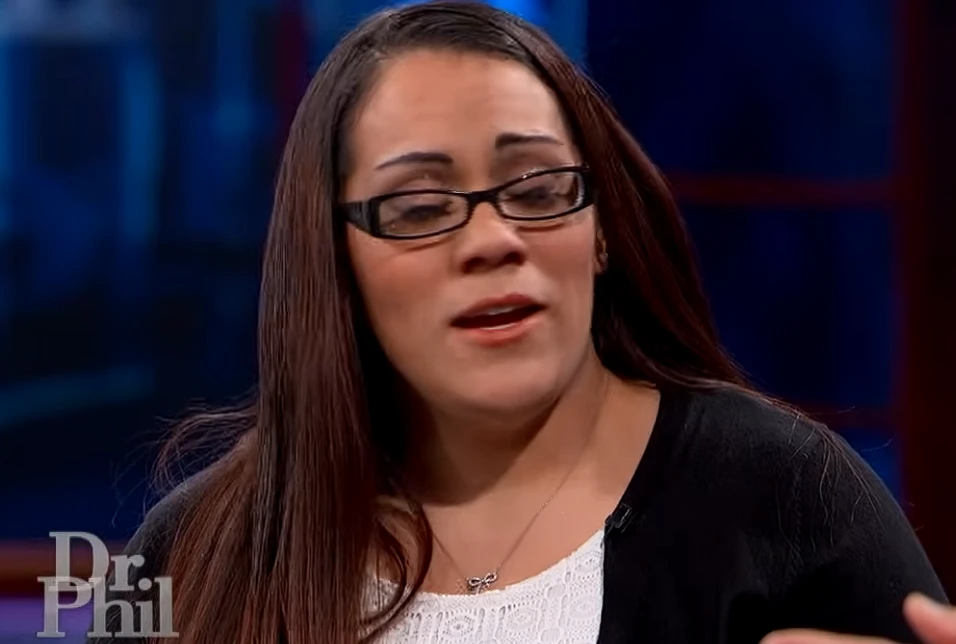
He warns her that if there is a forensic investigation and people provide affidavits, any inconsistency could hurt her credibility. He says, “I beg of you, think about what you say.”
The message is clear: in a custody case, words matter. A parent cannot say one version to one person, another version to someone else, and expect the situation to remain stable.
Why Inconsistent Statements Create a Bigger Problem
Dr. Phil tells her, “You cannot just continue to say one thing to one person and something else to somebody else.” This is not only about one parent defending herself. It is about the entire family system.
When adults give conflicting versions of events, children may become confused. Other relatives may take sides. Schools, courts, and professionals may receive mixed information. Over time, the conflict becomes harder to resolve because nobody knows which version to trust.
The mother says her ex makes it seem like she talks to “the whole world.” She pushes back, saying she does not even talk to her neighbor anymore. From her perspective, the number of people involved may be exaggerated.

But Dr. Phil’s concern is not only about how many people heard the claims. His concern is whether any unsupported claim continued after the daughters gave different information.
That distinction matters. A single repeated statement can create serious consequences, especially when children are involved.
The Children Become the Most Important Focus
As the conversation continues, Dr. Phil becomes less focused on the adults and more focused on the way the children are being discussed.
The mother says the girls “made themselves out to be victims.” She also says, “It scares me a little bit what my girls are capable of.”
This is the moment where Dr. Phil becomes visibly concerned. He says that when he hears statements like that, it tells him she may be seeing the girls “as a threat.”
That observation is important because children in custody disputes should not become opponents. They should not be treated as people who are ruining someone’s name or threatening an adult’s position.
The mother says she is “just scared.” But even if her fear is real, the way that fear is expressed can affect the children deeply.
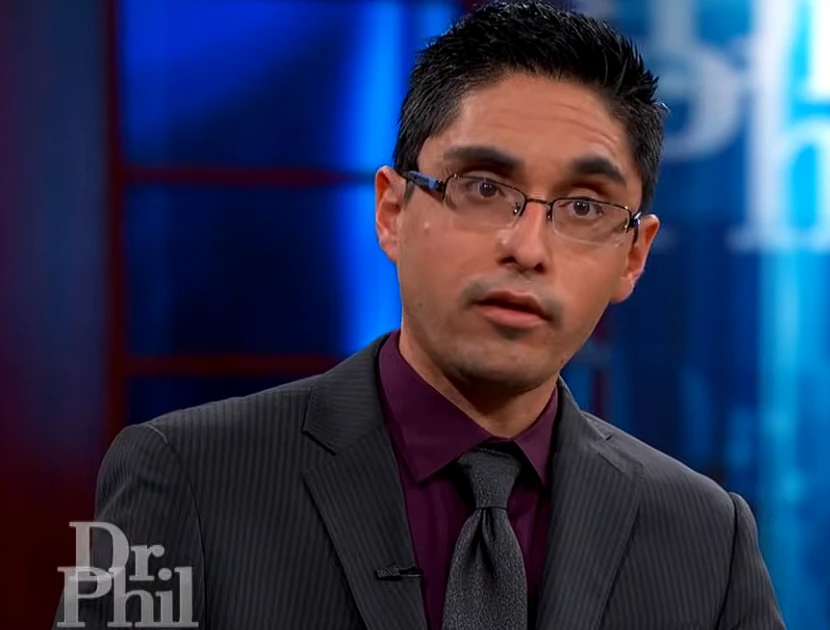
A child caught between parents may already feel pressure, guilt, confusion, and fear. If adults begin talking about the child as dangerous, manipulative, or responsible for the family crisis, the emotional burden becomes even heavier.
The Problem With Linking Truth to Love
Another serious point comes up when the adults discuss what was said to the children.
The mother says that she and another adult told the girls, “If you loved us… you would not be lying.” Another version of the same idea appears when someone says, “If you love your daddy, you’ll tell the truth.”
This type of statement may be meant to encourage honesty, but it can also place emotional pressure on children.
A child should not feel that love depends on giving the answer an adult wants. Truth should not be tied to loyalty. If a child believes one answer proves love and another answer causes rejection, the child may feel trapped.
This is why Dr. Phil’s concern is bigger than one allegation. He is looking at the emotional environment around the children.
Children need calm, neutral, safe conversations. They should not be placed in the middle of adult conflict or made to feel responsible for what happens to either parent.
Accountability Does Not Mean Ignoring Fear
It is important to understand that Dr. Phil is not saying parents should ignore concerns. If a parent hears something troubling from a child, the responsible response is to seek appropriate help through professionals and proper channels.
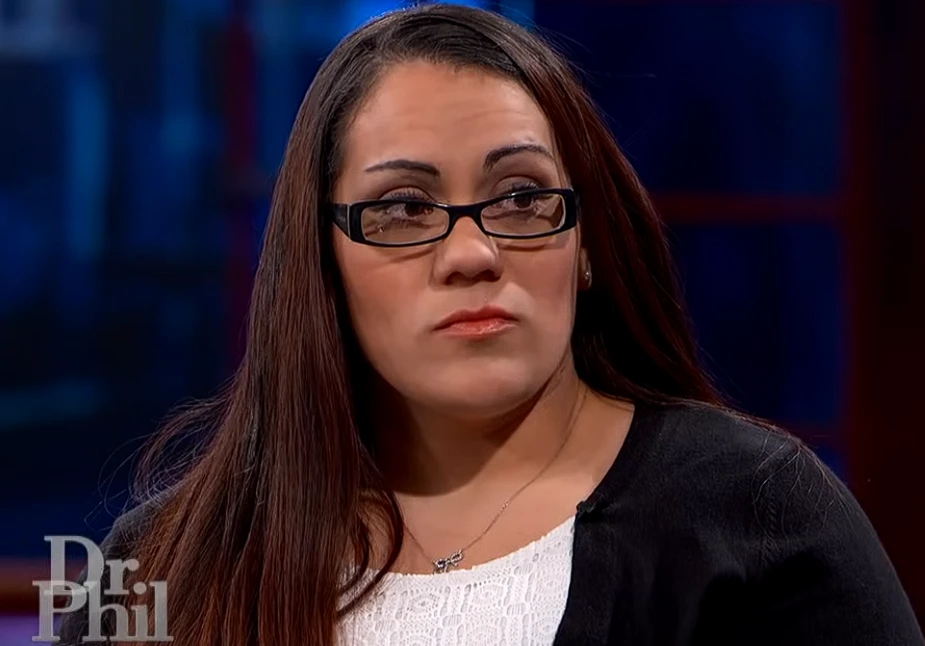
But once a situation is being reviewed, the parent must be careful. Fear does not justify careless communication. Concern does not justify repeating claims that may no longer be supported.
The mother appears to feel defensive because she believes she was trying to protect her children. That may be true from her perspective.
However, Dr. Phil is asking her to recognize that protection also requires accuracy. It requires restraint. It requires a willingness to update one’s words when new information changes the picture.
This balance is difficult but necessary. A parent can be protective and still accountable. A parent can be scared and still responsible for what they say.
Dr. Phil’s Warning About the Legal Process
Dr. Phil mentions that people may file affidavits with the court. This is a major part of his warning.
He is telling the mother that this is not just a television disagreement. If people provide sworn statements that contradict what she says, the issue could affect how professionals view her credibility.
He warns that if she lies in the face of those affidavits, “it’s going to look terrible.”
This does not mean Dr. Phil is deciding the entire custody issue in that moment. Instead, he is emphasizing that credibility matters in any official process.
In custody disputes, parents often focus on proving the other person wrong. But courts and professionals also look at how each parent behaves, communicates, and responds to new information.

A parent who wants to be trusted must show consistency, honesty, and emotional control.
Why the Children’s Emotional Safety Comes First
The strongest lesson from the segment is that children should never become tools in an adult conflict.
They should not be pressured to prove love. They should not be described as threats. They should not be placed in conversations where they feel responsible for whether one parent is believed or rejected.
Dr. Phil’s concern is that the adults may be so focused on defending their own positions that the children’s emotional experience is being overlooked.
Children in custody battles need stability. They need adults who can separate fear from fact. They need calm support, not repeated emotional questioning.
Even when the adults disagree, the children should feel protected from the conflict rather than pulled deeper into it.
Situation Judgment
The central issue in this segment is not only whether the mother made certain statements. The bigger issue is how serious claims are handled after new information appears.
Dr. Phil’s strongest concern is consistency. If the mother says one thing on stage but other people later provide statements suggesting something different, her credibility may be damaged.
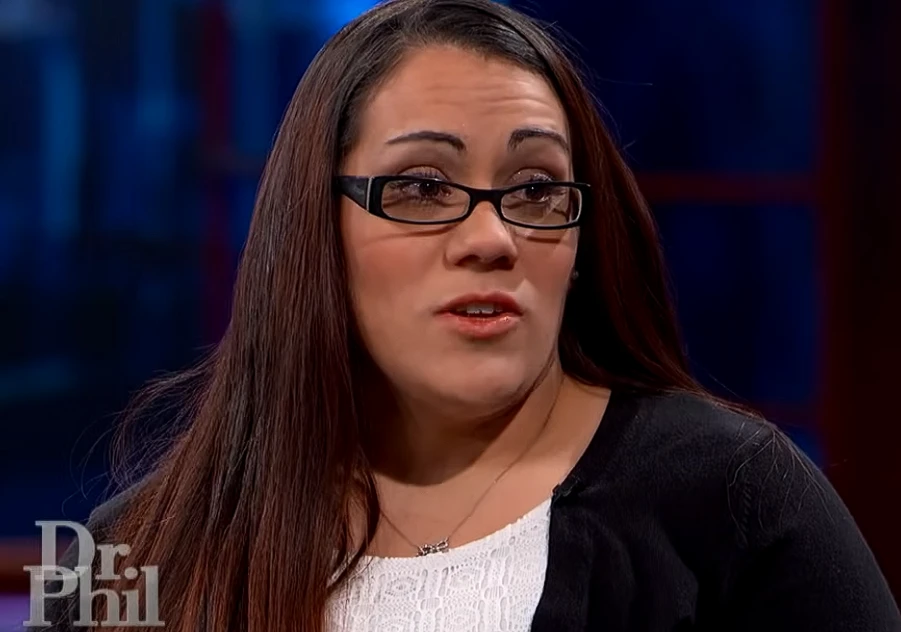
At the same time, the way the children are discussed raises another concern. Phrases like “what my girls are capable of” and “if you loved us” suggest the children may be carrying emotional pressure that no child should have to carry.
The mother may believe she acted out of concern, but concern must be paired with careful communication. In a custody battle, every word can influence the emotional safety of the children and the trust professionals place in the adults.
Final Lesson
This Dr. Phil segment shows how quickly a custody dispute can become more damaging when adults are not careful with their words.
Serious concerns must always be handled responsibly. That means seeking help, listening carefully, using appropriate channels, and being willing to update the story when new facts emerge.
The lesson is not that parents should stay silent when they are worried. The lesson is that parents must be accurate, consistent, and careful because children’s lives are deeply affected by adult communication.
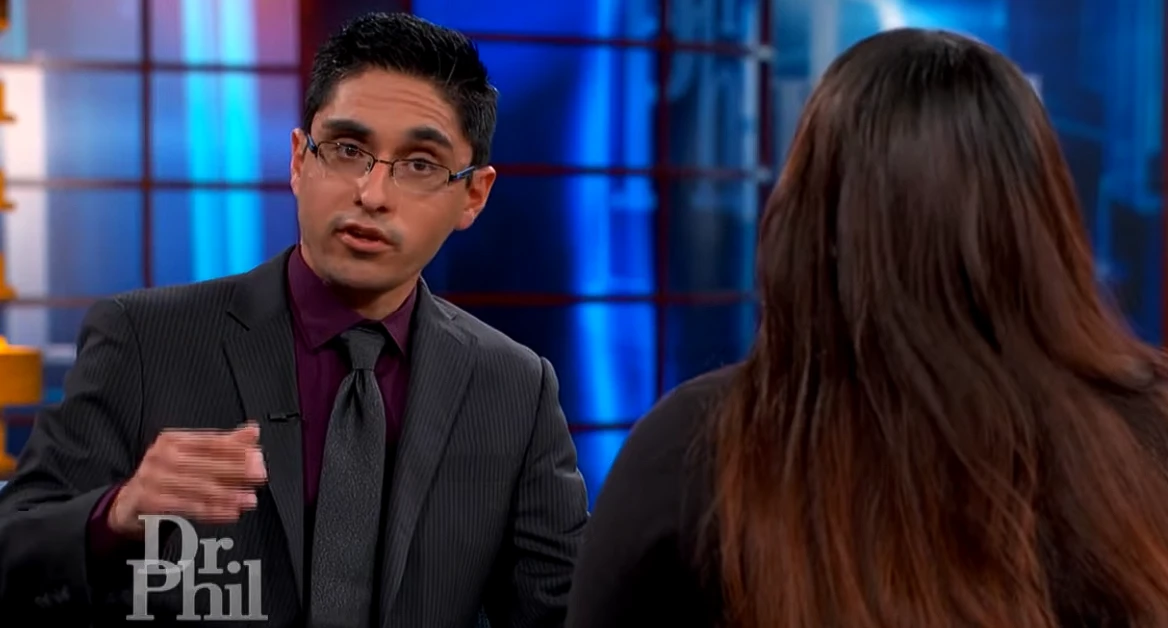
Dr. Phil’s warning is ultimately about accountability. If a parent wants help, trust, and progress, the truth must remain consistent. If children are involved, their emotional well-being must come before the need to win an argument.
In the end, the most important question is not which adult sounds more convincing. The most important question is whether the children are being protected from confusion, pressure, and conflict. That is where true parental responsibility begins.