When a Parent Wants a Fresh Start but an Adult Child Still Carries Old Pain
A 19-year-old tells Dr. Phil she felt like an afterthought after learning about her father’s engagement on Facebook and receiving a late invitation to be part of his wedding. The discussion explores family wounds, accountability, blended-family tension, and why reconciliation requires more than one gesture.
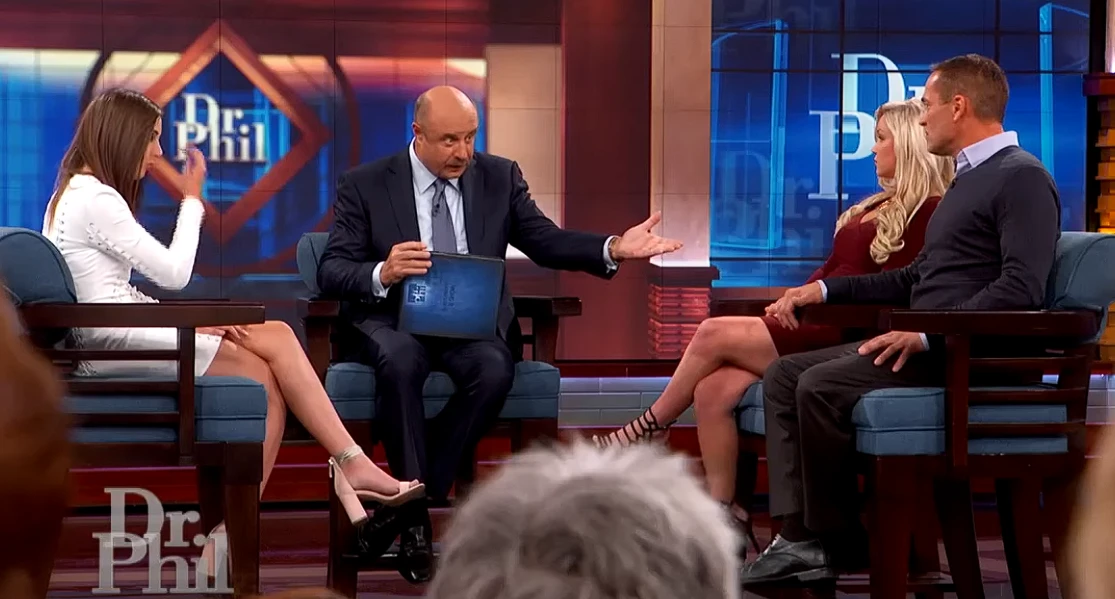
A wedding can symbolize a fresh start, but for a family with unresolved pain, it can also reopen old wounds. In this Dr. Phil segment, Brie says she learned about her father’s engagement on Facebook and was only invited to be part of the wedding shortly before appearing on the show. Her father admits he failed to stand up for her during a previous wedding and says he does not want to repeat the same mistake. But for Brie, the issue is not only the wedding. It is years of feeling overlooked, included too late, and expected to “meet in the middle” before the deeper hurt has been repaired.
A Wedding Invitation That Felt Like an Afterthought
The conversation begins with Dr. Phil asking about the engagement party. The father explains that “the invites were by Facebook” and says he wanted Brie to be involved. But almost immediately, the discussion reveals a major problem: Brie did not feel personally included.
She tells him, “You told me about your wedding two days ago.” That detail matters because timing changes the emotional meaning of an invitation. Being invited early can feel intentional. Being invited at the last minute can feel like someone remembered only because pressure increased.
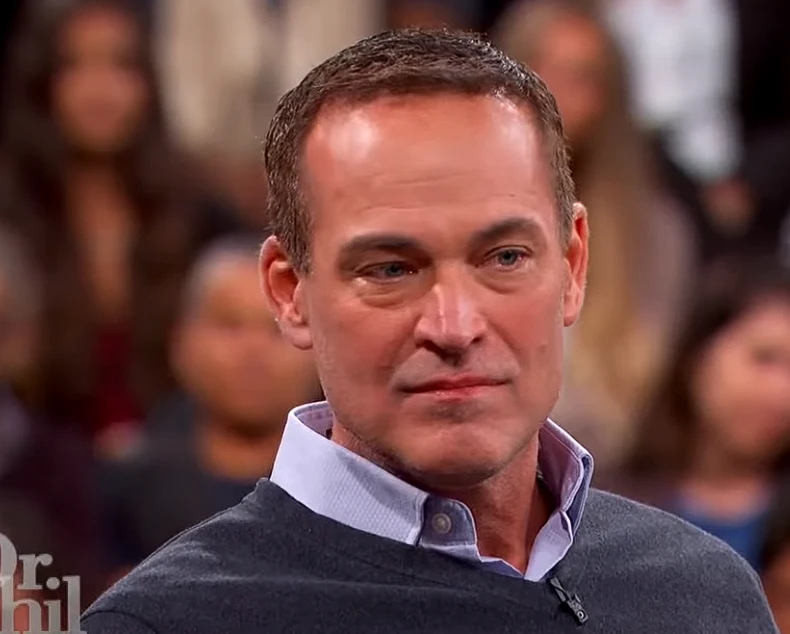
Dr. Phil asks if Brie had just found out about the wedding. She clarifies, “No, he invited me to be in the wedding two days ago.” Then she adds, “I found out about the engagement on Facebook.”
For a daughter, learning about a major family event through social media can feel deeply impersonal. The issue is not only information. It is priority. Brie expected her father to tell her directly, not to discover something so important in the same way a distant acquaintance might.
When asked about being in the ceremony, Brie says it was “kind of a half-ass invite.” That phrase captures her entire emotional reaction. She does not experience the invitation as a loving gesture. She experiences it as incomplete, rushed, and lacking sincerity.
Being Asked Is Not the Same as Feeling Wanted
Dr. Phil tries to clarify the exact offer. He asks whether Brie was invited to be a bridesmaid. The father’s fiancée explains that they had talked about it together, and then she turns to Brie directly: “Do you want to be a bridesmaid in the wedding?”
Brie answers plainly: “Not really.”
That response may sound cold if viewed only in the moment. But the emotional context makes it more understandable. Brie is not rejecting one dress, one ceremony, or one role. She is responding to a history where she feels she has been placed on the outside until someone decides it is convenient to include her.
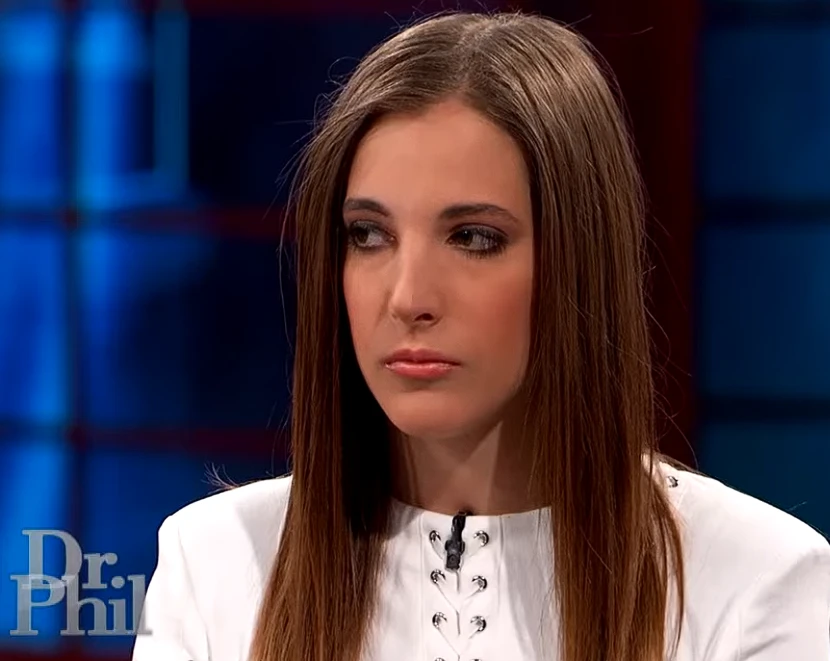
This is a key lesson in family relationships. An invitation can be technically offered and still fail emotionally. A person can be asked to participate and still feel unwanted. The difference lies in timing, tone, history, and whether the invitation feels like a repair or a performance.
For Brie, the offer does not seem to answer the deeper question: Does my father truly want me close, or does he just want the wedding to look complete?
The Fiancée Feels Caught in the Middle
The father’s fiancée responds by saying, “We’ve done things to reach out.” She adds, “I can’t make her meet us in the middle.”
Her frustration is understandable. Entering a family with existing wounds is difficult. A new partner may try to create peace, but she cannot erase years of pain that began before she arrived.
She also says, “This is tough for me because I love these girls and I’m just split in the middle of it.” That line reveals another layer of the conflict. She is not simply defending herself. She is describing the pressure of trying to build a new marriage while also navigating strained relationships with the children.
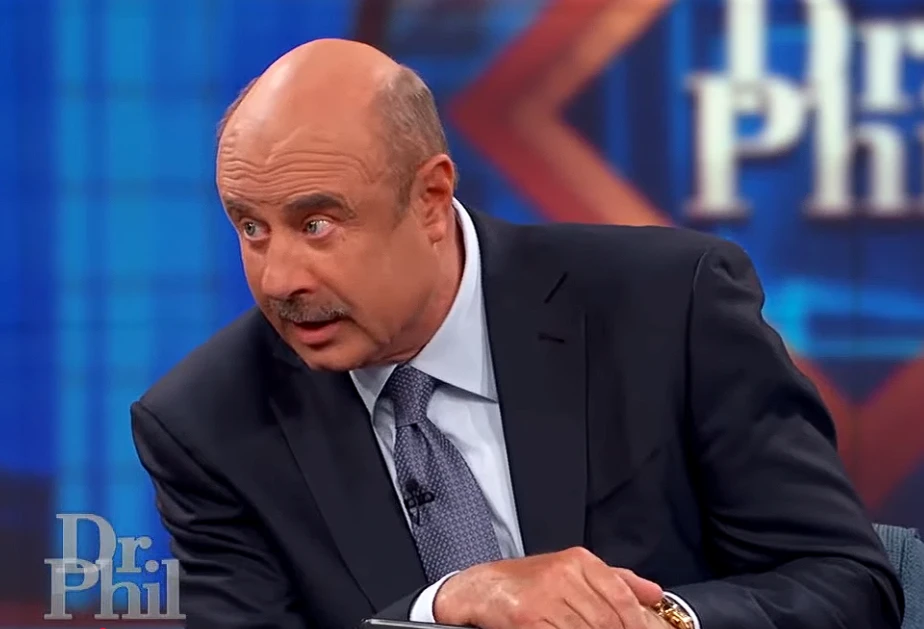
However, “meeting in the middle” is complicated when one side feels the wound was created by adults during childhood. For Brie, meeting halfway may feel unfair if she believes she was the one left out first.
Blended families often struggle here. The new partner may see herself making effort now. The child may still be reacting to pain from years earlier. Both experiences can be real at the same time.
A Father Finally Admits What He Failed to Do
The most important turning point comes when the father stops defending and begins admitting.
He says, “I didn’t have the guts to stick up for Brie with my last wife.” That sentence changes the conversation because it moves from explanation to accountability.
He remembers a previous wedding when Brie was around “14, 15 years old.” At that time, there were “14 bridesmaids and 14 groomsmen,” yet Brie “wasn’t invited to be a bridesmaid.”
This detail explains why the new wedding invitation carries so much emotional weight. The current situation is not happening in isolation. It echoes an earlier moment when Brie was also left out.
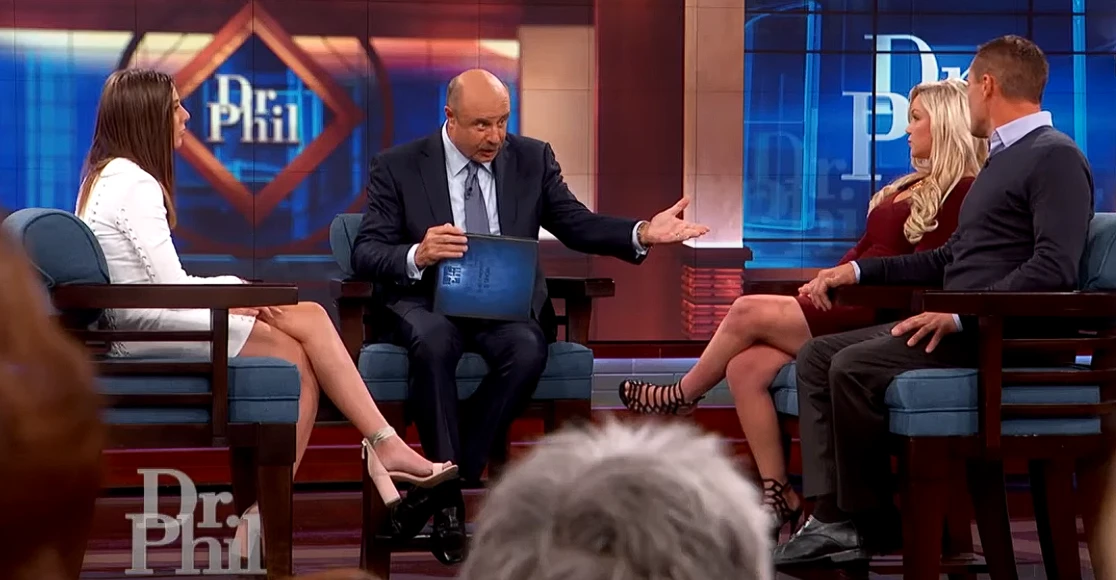
The father admits, “I didn’t have the backbone to do that then.” This is one of the strongest quotes in the segment because it shows regret without blaming Brie. He understands that he should have defended his daughter’s place in the family.
He also says Brie “didn’t even show up for the wedding,” and that it “broke my heart.” But from Brie’s side, not attending may have been her way of protecting herself from an event where she already felt excluded.
Why the New Wedding Reopens the Old Wound
The father says, “I don’t want it happen again.” That line shows he recognizes the pattern. He knows a wedding once became a painful symbol between him and his daughter, and he wants the new wedding to become a repair.
But Dr. Phil immediately responds, “You’re going about it an odd way.”
That short sentence is the heart of Dr. Phil’s analysis. The father may have good intentions, but the method is flawed. A last-minute invitation does not undo years of hurt. A bridesmaid role cannot replace a direct apology. A wedding ceremony cannot fix a relationship that needs consistent care outside the spotlight.
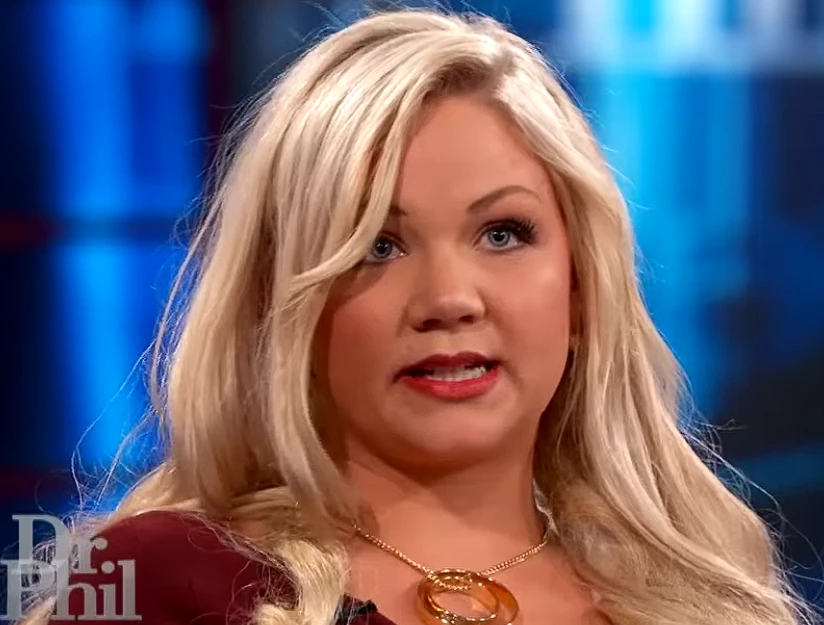
This is where many parents make mistakes when trying to reconnect with adult children. They may offer a major symbolic gesture and expect it to carry emotional power. But adult children often need something quieter and deeper: honesty, consistency, accountability, and time.
Brie is not asking for a role in a ceremony. She is asking to know that her father will choose her clearly, not only when the issue becomes public.
Facebook Became a Symbol of Emotional Distance
The Facebook detail should not be overlooked. The father says the engagement party invitations were sent by Facebook. In modern life, that may sound normal. But for close family members, major news often deserves direct communication.
Brie saying, “I found out about the engagement on Facebook,” suggests she felt grouped with everyone else. She was not treated like a daughter being personally brought into an important family moment. She felt like a viewer.
Social media can spread announcements quickly, but it cannot replace emotional intimacy. A public post can inform people, but it cannot reassure someone who already feels forgotten.
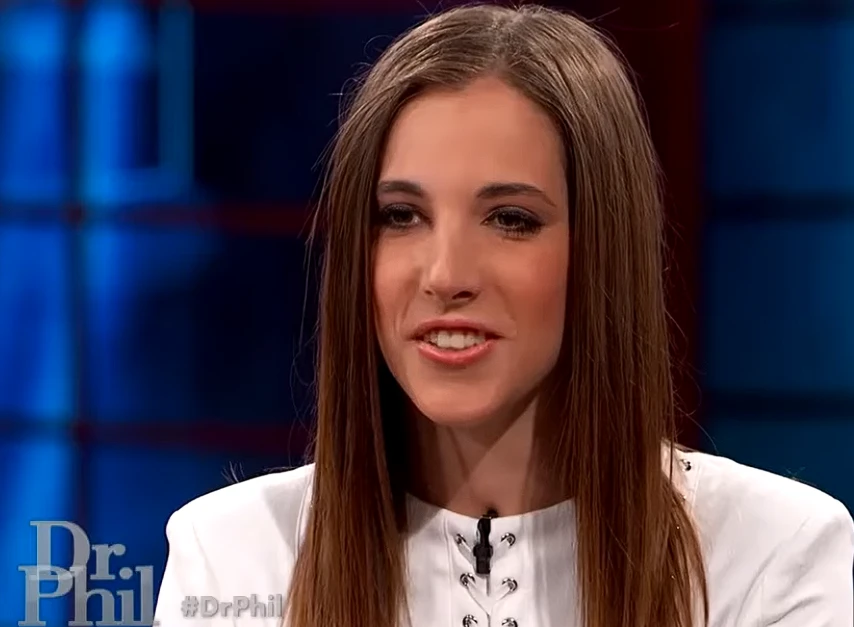
For Brie, the issue is not technology. The issue is what the technology represents: distance, lack of priority, and another moment where she was expected to accept whatever information came her way.
If the father wants to rebuild trust, he cannot rely on public gestures. He needs private conversations that show Brie she matters before the rest of the world is invited to celebrate.
The Pattern of Exclusion Matters More Than One Event
The emotional power of this segment comes from repetition. Brie was not included meaningfully in a previous wedding. Now, years later, she feels included too late in another wedding.
That repeated pattern matters because children often remember not only what happened, but what it meant. To Brie, the earlier wedding may have communicated: you are not important enough to fight for. The new late invitation may communicate: you are important now because the situation looks bad.
Whether that is what the father intends or not, it is how the pattern can feel from the daughter’s perspective.
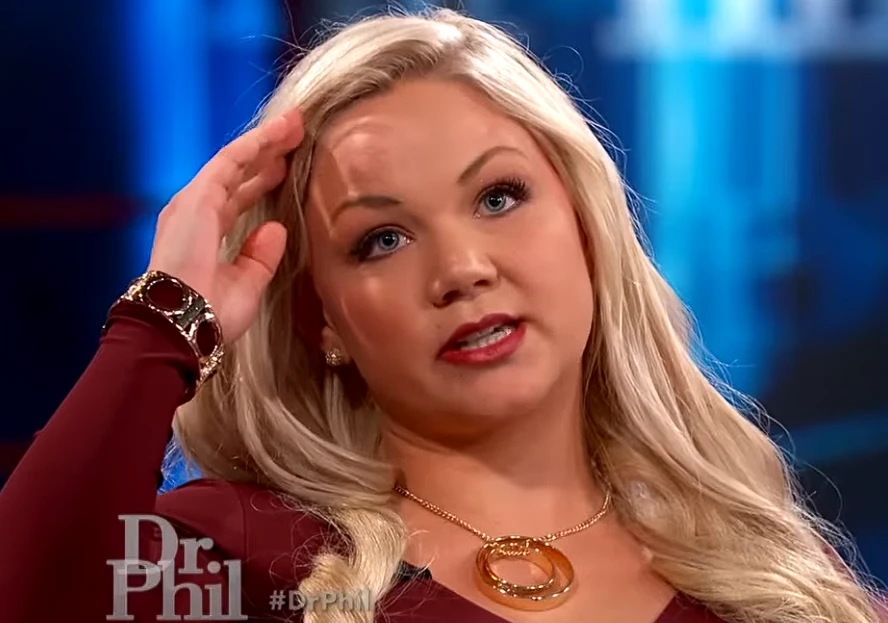
The father’s admission that he lacked the “backbone” to defend her is important, but accountability must be followed by repair. Acknowledging a mistake is the beginning, not the end.
Real repair would require him to ask Brie what she needs emotionally, not only whether she wants to be a bridesmaid.
Dr. Phil’s Bigger Message About Reconciliation
Dr. Phil’s role is not to shame the father, but to point out that his approach is not matching the emotional depth of the problem.
By saying, “You’re going about it an odd way,” Dr. Phil identifies the gap between intention and execution. The father wants closeness. But the way he offers it feels rushed and poorly timed.
Reconciliation cannot be scheduled around a wedding timeline. It cannot be forced because a ceremony is approaching. It must happen at the speed of trust.
Brie’s “not really” answer may be disappointing, but it is honest. She is not pretending to be ready just to make the adults comfortable.
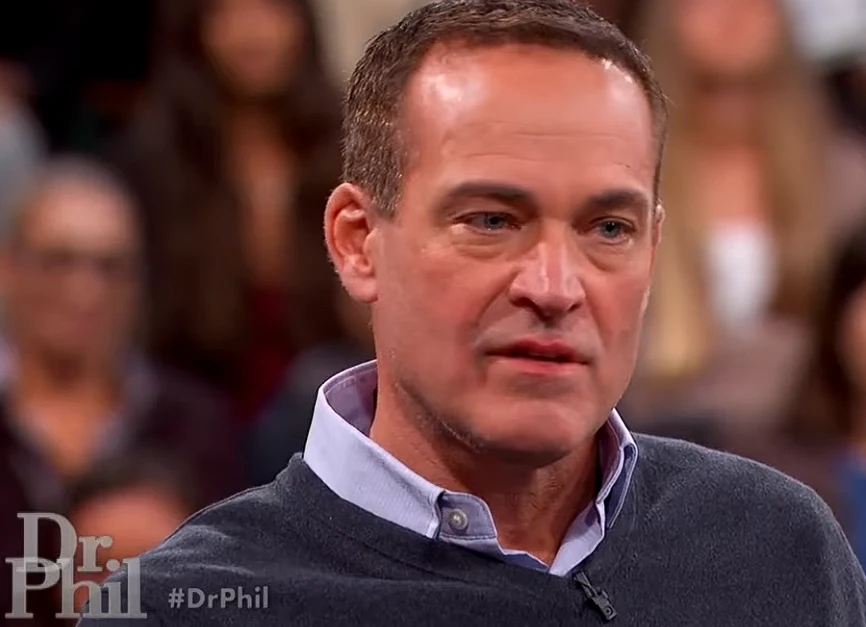
That honesty is valuable. It gives the family a chance to stop focusing only on wedding logistics and start addressing the relationship itself.
Situation Judgment
The father appears sincere in wanting Brie included now. His admission that he failed to stand up for her during a previous wedding shows real self-awareness. He understands that his silence hurt her, and he does not want to repeat the same mistake.
However, Brie’s reaction is also reasonable. A late invitation does not automatically heal an old wound. Learning about the engagement on Facebook and being invited to participate only days before the show naturally made her feel like an afterthought.
The fiancée’s frustration is understandable as well. She may genuinely be trying to connect, but she cannot require Brie to “meet in the middle” before Brie feels that the deeper pain has been acknowledged.
The real issue is not whether Brie becomes a bridesmaid. The real issue is whether her father is willing to rebuild trust outside of the wedding context.
Final Lesson
This Dr. Phil segment shows that family healing cannot depend on one symbolic invitation.
Weddings are emotional milestones, but they can also expose unresolved wounds. For the father, this wedding may represent a chance to do better. For Brie, it may feel like a repeat of an old hurt.
The lesson is that parents cannot repair years of distance with one rushed gesture. They must show consistency, humility, and patience. They must be willing to say, “I failed you before,” without expecting immediate forgiveness.
Brie’s response may seem firm, but it also gives the family clarity. She does not want a surface-level role. She wants a relationship that feels real.
In the end, a daughter does not need to be placed in a wedding party to know she matters. She needs to be chosen, heard, respected, and included long before the invitations go out.