When a Family Receives a Shocking Message That Turns Out to Be Untrue
A former Dr. Phil guest becomes the center of another controversy after messages falsely claim she has died. Dr. Phil examines the emotional impact of false crisis reports, accountability, and the consequences of misleading communication during serious situations.
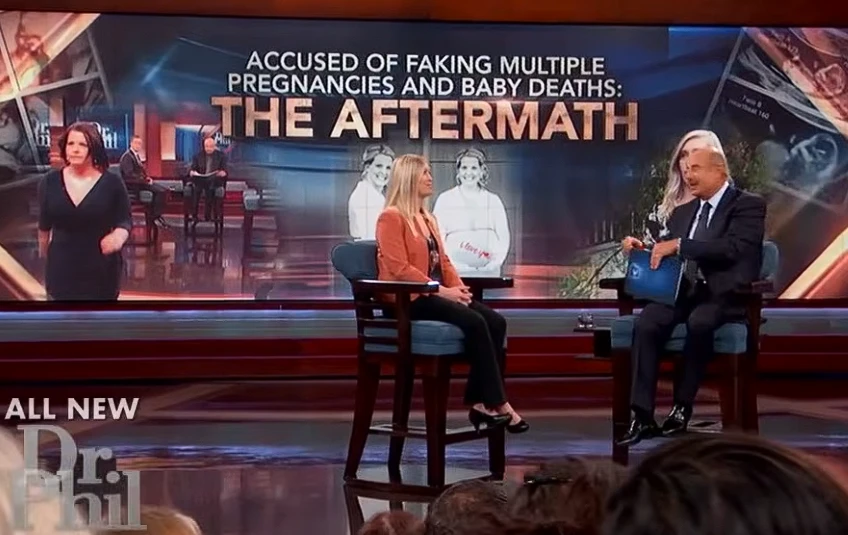
False emergency messages can create confusion, fear, and emotional distress within minutes. In this Dr. Phil segment, staff members, nonprofit volunteers, and family acquaintances receive text messages claiming that a former guest named Amy has died from an overdose and that Dr. Phil’s show is responsible. However, a wellness check soon reveals a very different reality. The episode becomes less about one text message and more about the serious consequences of spreading inaccurate information during moments of crisis, the emotional toll such claims place on others, and why accountability matters whenever emergency situations are involved.
A Disturbing Message Arrives After the Show
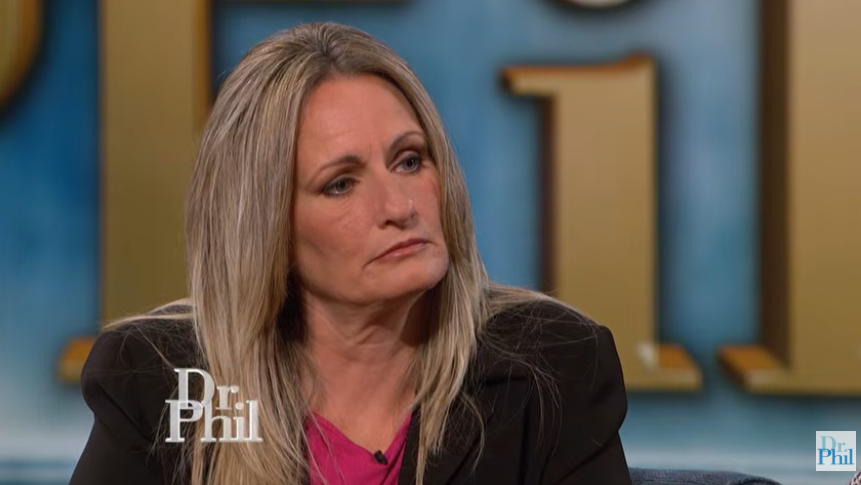
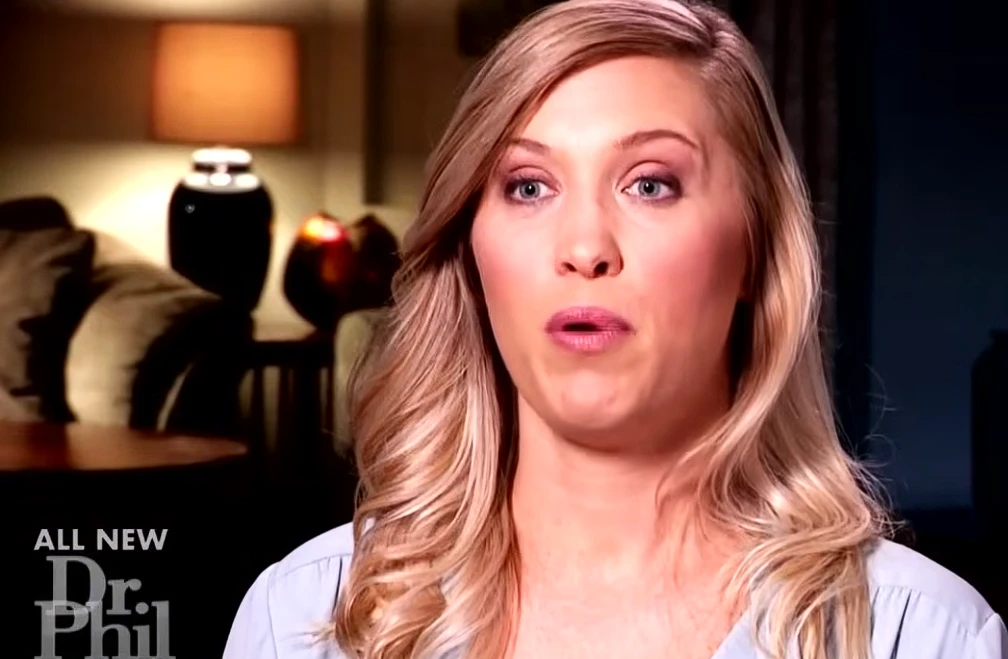
The segment begins with Courtney describing what happened shortly after appearing with Amy on Dr. Phil. She says, “Shortly after Amy and I spoke with Dr. Phil, she allegedly faked her own death.”
Courtney explains that the situation did not surprise her completely because, in her words, Amy had previously “faked her own children’s deaths.” Whether viewers are familiar with the earlier story or not, this statement immediately suggests that the people involved had already experienced a pattern of dramatic claims that later became difficult to verify.
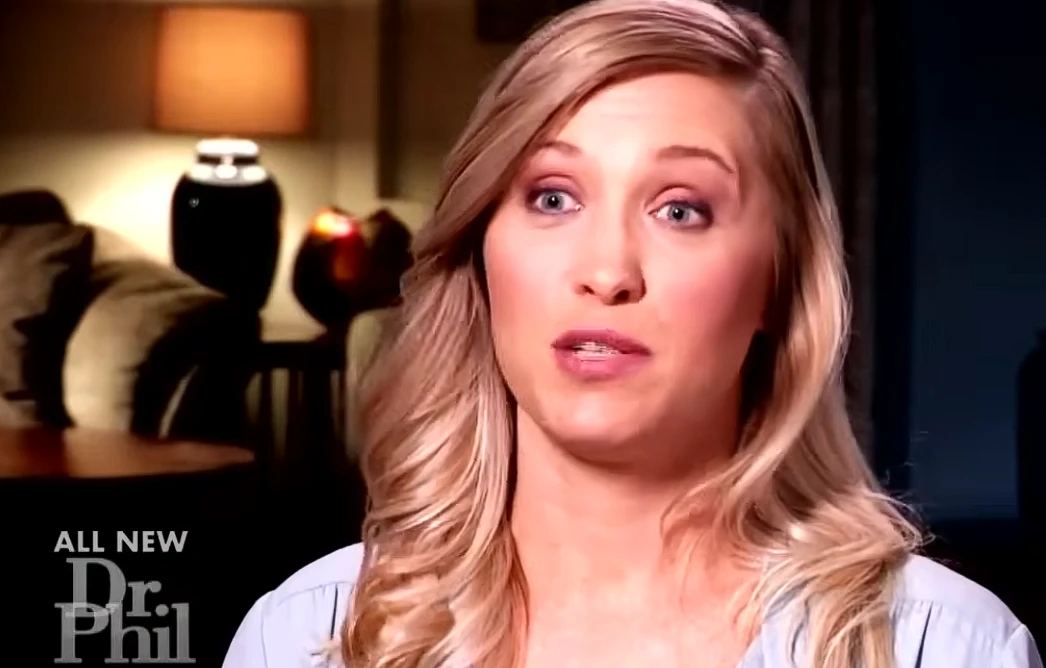
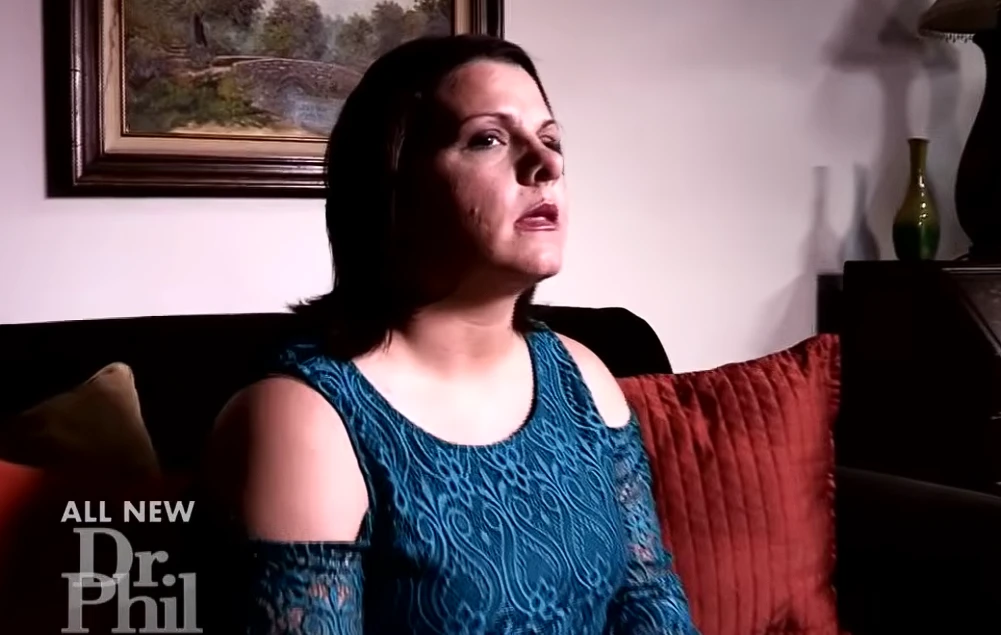
The turning point comes while Courtney is speaking on the phone with David, a member of a nonprofit organization connected to Amy. During the conversation, David receives a text message from Amy’s phone number claiming that she had died.
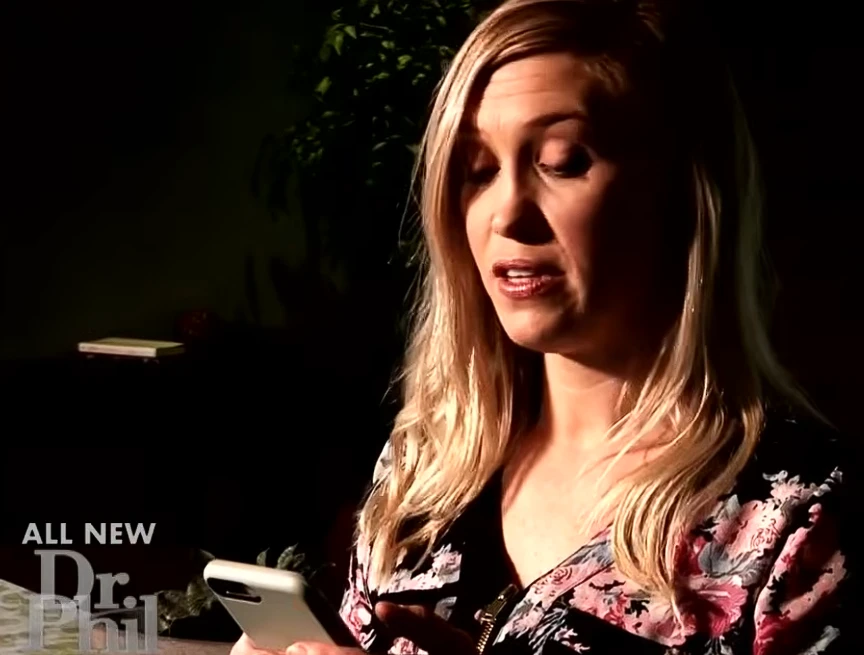
The message reads, “Tonight at 10:37, Amy successfully committed overdose.” It continues by blaming Courtney and the Dr. Phil Show, saying they would be “the reason I have to put Amy in the ground.”
Reading such a message would be emotionally overwhelming for almost anyone. Regardless of who sent it, the wording was designed to create immediate panic and guilt among the recipients.
Why the Message Was Taken Seriously
Although Courtney quickly became suspicious, she explains that the organization involved could not simply ignore the message.
She says, “I didn’t believe this for one minute.” However, because the nonprofit focuses on suicide prevention, its members understood that every report involving a possible loss of life must be treated seriously until verified.
Rather than assuming the message was false, they contacted local law enforcement and requested a wellness check.
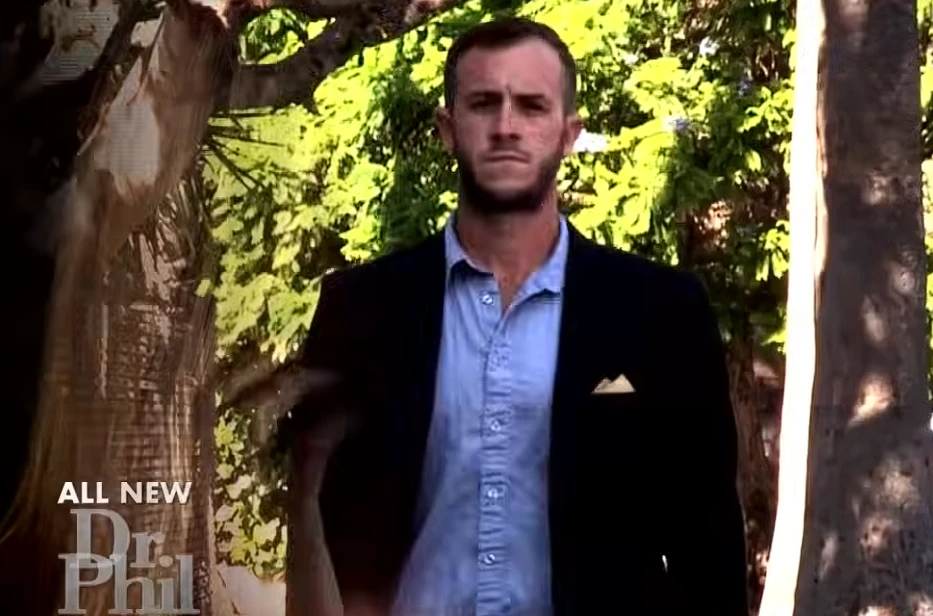
This response highlights an important principle. When information suggests that someone’s life may be in danger, responsible organizations generally verify the situation through appropriate authorities instead of relying on assumptions.
The decision to request a welfare check demonstrates why careful verification is essential. Even if a message appears suspicious, ignoring it entirely could have serious consequences if it later proves accurate.
The Truth Was Completely Different
When officers arrived, they discovered that Amy was alive.
Courtney explains, “They found Amy perfectly alive at her house.”
The wellness check immediately disproved the claim that Amy had died. However, the situation did not end there.
According to Courtney, officers also discovered that Amy had an outstanding warrant in a nearby county and placed her under arrest.
She summarizes the situation by saying, “The drama that revolves around Amy is like a bad made-for-TV movie.”
Although that comparison reflects Courtney’s frustration, it also illustrates how repeated crises can affect the people around someone whose situations frequently involve confusion and conflicting information.
Another Message Reaches Dr. Phil’s Staff
The controversy expanded beyond Courtney and the nonprofit.
Dr. Phil explains that a member of his own staff also received a disturbing message.
The text claimed, “You and your show made Amy try to kill herself tonight.” It continued by saying Amy was “on a respirator because of you” and instructed the staff not to contact the family.
These accusations were serious because they attempted to place responsibility for an alleged tragedy on specific individuals before any facts had been confirmed.
The Emotional Impact on Staff
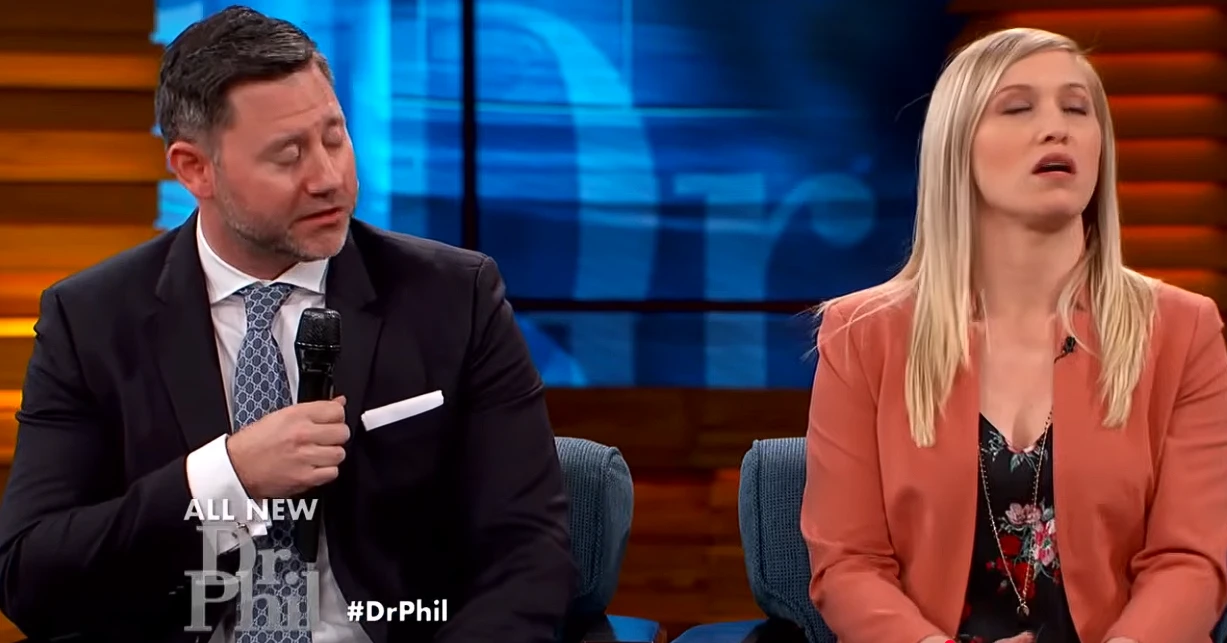
Dr. Phil asks his executive producer what happened after the message arrived.
The producer recalls that the staff member “ran in almost in tears” after reading the text.
This detail is significant because it reminds viewers that alarming messages affect more than the people directly involved.
Staff members, volunteers, friends, and relatives may all experience fear, confusion, and emotional distress when they believe someone has been seriously harmed.
False crisis messages do not remain isolated. They spread anxiety throughout every person who receives them.
The Responsibility That Comes With Crisis Communication
One of the most important themes in the episode is responsibility.
Messages involving medical emergencies or deaths immediately trigger emotional reactions. People naturally want to help, contact authorities, or notify family members.
Because of that, inaccurate information can create unnecessary panic within minutes.
The text received by Courtney specifically blamed individuals for Amy’s reported death before anyone had confirmed whether a death had even occurred.
That kind of accusation can have lasting consequences, especially when emotions are already running high.
Verification Before Conclusion
The nonprofit’s decision to request a welfare check demonstrates an important lesson.
Rather than sharing the message publicly or accepting it as fact, they sought verification through law enforcement.
Their approach protected everyone involved by replacing speculation with factual information.
In today’s digital world, where messages can reach hundreds of people within seconds, verifying information before repeating it has become increasingly important.
The Human Cost of False Emergency Claims
While the episode contains dramatic moments, its deeper message concerns the emotional effect such situations have on others.
Imagine receiving a message stating that someone has died and that you are somehow responsible.
Before any facts can be confirmed, recipients may experience fear, guilt, sadness, and confusion simultaneously.
Even after learning the information was inaccurate, those emotional reactions do not disappear immediately.
Dr. Phil’s staff member’s response illustrates this clearly. Simply reading the message caused enough distress that she reportedly entered his office in tears.
Dr. Phil’s Broader Message
Although the discussion focuses on Amy, the larger lesson applies to many situations involving digital communication.
Technology allows information to spread instantly, but speed should never replace accuracy.

When messages involve someone’s health, safety, or life, careful verification becomes even more important.
The episode also demonstrates why emotional accusations should not be accepted without evidence. Serious claims deserve careful investigation rather than immediate assumption.
Situation Judgment
The sequence of events described in the episode shows why emergency claims should always be verified before conclusions are reached.
Courtney and the nonprofit acted responsibly by requesting a welfare check instead of relying solely on the text message. Their decision quickly established that Amy was alive, preventing inaccurate information from spreading further.
At the same time, the messages blaming Courtney and Dr. Phil created unnecessary emotional distress for multiple people before the facts were known.

The situation illustrates that digital communication carries significant responsibility. Messages involving emergencies should be accurate, carefully verified, and communicated with great care because they can influence both emotions and real-world decisions.
Final Lesson
This Dr. Phil segment highlights the importance of truth during moments of crisis.
Whether information is shared through a phone call, text message, or social media post, inaccurate reports about someone’s health or safety can have consequences far beyond the original sender.
Courtney’s decision to involve law enforcement instead of relying on assumptions demonstrated a responsible response to uncertainty. Rather than reacting emotionally, she chose verification first.
The episode also reminds viewers that trust is difficult to rebuild once repeated false alarms begin affecting family members, organizations, and professionals trying to help.
Ultimately, communication during emergencies should always prioritize honesty, accuracy, and compassion. In situations where emotions are already intense, careful verification protects everyone involved and prevents unnecessary fear from becoming another source of harm.