A 6-year-old girl named Tiana gives emotional advice to her divorcing parents, and Dr. Phil uses her words to reveal a painful truth: children hear, feel, and understand far more than adults often admit.
Dr. Phil Says Children Know More Than Parents Think During Divorce
Adults often believe children are too young to understand family conflict. But in this Dr. Phil segment, a 6-year-old girl named Tiana proves the opposite with just a few simple words. While speaking to her mother, she asks for peace, calm, and friendship between her parents. Her message is not polished or scripted, but that is exactly why it hits so hard. Through Tiana’s voice, Dr. Phil delivers a serious reminder: children may not control adult problems, but they absolutely feel the weight of them.
Dr. Phil Challenges the Myth That Children Do Not Notice
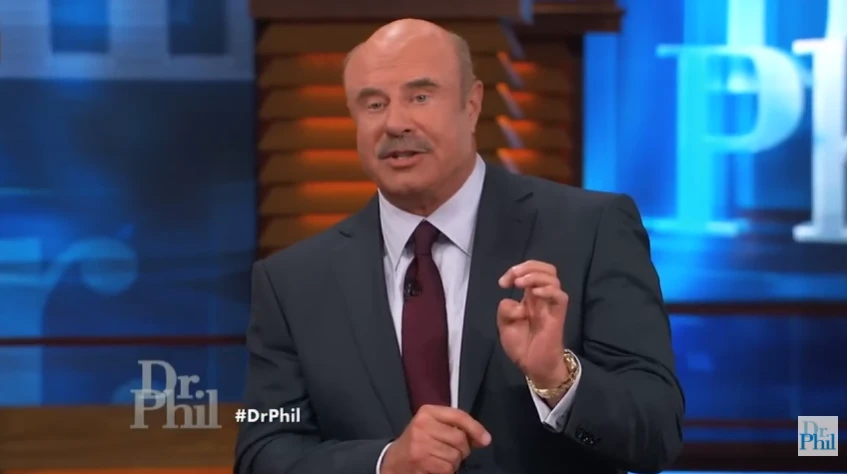
Dr. Phil begins the segment by addressing something he says he hears often on stage: parents claiming that “the kids don’t really know what’s going on.” His reaction is immediate and firm: “Really? You really think kids don’t know what’s going on between you and your spouse?”
This opening sets the entire emotional tone. Dr. Phil is not simply introducing a cute child’s video. He is challenging a dangerous assumption many adults use to comfort themselves when conflict becomes visible at home.
“Trust Me, They Do”
Dr. Phil answers his own question with a clear warning: “Trust me, they do.” He says children “know what’s going on,” even when adults think they are hiding it.
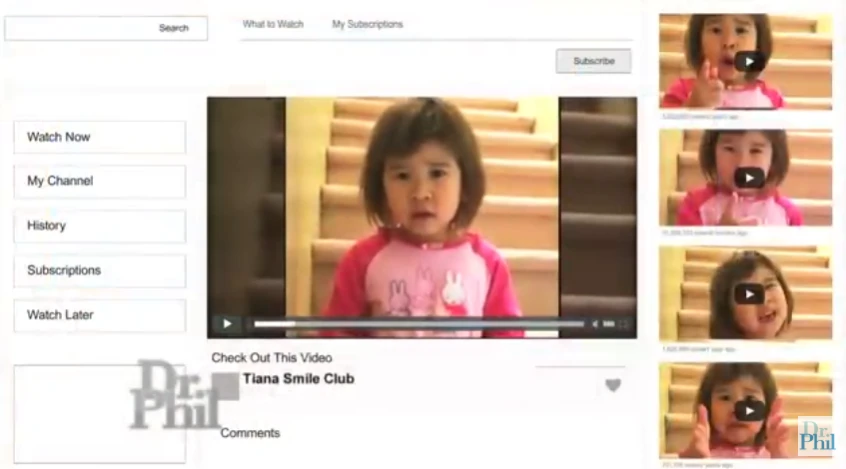
That line is the foundation of the segment. Children may not understand legal papers, finances, custody schedules, or adult reasons for separation. But they understand tone. They understand silence. They understand when the energy in the house changes.
Children Hear What Is Said and What Is Not Said
Dr. Phil says children “hear what’s said” and “hear what isn’t said.” This is one of the strongest observations in the clip because it goes beyond arguing.
A child does not need to hear every adult conversation to feel tension. They notice pauses, coldness, avoidance, and emotional distance. They feel the difference between a peaceful home and a home where everyone is trying not to explode.
Even Small Gestures Speak Loudly
Dr. Phil adds that children “even notice if you set your coffee cup down with a little extra bang in the morning.” That quote is powerful because it shows how small moments can carry big emotional messages.
Adults may forget the moment instantly. A child may remember the sound, the look, the feeling, and the fear that follows. That is why Dr. Phil introduces Tiana as someone who might “change your mind about how much kids know.”
Tiana’s Message Is Simple, But It Cuts Deep
Then comes the heart of the segment: little Tiana speaking to her mother. Her words are gentle, but they carry the emotional weight of a child trying to create peace between adults.
She begins with a direct question: “Mom, are you ready to be his friend?” That question alone reveals what she wants most. She is not asking for complicated explanations. She is asking for kindness, calm, and cooperation.
“Try Not to Be That High Up”
Tiana tells her mother, “Try not to be that high up to be friends,” then adds, “I want everything to be low.” In a child’s language, she is asking the adults to bring the conflict down.
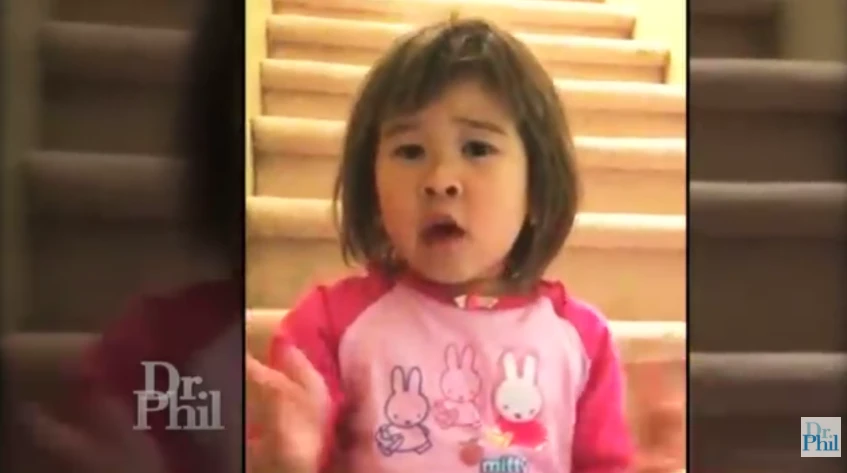
She may not use adult terms like emotional regulation or co-parenting communication. But she understands escalation. She knows when the mood becomes too high, too intense, and too hard to live around.
“I Want You and My Dad to Be Settled and Be Friends”
Tiana says, “I don’t want you and my dad to be… mean again.” Then she adds, “I want you and my dad to be… settled and be friends.”
This is the emotional center of the clip. Tiana is not asking her parents to magically become a couple again. She is asking them to stop being mean and settle down. That is a child’s version of asking for emotional safety.
“If I Can Be Nice, I Think All of Us Can Be Nice Too”
One of the most memorable quotes is when Tiana says, “If I can be nice, I think all of us can be nice too.” That sentence is heartbreaking because a 6-year-old is modeling the behavior she wants from adults.
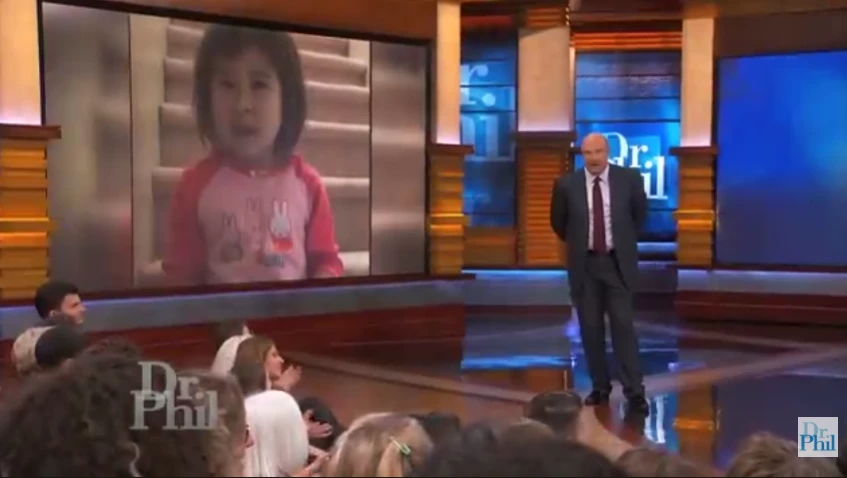
She is not trying to punish anyone. She even says, “I’m not trying to be mean.” She is trying to do what adults sometimes fail to do: lower the temperature, choose kindness, and think about the whole family.
Dr. Phil Translates the Child’s Words Into an Adult Lesson
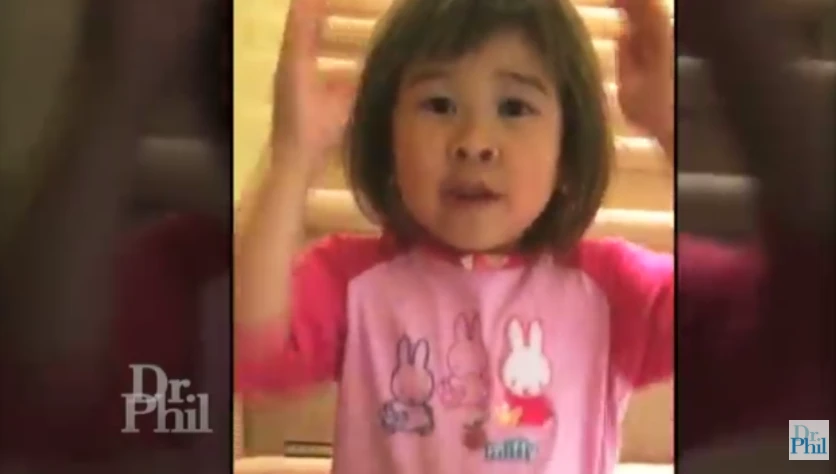
After the video, Dr. Phil summarizes what Tiana is really saying: “Settle down. Bring it down.” He repeats her message: “I want you to be friends. I’m not trying to be mean. I just want you to be friends.”
This moment matters because Dr. Phil does not treat Tiana’s words as childish. He treats them as wisdom. Her language is simple, but the need behind it is mature and urgent.
Children Should Not Become Emotional Referees
Tiana’s message is beautiful, but it also reveals something painful. A child should not feel responsible for calming adults. She should not have to manage the emotional climate between her parents.
When a child says, “I want everyone to be smiling,” it shows how deeply she wants peace. But it also shows that she has been watching the opposite. Her wish exists because the tension has already reached her.
Dr. Phil’s First Rule: Do Not Burden Children
Dr. Phil says he has “two rules when it comes to children.” The first is: “Do not burden them with situations they cannot control because it makes them feel helpless.”
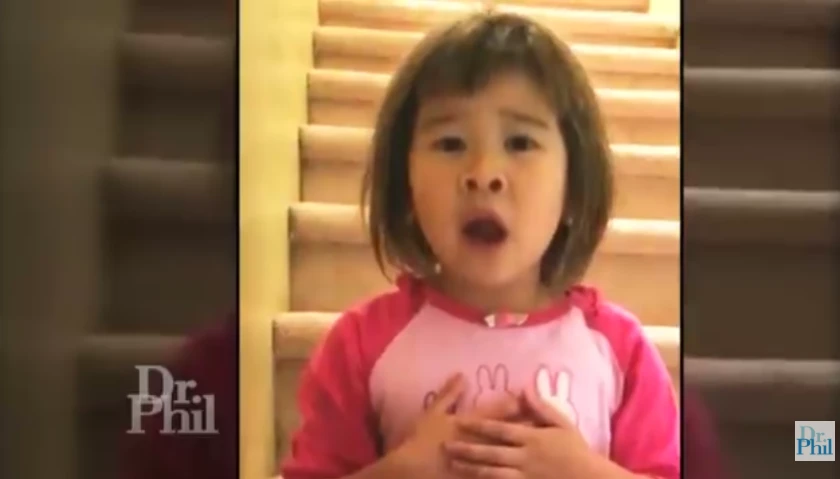
This is the clearest parenting lesson in the segment. Children cannot fix divorce, adult resentment, legal decisions, or broken trust. When adults expose them to those battles, children may feel responsible for problems they never created.
Dr. Phil’s Second Rule: Do Not Give Them Adult Issues
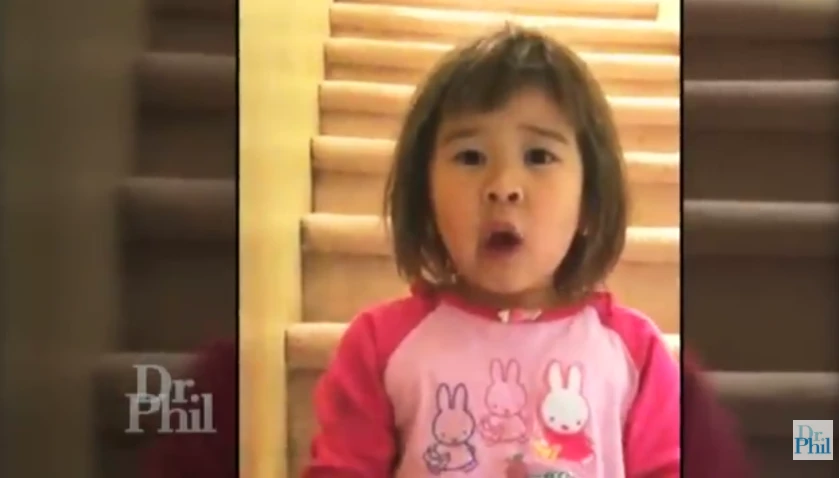
His second rule is just as direct: “Do not ask them to deal with adult issues.” He repeats the reason: it “makes them feel helpless.”
That word, “helpless,” is the key. Children need stability, reassurance, and permission to be children. They do not need to choose sides, carry messages, comfort parents, or act like the emotional adult in the room.
Tiana’s Parents Are Not the Only Ones Who Needed to Hear This
The fairest verdict is that Tiana’s words should not be treated as cute content. They are a serious warning. She is showing adults what children often feel but cannot always explain.
Her advice is not about blame. It is about the emotional environment surrounding a child during divorce. She wants calm. She wants smiles. She wants her parents to be friends, or at least to stop being mean.
Children Notice More Than Adults Admit
Dr. Phil’s point is simple: children know. They may not know every detail, but they know when something is wrong.
Parents who are separating may believe they are protecting their child by saying little. But if their tone, body language, and daily behavior are full of tension, the child still receives the message.
Peace Does Not Require Pretending
The lesson is not that divorcing parents must pretend everything is perfect. Children can handle age-appropriate truth. What they cannot handle is being placed in the middle.
Parents do not need to be best friends overnight. But they do need to communicate with respect, lower the emotional volume, and reassure the child that adult problems are not the child’s job to solve.
The Smallest Voice Said the Biggest Truth
The biggest lesson from this segment is that children often express the truth adults avoid. Tiana did not ask for a perfect family. She asked for kindness.
Her words, “I’m trying to do my best in my heart,” are the emotional takeaway. A 6-year-old was doing her best to bring peace into a situation she could not control.
The final judgment is clear: adults must protect children from adult conflict, not expect children to survive inside it quietly. Tiana’s advice was simple, but it carried the message every divorcing parent should hear: bring it down, be kind, and let children feel safe enough to smile again.