Dr. Phil Explores the Lasting Impact of Grief, Accusations, and Online Harassment
A teenager shares how her life changed after witnessing her boyfriend’s fatal fall. As rumors spread online and accusations intensified, Dr. Phil examines grief, public judgment, cyberbullying, and the importance of relying on facts rather than speculation.
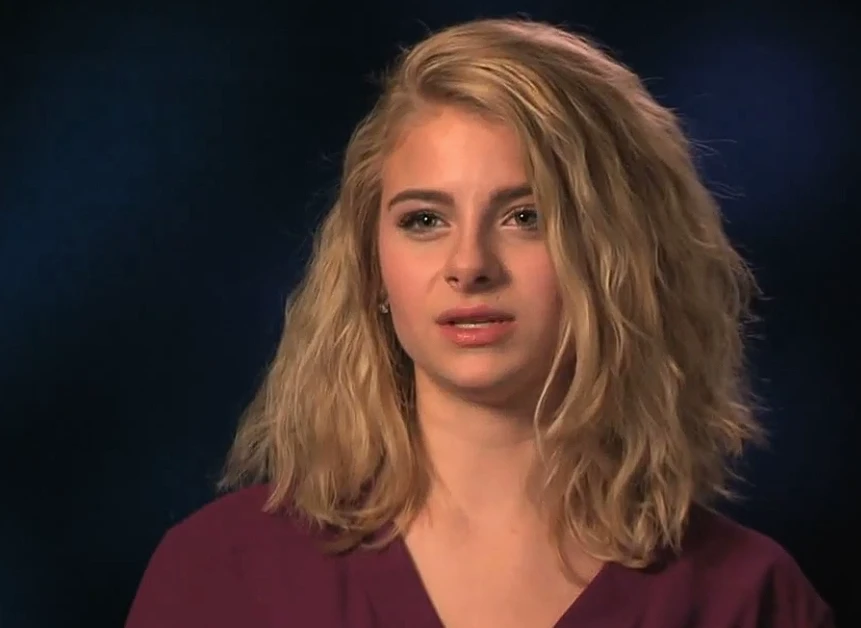
Losing a loved one is already one of life’s most painful experiences. For Khloe, that grief was followed by something she never expected—public accusations, online harassment, and exclusion from the funeral of the person she loved. In this emotional Dr. Phil segment, she describes witnessing her boyfriend Malcolm’s fatal fall, only to find herself blamed by strangers who knew little about what had actually happened. The discussion goes beyond one family’s tragedy and examines how grief, unanswered questions, social media, and public speculation can deepen emotional wounds for everyone involved.
A Tragic Accident That Changed Everything
The episode opens by explaining the heartbreaking event that brought everyone together. Dr. Phil states that Khloe’s boyfriend, Malcolm, “fell over a rail in an apartment building and died” in December. Khloe was the only witness to the incident.
In an instant, her life changed forever. Instead of mourning privately with Malcolm’s family, she found herself in the middle of growing suspicion and emotional conflict.
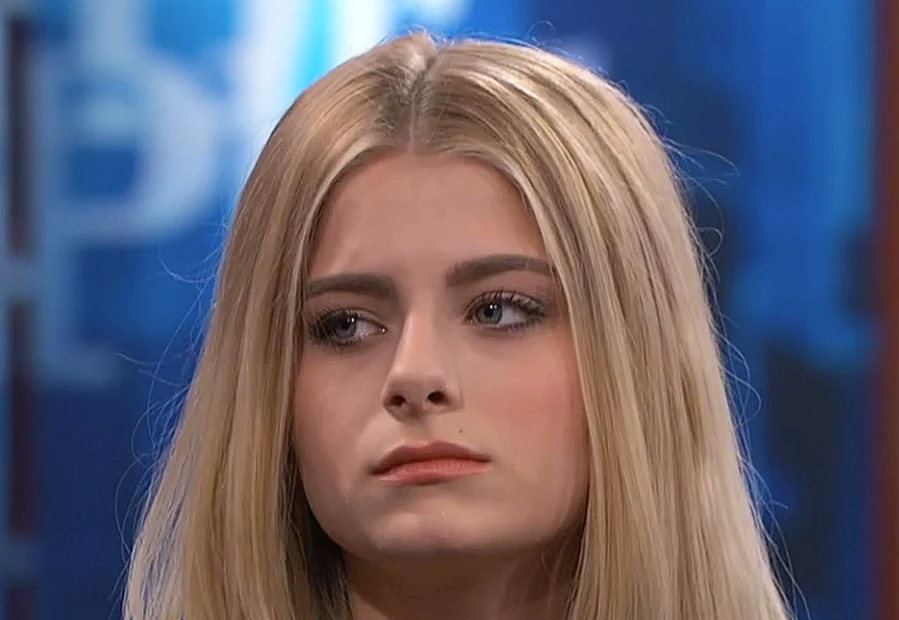
The tragedy itself is devastating enough. A young person loses someone they love without warning. Yet the emotional burden quickly becomes even heavier when grief is accompanied by accusations and public judgment.
Throughout the segment, Dr. Phil focuses not only on the loss itself but also on how people respond after traumatic events when emotions are running high and many questions remain unanswered.
From Girlfriend to Outsider
Khloe explains that Malcolm’s family treated her very differently after the accident.
She says, “Malcolm’s family did a complete 180 on me while Malcolm was in the hospital.”
One of the most painful moments came when she learned she would not be attending Malcolm’s funeral.
She recalls, “I was actually banned from Malcolm’s funeral. No one let me know when it was.”
For someone grieving the loss of a partner, being excluded from saying goodbye can create another layer of emotional pain. Funerals often provide an opportunity for closure, support, and remembrance. Without that opportunity, grief may become even more complicated.
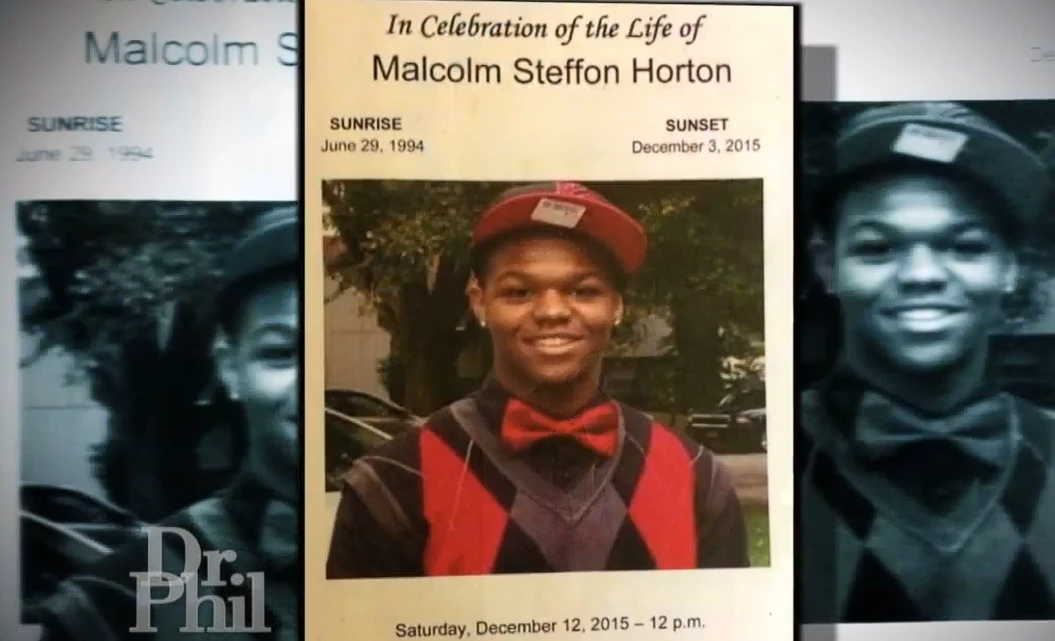
However, Malcolm’s mother explains her own reasoning. She says, “I couldn’t allow her at the funeral, not knowing if she killed him or not.”
This statement illustrates the enormous emotional divide between the two sides. Khloe believes she was unfairly excluded. Malcolm’s mother says uncertainty and grief influenced her decision. The segment does not present this moment as a legal conclusion but rather as an example of how loss can affect people’s judgment during periods of intense emotional distress.
Fear Replaced the Opportunity to Grieve
Khloe says the situation quickly became more frightening.
She explains that she received threats warning her not to attend the funeral.
According to Khloe, people told her that if she came, they would physically attack her. She also says others threatened to use a weapon if they saw her.
Regardless of where those threats originated, their emotional impact is significant. Someone already coping with the sudden loss of a loved one now also fears for their own safety.
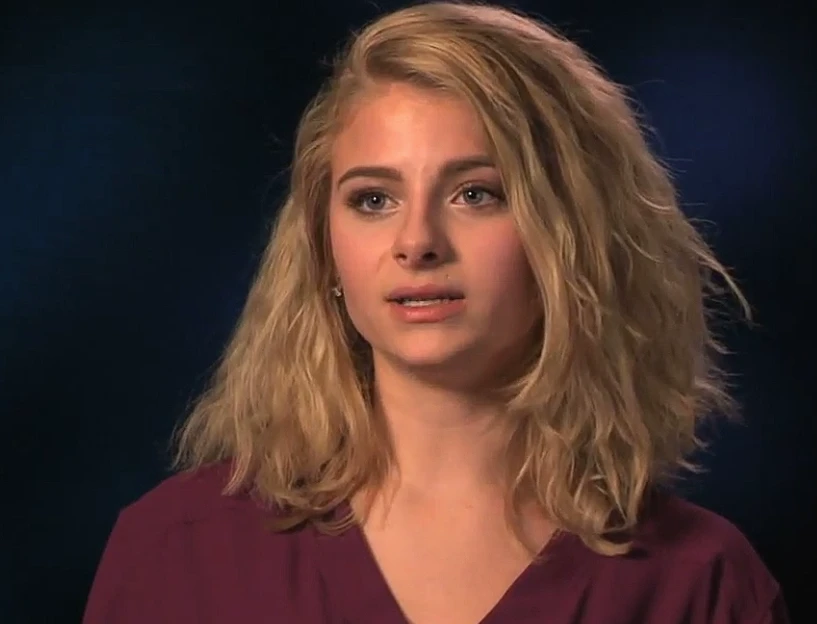
Malcolm’s mother also explains why she chose not to make accommodations for Khloe to attend before or after the funeral. She says she believed Khloe wanted people to see her grieving.
The conversation reveals two very different perspectives. One person believes she was denied the chance to mourn. Another believes protecting the funeral from additional conflict was necessary.
When Rumors Spread Faster Than Facts
After the funeral, Khloe says the accusations only became worse.
She explains, “After I was banned from Malcolm’s funeral, the accusations came pouring in.”
She describes receiving messages saying, “I heard you pushed him.”
Another message she remembers simply said, “Can you tell Malcolm I said hey,” which she interpreted as someone making light of the tragedy.
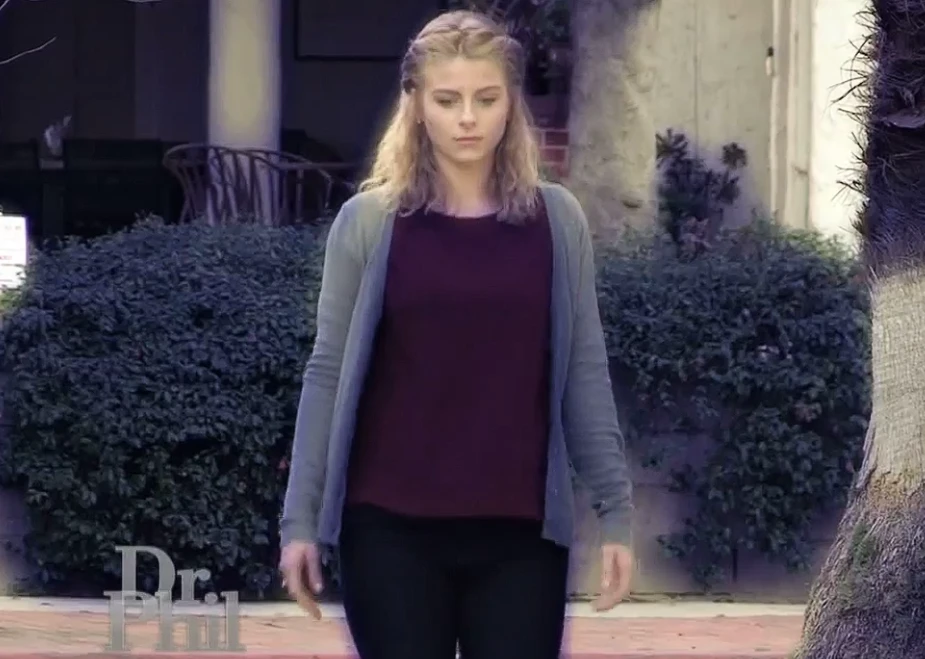
These examples demonstrate how quickly social media can amplify speculation before verified information becomes widely understood.
Rumors often spread because people search for explanations after unexpected events. Unfortunately, those explanations are not always based on evidence. Once misinformation begins circulating online, correcting it becomes extremely difficult.
Online Harassment Added to Her Grief
Khloe says the online comments eventually became overwhelming.
She explains, “It’s gotten quite out of hand.”
At one point she admits, “It’s to the point now where I want to delete all of my social media.”
This statement reflects an experience many people facing online harassment describe. Social media, originally intended to connect people, instead becomes a source of constant emotional stress.
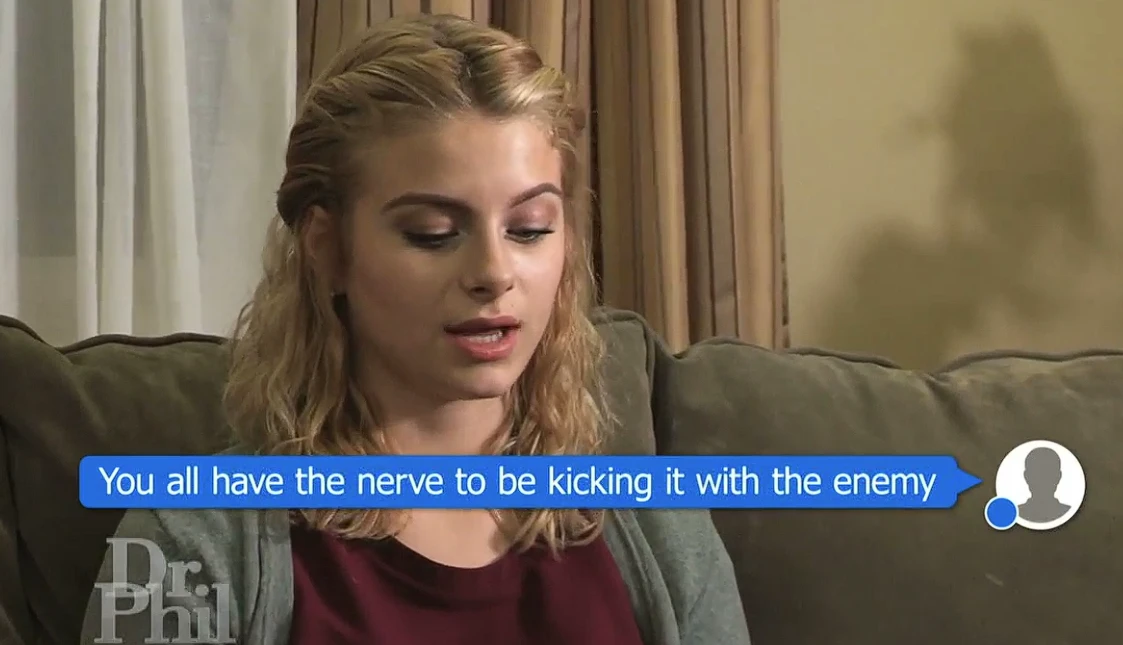
She says comments even appeared under photographs posted by her friends after they spent time together.
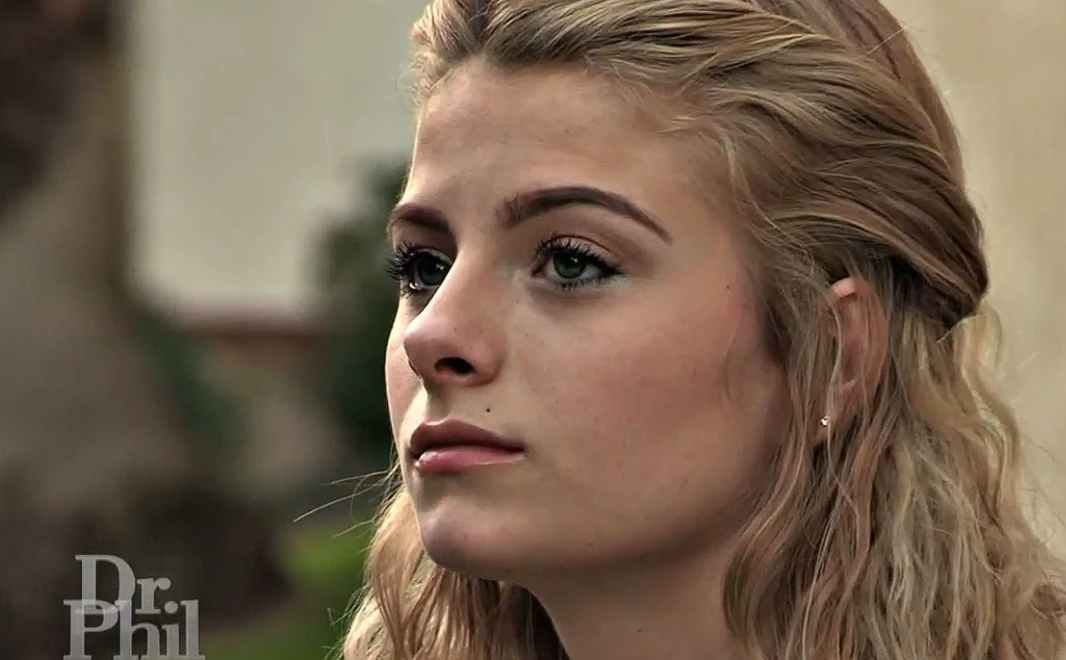
Instead of offering sympathy, strangers questioned why anyone would associate with her. One comment suggested that anyone spending time with Khloe was “kicking it with the enemy.”
This demonstrates how public judgment often extends beyond one individual and begins affecting friends and family members as well.
How Assumptions Turned Into Labels
One of the most troubling parts of Khloe’s account is how quickly strangers formed opinions without knowing her personally.
She says, “People don’t even know who I am.”
She believes many people only knew one simplified narrative and repeated it without understanding the circumstances surrounding Malcolm’s death.
Khloe also says the situation “became a racial thing,” explaining that people reduced the tragedy to stereotypes rather than facts.
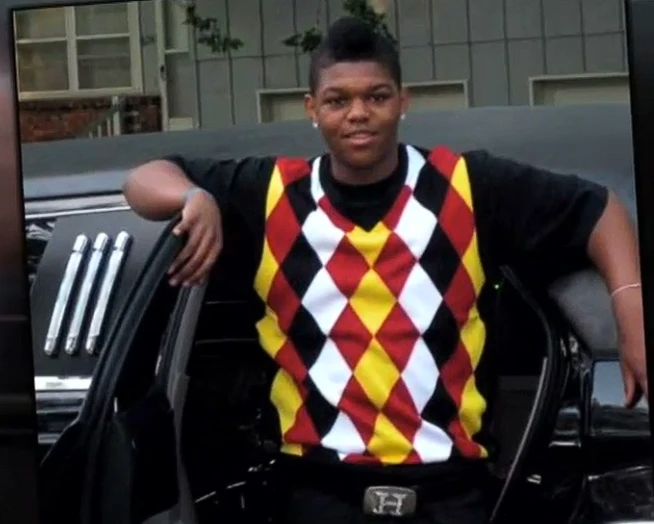
According to her, one of the harshest names people called her was “the Kansas City Killer.”
Labels like these can become deeply damaging because they replace an individual’s identity with an accusation, regardless of whether evidence supports that accusation.
Choosing Silence Instead of Fighting Online
Despite the messages she received, Khloe says she chose not to respond publicly.
She explains, “I haven’t responded to the messages I get. I have stayed quiet this whole time.”
That decision reflects a difficult reality many people experience after becoming the target of online harassment.
Responding to every accusation rarely ends the conflict. In many cases, public arguments only attract more attention and encourage additional speculation.
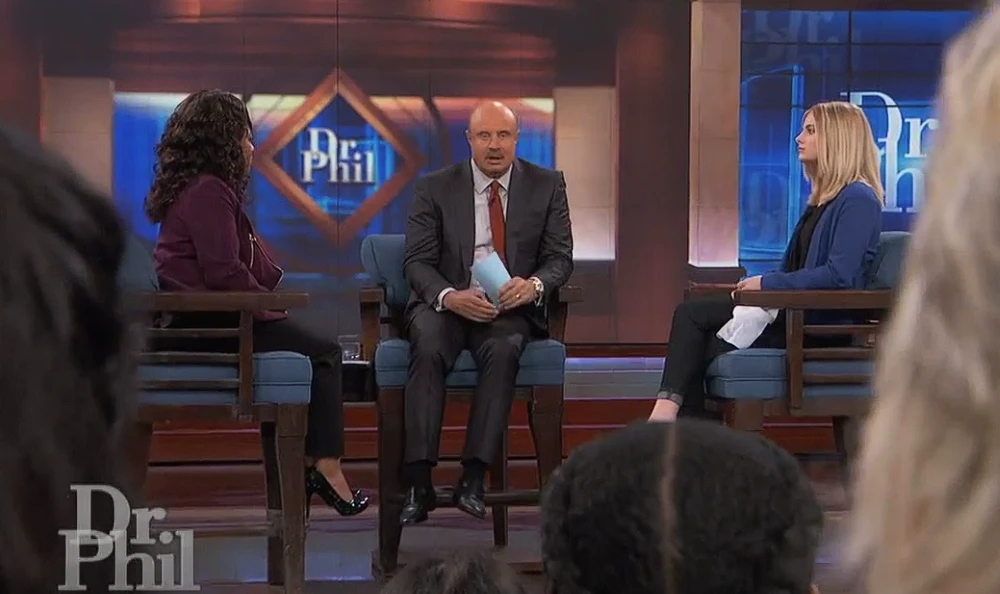
Instead, Khloe chose silence, although she admits that silence did not remove the emotional pain caused by the constant messages.
Remaining silent should not be interpreted as proof of guilt or innocence. Rather, it may simply reflect emotional exhaustion after months of grief and public attention.
Losing More Than a Boyfriend
Toward the end of the segment, Khloe shares another painful consequence of everything that happened.
She says, “My friends were his friends and his friends were my friends.”
Then she quietly adds, “Now I really have no one at all.”
This may be the most heartbreaking quote in the interview.
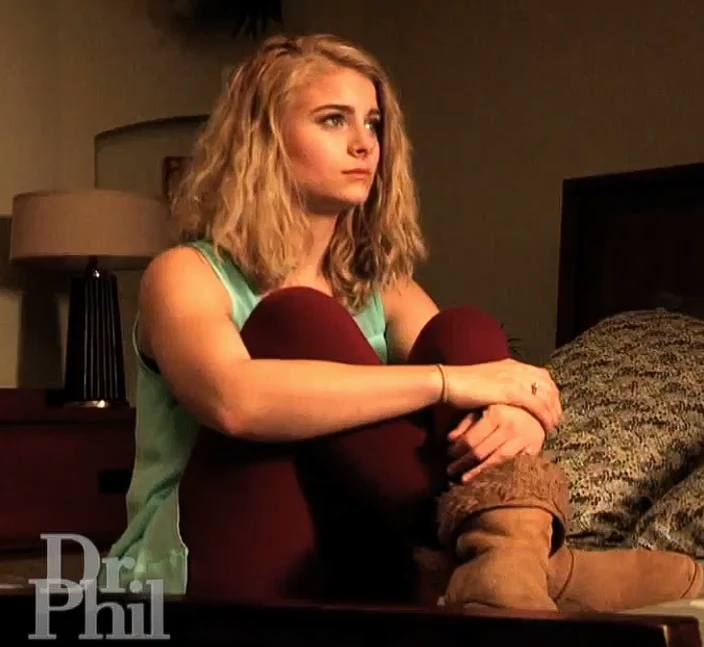
The loss extended far beyond Malcolm himself. She also lost her support system, friendships, and the sense of belonging she once had.
Grief often changes relationships, especially when family members and friends respond differently to tragedy. In Khloe’s case, she describes feeling isolated at the exact moment she most needed emotional support.
Dr. Phil’s Broader Message
Although the discussion focuses on one family’s experience, Dr. Phil highlights a much larger issue.
Unexpected tragedies often leave unanswered questions. During those moments, emotions naturally become intense. Family members search for explanations, friends struggle with grief, and communities attempt to understand what happened.
However, the search for answers should not automatically become a search for someone to blame without verified evidence.
The segment reminds viewers that grief and speculation are not the same thing. While emotional reactions are understandable, conclusions should be based on facts rather than assumptions or rumors shared online.
Situation Judgment
This segment presents two families experiencing the same tragedy from very different perspectives. Malcolm’s family is grieving the sudden loss of a son and naturally searching for answers. Khloe is grieving the loss of her boyfriend while also coping with public accusations and social isolation.
The emotional reactions shown throughout the episode reflect how complicated unexpected loss can become. Fear, confusion, and unanswered questions may influence how people respond in the days immediately following a tragedy.
At the same time, the online harassment Khloe describes demonstrates why speculation can become harmful. Serious accusations should be based on verified evidence rather than rumors repeated across social media.
The strongest lesson from this discussion is that grief should not become an excuse for spreading unverified claims that may cause additional harm to others already coping with loss.
Final Lesson
This Dr. Phil segment reminds viewers that one tragedy can affect many lives in different ways.
For Malcolm’s family, the focus is losing a beloved son. For Khloe, it is losing her partner while becoming the target of suspicion and online harassment. Both experiences involve profound grief, even though they are expressed differently.
The discussion also highlights the responsibility that comes with sharing information online. During moments of uncertainty, assumptions can spread much faster than verified facts, leaving lasting emotional consequences for everyone involved.
Ultimately, healing begins not through rumors or accusations, but through compassion, patience, and a commitment to understanding what truly happened before reaching conclusions. Even when emotions are overwhelming, treating others with fairness and empathy remains one of the most important ways communities can support those living through unimaginable loss.