Dr. Phil Examines Why a Teen Creates False Online Identities to Get Attention
A mother tells Dr. Phil that her teenage daughter creates false stories online, pretends to be someone else, and uses social media to gain attention from boys. The discussion explores online identity, self-worth, parental fear, safety, and the deeper reasons behind repeated deception.
Social media can give teenagers a place to connect, express themselves, and build confidence. But it can also become a stage where fantasy replaces reality. In this Dr. Phil segment, a mother says her daughter Ryan repeatedly creates false online stories, pretends to be a cheerleader, claims experiences that never happened, and forms intense connections with boys she meets online. The mother calls her daughter “a pathological liar,” but the deeper issue is not only lying. It is about identity, attention, loneliness, online validation, and the danger of building relationships on an image that does not reflect real life.
A Mother Describes a Pattern of Online Deception
The segment begins with a strong statement from Ryan’s mother, Shannon. She says, “My daughter is a pathological liar.” She also says she believes Ryan has “a major personality disorder,” explaining that Ryan “likes to pretend she’s other people, especially through social media.”
This opening immediately sets a serious tone. Shannon is not describing one isolated lie or a normal teenage exaggeration. She believes Ryan has created an ongoing pattern of false identities and stories that affect her relationships online.
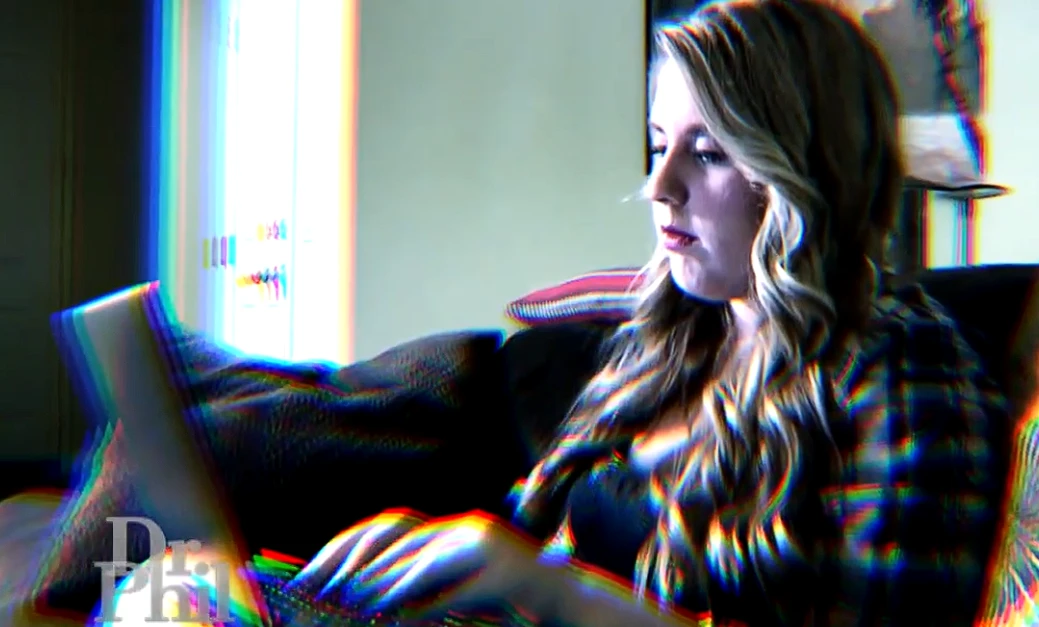
One of the main examples involves cheerleading. Shannon says Ryan “pretends to be a cheerleader” on Facebook and posts photos that make it look like she is part of a cheer squad. But Shannon says those teams do not belong to any school Ryan ever attended.
According to Shannon, Ryan wants “the life of being the head cheerleader who is going to get the popular boy.” That line is important because it suggests the fantasy is not random. Ryan appears to be building an ideal version of herself: popular, admired, athletic, wanted, and socially powerful.
The concern is not simply that Ryan wants attention. Many teenagers want attention. The problem is that Ryan appears to be chasing it through false images and stories that can affect other people emotionally.
The Cheerleader Fantasy Becomes a New Identity
Shannon gives a specific example of how far Ryan’s online persona can go. She says Ryan once sprained her wrist in a bicycle accident but told boys online that she was hurt because she had been “on top of a pyramid” and other girls dropped her.
This detail shows how ordinary events are rewritten into a more dramatic identity. A bike accident becomes a cheerleading injury. A normal teenage life becomes a performance.

Shannon describes it simply: “It’s her fantasy world.”
That phrase captures the core problem. Online, Ryan can become someone more exciting than she feels in real life. She can rewrite her background, create a new social status, and receive attention from boys who believe the image she presents.
She even wrote, “Are you ready for a hot bod? Here we come, cheer camp,” even though Shannon says Ryan has “not actually ever been to a real Cheer Camp.”
The pattern suggests that Ryan’s online behavior may be less about one lie and more about creating a version of herself she wishes were true. That does not make the behavior harmless, but it helps explain why it may be so difficult for her to stop.
False Stories Started Before Social Media
The episode also suggests that Ryan’s storytelling did not begin with dating apps or online attention from boys. Shannon says that in elementary school, one of Ryan’s friends received attention for getting a new puppy, so Ryan said she had a new puppy too.
Shannon also says Ryan claimed she had a sister, even though she did not.
These examples matter because they show a possible long-term pattern of seeking attention through invented stories. Social media may have made the behavior more visible and more risky, but the emotional need may have existed much earlier.
Children sometimes create stories because they want to feel special, included, or noticed. Most grow out of small exaggerations as they learn healthier ways to connect. But when the pattern continues into adolescence and begins affecting real relationships, it deserves closer attention.
Ryan’s case becomes serious because the stories are no longer harmless childhood imagination. They involve online relationships, emotional manipulation, travel plans, and safety concerns.
The Catfishing Concern
Shannon says Ryan wants to be an “MTV reality star” and that one of her favorite shows is Catfish. Shannon tells her, “You are one of those girls.”
This statement reveals the mother’s fear that Ryan is not only pretending online but actively misleading boys into believing a false identity. Shannon says, “This is one of her personalities that she uses to catfish boys.”
Catfishing is especially concerning because it creates relationships based on false information. The person on the other side may form real feelings, make real decisions, and experience real confusion when the truth comes out.

Shannon describes Ryan as creating a picture for boys who “have no idea who she really is.” That is one of the most important lines in the segment because it shows the emotional risk for everyone involved. Ryan may feel in control while building these stories, but the boys she contacts may be reacting to a person who does not truly exist.
In that sense, Ryan is not only escaping her own reality. She is pulling other people into that escape.
Attention From Boys Becomes a High
Shannon repeatedly connects Ryan’s behavior to attention from boys. She says, “Ryan gets attention from boys, she is on a high.” She describes Ryan as “bubbly” and “the greatest person to be around” when she is receiving that attention.
This is a crucial psychological point. If attention makes Ryan feel powerful, wanted, and emotionally energized, then online relationships may become addictive in their own way. The emotional reward can make the behavior difficult to stop, even when it causes conflict at home.
Shannon says Ryan can be “talking with 30 guys.” She also says, “Every other week it’s a new boy and it’s a new love.”
That pattern suggests Ryan may not be building stable relationships. Instead, she may be chasing the emotional rush of being wanted. Once one connection loses excitement or becomes complicated, another one replaces it.
The deeper issue is self-worth. If Ryan only feels valuable when boys give her attention, she may keep creating stories to hold that attention.
When Online Choices Create Real-World Risk
The segment becomes more serious when Shannon describes Ryan’s attempts to meet or pursue boys from online relationships.
She says Ryan once met a boy online in Canada and became extremely upset when Shannon refused to let her leave. According to Shannon, Ryan had researched how to renew her passport and move to Canada.
Shannon recalls that police were called to calm the situation down and that they were “quite impressed at how much research she had done to move to Canada.”
This moment shows that Ryan’s fantasies are not staying online. They are influencing real-world decisions.

The mother also says Ryan disappeared from home another time. Shannon says she came home and found her car missing, then discovered Ryan’s closet was empty and “everything was gone.”
Later, she says she discovered Ryan had been staying on a base in barracks.
These events explain why Shannon is so alarmed. She is not only upset about lies. She is afraid that Ryan’s online relationships may lead her into unsafe situations.
A Mother’s Fear Turns Into Harsh Labels
Shannon clearly loves her daughter, but her language is harsh. Calling Ryan “crazy” or “a pathological liar” may express frustration, but it may also make Ryan feel more judged and less willing to be honest.
At one point, Shannon says she contacted a boy and told him her daughter was “crazy” and that he needed to stay away from her. From Shannon’s perspective, she was trying to protect everyone involved. But from Ryan’s perspective, that kind of intervention may feel humiliating.
This is one of the hardest parts of parenting a teenager who is making risky choices. The parent may feel desperate and react strongly. But shame often drives teens deeper into secrecy.

If Ryan already feels that her real self is not enough, being labeled may reinforce the exact insecurity that pushes her toward fantasy identities online.
That does not mean Shannon should ignore the behavior. It means the response needs to focus on safety, honesty, and support—not only anger and labels.
Dr. Phil’s Bigger Message About Identity
Although the segment focuses on catfishing, the deeper issue is identity. Ryan appears to be creating versions of herself that feel more exciting, more accepted, and more admired than the life she believes she has.
This is why punishment alone may not solve the problem. Taking away access to social media may stop one profile temporarily, but it does not answer the deeper question: why does Ryan feel she needs to pretend?
Dr. Phil often approaches cases like this by looking for the root cause beneath the visible behavior. The online lies are the symptom. The deeper issue may involve self-esteem, loneliness, attention-seeking, family conflict, or difficulty accepting ordinary teenage life.

Ryan may need help learning how to build confidence without inventing a new identity. She also needs to understand that real connection cannot be built through false stories.
Situation Judgment
Ryan’s behavior, as described by her mother, is concerning because it moves beyond harmless exaggeration. Creating false identities, misleading boys online, claiming experiences that never happened, and making serious plans around online relationships can create emotional and safety risks.
Shannon’s fear is understandable. She sees her daughter forming intense online connections, disappearing from home, and building stories that could affect other people. Any parent would be alarmed.
However, Shannon’s response also matters. Harsh labels may express fear, but they do not necessarily create trust. If Ryan feels attacked, she may continue hiding instead of opening up.
The strongest path forward would involve firm boundaries, online safety rules, honest conversations, and professional support focused on Ryan’s self-worth and identity. The goal should not only be stopping the lies. The goal should be helping Ryan feel secure enough to live without them.
Final Lesson
This Dr. Phil segment shows how social media can turn insecurity into performance.

Ryan’s online stories may look like simple dishonesty, but they also reveal a deeper desire to be admired, chosen, and seen as special. The fantasy world gives her attention, but it also creates risk and damages trust.
The lesson for parents is that online deception should be taken seriously, but it must be addressed with both boundaries and understanding. Teens need rules, but they also need help understanding why they are seeking validation from strangers and why real relationships require honesty.
The lesson for teenagers is equally important. A false identity may bring attention quickly, but it cannot create lasting self-worth. Eventually, the truth matters.
In the end, Ryan’s story is not only about catfishing. It is about a teenager trying to become someone else because being herself may not feel good enough. Real healing begins when she no longer needs a fantasy world to feel valued.