Dr. Phil Challenges Jack Doherty to Make Pranks Without Hurting the People Around Him
Jack Doherty appears on Dr. Phil after a prank involving his brother’s new car creates tension. The segment explores online fame, boundaries, family conflict, content creation, and why successful comedy should not come at someone else’s expense.
Online fame often rewards big reactions, loud moments, and content that feels unpredictable. But when the pursuit of views begins affecting family members, property, or personal boundaries, the question changes from “Was it funny?” to “Was it responsible?” In this Dr. Phil segment, Jack Doherty is confronted after taking his brother Michael’s new luxury car without permission and without a license so he could film a prank. Jack treats the moment as entertainment, while Michael admits that in the moment, it was not funny. Dr. Phil uses the exchange to offer a bigger lesson about creativity, accountability, and why the most sustainable comedy usually avoids making other people pay the price.
A Prank Built Around Someone Else’s Property
The segment begins with footage of Jack taking his older brother Michael’s new luxury car. The setup is introduced clearly: Jack took the car “without permission and without a license” so he could film a prank.
That detail immediately raises the stakes. This was not simply a joke inside the house or a harmless online sketch. It involved someone else’s vehicle, a lack of permission, and a situation that could have created serious consequences.
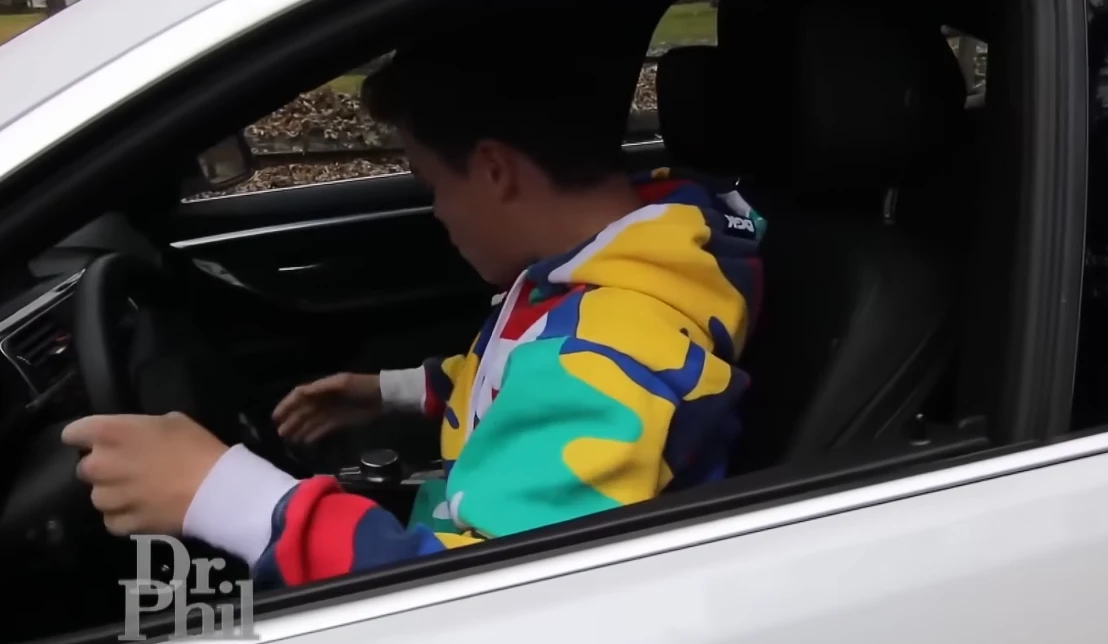
In the clip, the tension becomes obvious. Michael arrives upset, and someone says, “Michael, stop. Stop filming right now.” Another voice says, “Don’t break it.”
For viewers, the scene may look chaotic and funny because it is edited as internet content. But for the person whose car was taken, the experience was clearly different.
This contrast is one of the central issues in the episode. A prank may entertain an audience, but the person targeted by the prank may experience fear, anger, embarrassment, or loss of control.
Jack Sees the Moment as Content
When Michael joins the conversation, Jack immediately frames the prank as funny. He says, “It was funny though, come on. That was great.” He even jokes that Michael “popped” him in the face several times and says, “I mean, I deserved it.”
Jack’s attitude reveals how he processes the event. He is not focused on permission or risk. He is focused on the reaction, the clip, and the entertainment value.
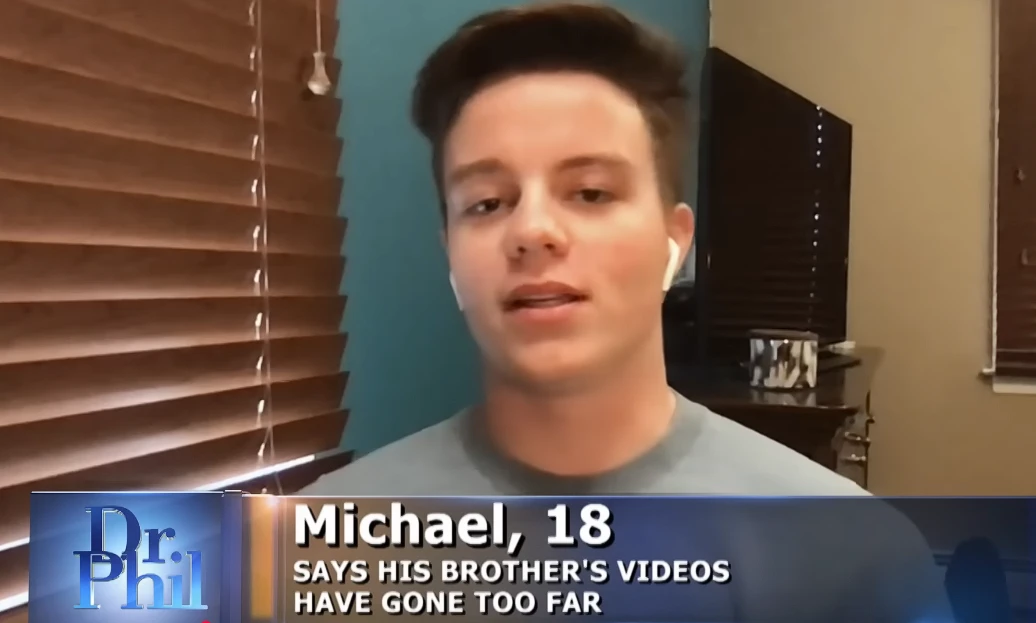
Michael gives a more balanced answer. He says that “looking back on it” someone could say it was funny, “but in the moment it was not that funny.”
That sentence matters because it separates content from lived experience. Online viewers often judge a prank after the fact, when they already know nobody was seriously harmed. But the person living through the moment does not have that certainty.
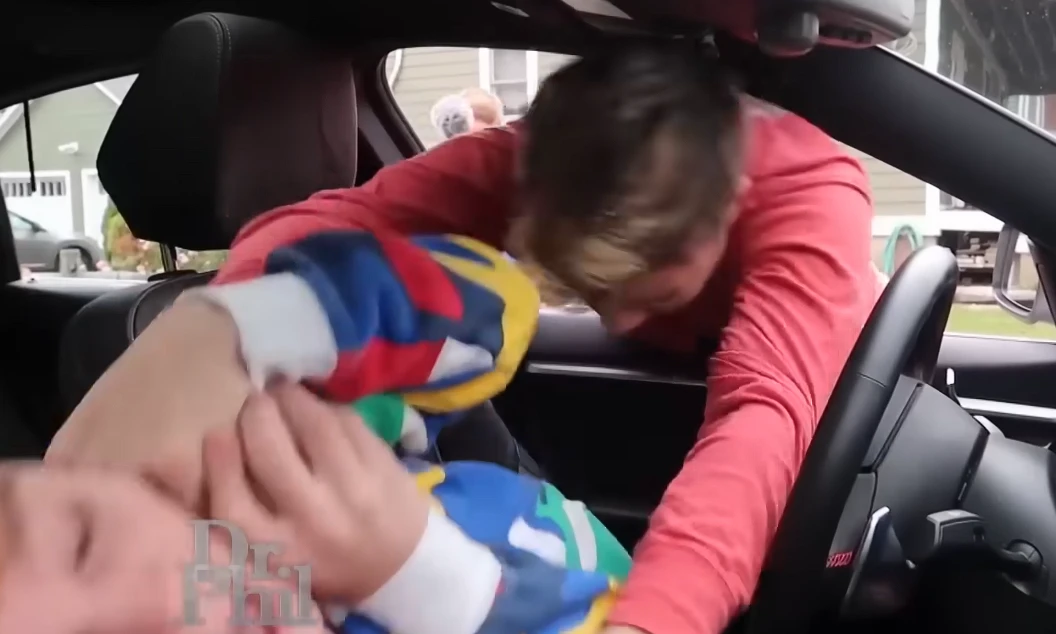
Michael says he thought Jack “was going to crash or something.” That fear was real in the moment. Jack quickly responds, “If I crashed, I’d buy a new one. Let’s be real. No worries.”
This response shows another problem: money does not erase responsibility. Replacing property is not the same as respecting someone’s boundaries.
Dr. Phil Notices the Interruptions
As Michael tries to explain his side, Jack repeatedly interrupts. Dr. Phil stops him and says, “I’m talking to your brother and you’re interrupting.”
This moment is important because the episode is not only about one prank. It is about Jack’s ability to listen when someone else describes how his behavior affected them.
Michael then explains that the car incident was not even the worst thing they had done. He references another video in which Jack paid him to quit his job and tell his manager something disrespectful.
Jack corrects the details, saying he gave Michael more money than stated and adds, “It’s all in jokes. Grow up, live life, have fun.”
That line summarizes Jack’s defense. He sees the world through the lens of content and humor. If it creates a reaction and people laugh later, he believes it belongs in the category of fun.
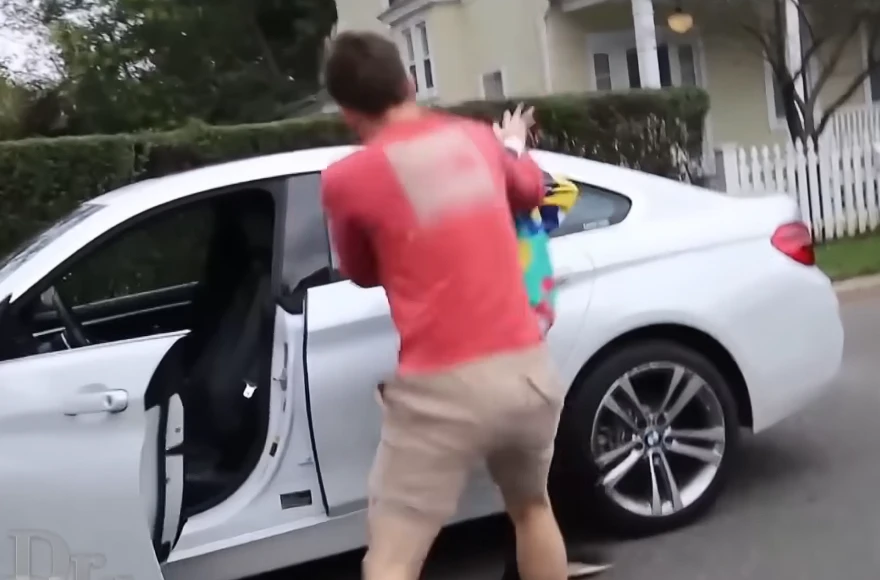
Dr. Phil, however, sees a bigger issue. Fun for one person can create consequences for another. A joke that requires someone else to lose control, risk property, or damage a work relationship is not the same as comedy that places the creator at the center of the joke.
The Difference Between Creative Comedy and Costly Pranks
Dr. Phil then gives Jack advice based on conversations with other successful online creators. He says he knows many internet influencers with “tens and tens of millions” of followers who do comedy and jokes.
But Dr. Phil points out a key difference: “They’re always successful when the joke’s on them.”
This is the most important advice in the segment. Dr. Phil is not telling Jack to stop being funny. He is telling him to raise the level of creativity.
A prank where someone else becomes the target is easy to produce because the creator only needs to provoke a reaction. A prank where the creator becomes the subject requires more imagination, self-awareness, and planning.
Dr. Phil explains that successful creators can make content where the joke is not “at someone else’s expense.” He says there are many different things Jack could do that “don’t have the downside but have the upside” if he challenges himself to do things at “a different level.”
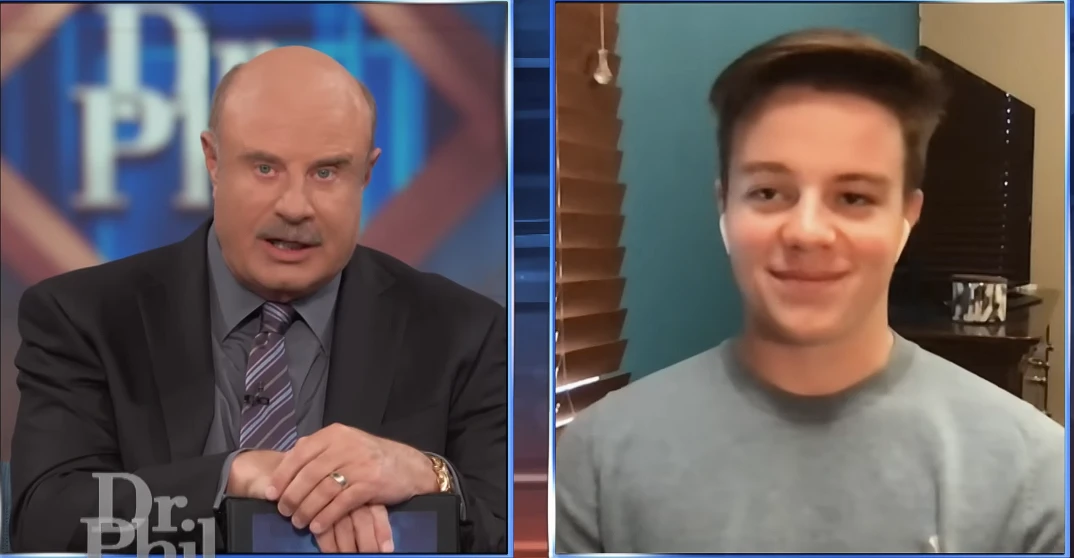
That advice is practical. Jack already has energy and work ethic. The question is whether he can turn that energy into content that does not damage relationships or create unnecessary risk.
Jack Struggles to Receive Advice
Dr. Phil begins to compliment Jack, saying, “I think you’re energetic and I think you’re a hard worker.” But before he can finish, Jack interrupts again.
Jack says, “I think they’re so creative. No one’s ever done those types of stuff.”
That interruption changes the mood. Dr. Phil stops and says, “Okay, we’re done here.” He explains that he was trying to give Jack advice, but Jack wanted to talk over him.
This is a major turning point. Dr. Phil is not rejecting Jack because he is a content creator. He is frustrated because Jack will not listen long enough to receive advice that could help him grow.
Jack’s mother or someone close to him asks Dr. Phil to give him another chance, saying, “Jack, please don’t interrupt anymore. He’s trying to be nice.”

Dr. Phil responds that he has tried several times to share advice from influencers “10 times the size” of Jack on the internet, and they all gave him the same message. But Jack “wants to interrupt and argue.”
This is where the deeper lesson appears: talent and attention are not enough if someone cannot accept guidance.
Fame Can Reward the Wrong Lesson
Jack’s confidence is understandable. He has built an audience by doing bold things. The danger is that success can teach the wrong lesson if the creator believes every reaction proves the method is correct.
When Jack says, “It’s all in jokes,” he is treating entertainment as the final justification. But Dr. Phil’s point is that internet fame should not remove responsibility.
A creator can get views from conflict, shock, or family chaos. But long-term success usually requires more than attention. It requires judgment, brand sustainability, relationships, and the ability to adapt.
Creators who build content around making others uncomfortable may eventually lose trust. Family members may stop cooperating. Audiences may grow tired of the same formula. Platforms may become stricter. Sponsors may avoid content that appears careless.
Dr. Phil is trying to help Jack see the difference between short-term reaction and long-term growth.
Michael’s Role Shows the Human Cost
Michael’s comments matter because they show the effect behind the scenes. He admits that in hindsight, the car prank may seem funny, but in the moment he feared the car could be damaged.
He also participated in other content, including quitting his job for money. That raises another question: when a family member agrees to participate because money or pressure is involved, is the result still healthy?
Online content can blur family boundaries. A brother becomes a cast member. A private argument becomes a clip. A stressful moment becomes entertainment.
Over time, family members may begin wondering whether a situation is real or just another setup for views. That can weaken trust inside the family.
Jack may see Michael as part of the content world. But Michael is also his brother, with his own property, job, emotions, and limits.
Dr. Phil’s Bigger Message About Boundaries
The central message is not anti-YouTube or anti-prank. Dr. Phil clearly understands that online entertainment is a real career path. He even respects the preparation and work that goes into producing a show.
The problem is boundaries.
A prank becomes more questionable when it requires taking something without permission, creating risk, humiliating someone, or pushing family members into situations they later regret.
Dr. Phil’s advice is simple but strong: make the joke about yourself. That approach protects others while still allowing creativity.
Self-directed comedy can be just as funny, often more original, and far less damaging. It also shows maturity because the creator is willing to carry the risk instead of placing it on others.
Situation Judgment
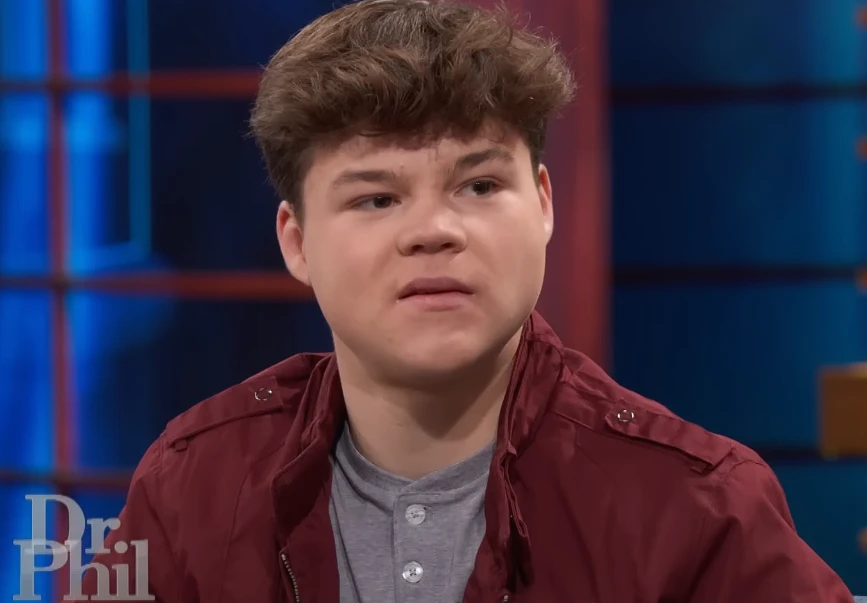
Jack clearly has energy, ambition, and a strong instinct for content. Those traits can help a creator succeed. However, the car prank shows poor judgment because it involved someone else’s property, lack of permission, and a situation that made his brother genuinely worried.
Michael’s reaction is understandable. Even if he later admits the clip can look funny, the stress he felt in the moment was real.
Dr. Phil’s strongest point is that Jack does not need to stop creating. He needs to elevate the way he creates. If he wants long-term success, he must learn to listen, respect boundaries, and make content that does not depend on other people paying the emotional or practical cost.
The biggest concern is not only the prank itself. It is Jack’s resistance to feedback. When someone cannot hear advice, growth becomes much harder.
Final Lesson
This Dr. Phil segment shows how internet fame can blur the line between entertainment and responsibility.
Jack sees his pranks as jokes, but the people around him experience the consequences in real time. His brother’s car, job, emotions, and boundaries are not just props for content.
The lesson is that creativity does not require disrespect. The strongest creators often find ways to make themselves the center of the joke rather than forcing others into uncomfortable situations.
Dr. Phil’s advice is valuable because it does not reject Jack’s ambition. It challenges him to grow. Energy and hard work are useful, but they must be paired with maturity and respect.
In the end, a viral moment may bring attention for one day, but trust determines what lasts. If Jack wants a future beyond shock value, he has to learn that the best content does not come from crossing boundaries. It comes from being creative enough to entertain without making others pay the price.