DMX Explains Why Real Artists Must Write From the Heart
Familiar Pattern
A woman tells Dr. Phil she warned another family after seeing Amy post a new pregnancy announcement online. The segment explores trust, proof, repeated patterns, public claims, and the emotional damage caused when families are pulled into confusing personal stories.
When someone has already been caught in a serious pattern of misleading claims, any new announcement can raise immediate concern. In this Dr. Phil segment, a former friend says Amy appeared online with another pregnancy announcement, this time involving a new man and his family. What followed was a chain of warnings, requests for proof, confusing documents, and another reported crisis that turned out differently than expected. The deeper issue is not simply whether one announcement was true. It is about what happens when trust has already been damaged and families are left trying to separate fact from performance.
A New Announcement After an Old Pattern
The segment begins with a strong accusation from someone who had already been connected to Amy’s earlier controversy. She says, “Even after Amy was caught in all of her lies with her fake pregnancy here, she turned right back around and did the same thing in Florida this past spring.”
That sentence immediately frames the situation as part of a repeated pattern rather than an isolated misunderstanding. The speaker is not reacting to one confusing post. She believes she is seeing the same story unfold again with a different family.
She explains that a member of their group found photos of Amy on social media with “a pregnancy announcement,” and adds, “of course multiples with a new man.” The phrase “of course” reveals skepticism. To her, the detail about multiples felt familiar because it echoed earlier claims.
Her reaction was immediate: “When I found that out, I thought there is no way possible this is happening again.” She says she was in “utter disbelief.” This disbelief matters because it shows the emotional toll that repeated uncertainty can create. When people feel they have already been misled once, new claims are no longer received neutrally.
Why the Former Friend Decided to Act
The speaker says she and other members of the group “immediately took action.” They searched through likes and interactions on Amy’s posts to identify members of the new boyfriend’s family.
This raises an important ethical question. When should someone intervene in another person’s private life? On one side, contacting a new family can look intrusive. On the other side, if the person truly believes a family may be pulled into a damaging false story, silence can feel irresponsible.
Her stated motive was prevention. She says they contacted family members “to warn them.” She also says the new family members were told the “exact same story,” including that Amy became pregnant “after the first date.”
From her perspective, warning the family was not gossip. It was an attempt to prevent another group of people from experiencing confusion, emotional investment, and possible heartbreak.
Still, the situation is complicated. Publicly shared information can be easy to trace, but entering another family’s conflict can escalate emotions quickly. That is why proof becomes so important.
The Search for Proof
The speaker says she advised the boyfriend’s sister to ask for concrete evidence. Her list was simple: “an ultrasound photo with her name on it,” “a pregnancy test,” or “a document from the hospital.”
This is one of the most practical parts of the segment. When emotions are high and claims are serious, proof helps move the conversation away from assumption. It also protects everyone involved. If Amy was telling the truth, proof would support her. If she was not, proof would prevent the family from being misled further.
According to the speaker, the boyfriend asked Amy to go to a pharmacy and purchase a pregnancy test. She says, “No pregnancy test was ever performed.” That detail becomes central because the test would have been one of the simplest ways to resolve the question.
Dr. Phil later reinforces this point. He notes that Amy could have easily asked to take a pregnancy test, but according to the discussion, she did not provide that direct proof.
A Gender-Reveal Party and More Confusion
The story becomes more complicated when the speaker says Amy posted about a gender-reveal party on April Fools’ Day.
A gender reveal is usually a joyful event. But in this context, it becomes part of the suspicion because the people around Amy were still asking for basic confirmation. A public celebration without private proof can intensify concern rather than reduce it.
Dr. Phil describes a moment when the boyfriend confronted Amy and asked, “Are you really pregnant? I want to see a pregnancy test.”
That question is direct and reasonable. If someone is being asked to accept life-changing news, it is fair to request verification, especially when doubts already exist.
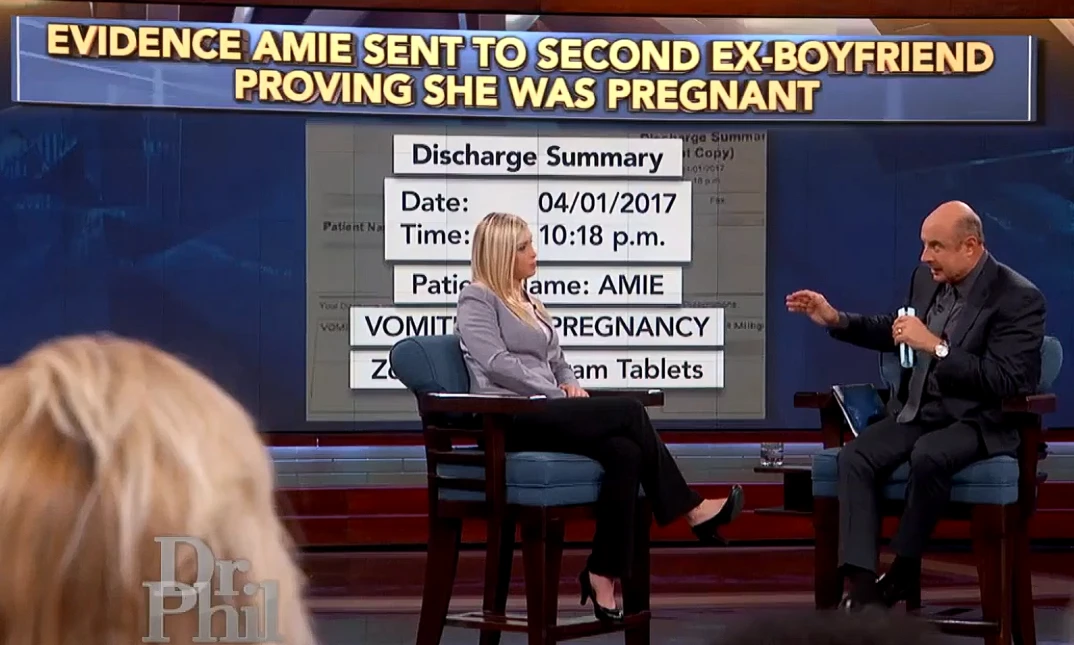
Instead of producing a test, Dr. Phil says Amy went to the hospital and later provided a discharge summary. The document reportedly said “vomiting in pregnancy” and showed she was given Zofran, an anti-nausea medication.
Why the Hospital Document Did Not Settle the Question
At first glance, a hospital discharge summary may sound like strong proof. But Dr. Phil focuses carefully on what the document does and does not show.
He explains that there was “no evidence that they tested her for pregnancy.” Instead, the document appeared to reflect what she told medical staff: “I’m pregnant. I’m having nausea.”
Dr. Phil summarizes the issue clearly. The paper said “vomiting in pregnancy,” but that did not necessarily mean a pregnancy test had been performed. He explains it could have been treatment based on “a patient self-report.”
This distinction is important. In medical settings, a patient’s report can appear in documentation without independently proving every detail. A discharge summary can confirm that someone received treatment, but it may not confirm the underlying claim unless testing was done.
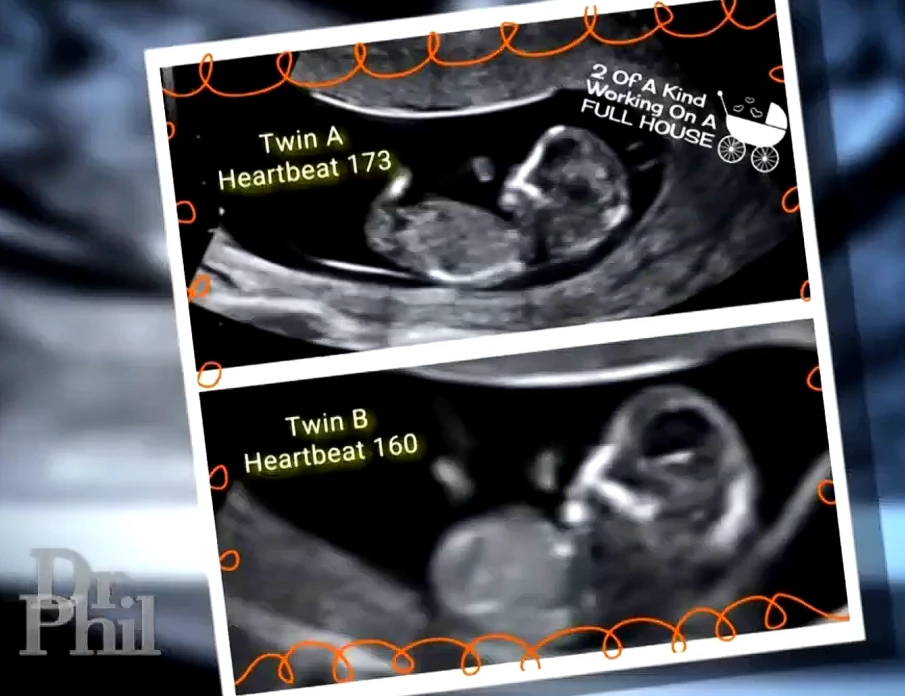
The speaker agrees, saying Amy “could have easily gotten a pregnancy test but did not.” She adds that this was exactly what the family had given her money for: to go to a pharmacy, purchase a test, and perform it in front of them.
A Reported Crisis That Required Verification
The segment then describes another alarming moment. After questions intensified, the speaker says Amy went missing, and messages were sent to the boyfriend claiming she had been found deceased.
Because that type of claim is extremely serious, the boyfriend’s family contacted police and requested a wellness check.
The outcome was very different from the message. The speaker says officers found Amy “at her mother’s house just perfectly fine.”
This moment reinforces one of the most important lessons in the segment: serious claims must be verified before being accepted as fact. The family did the responsible thing by contacting authorities instead of relying only on text messages or online statements.
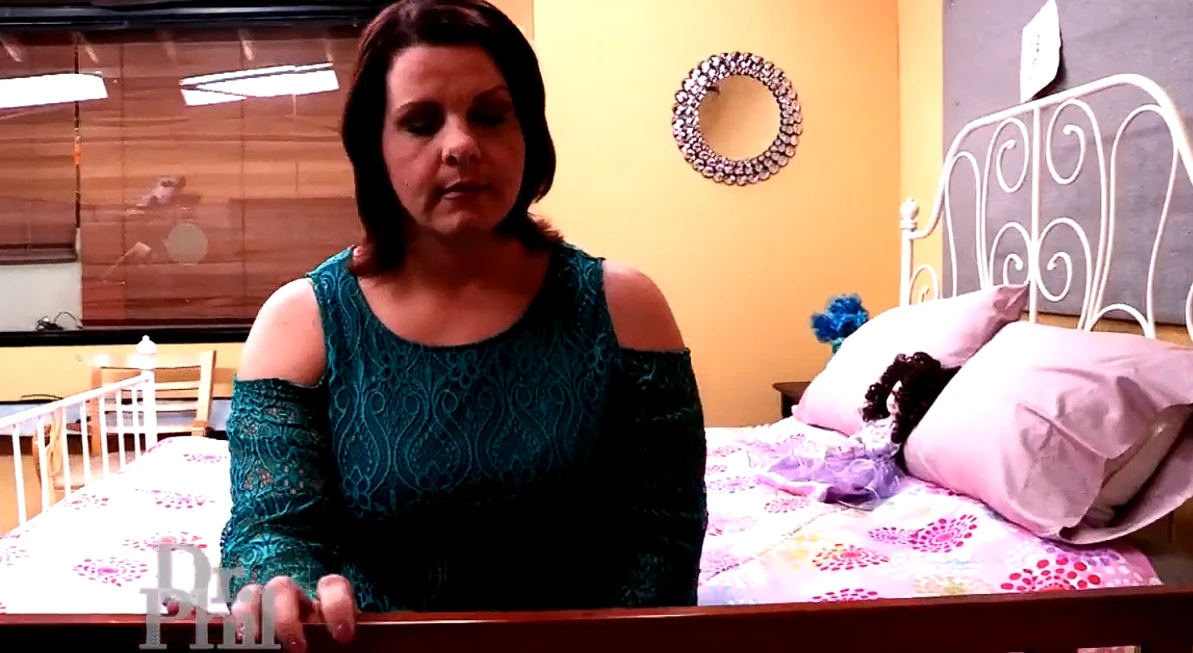
The wellness check also shows how quickly confusing personal stories can pull in law enforcement, family members, friends, and even people who were only trying to help.
Another Claim About a Remaining Baby
The situation did not end there. The speaker says Amy later contacted the boyfriend’s sister with another explanation: the twins were gone, but “there was the third baby that lived through it.”
Dr. Phil later reads a message that says, “One baby was missed,” and that they were “still going to be parents this October.”
This new claim added another layer of confusion. According to the speaker, October arrived, but “there’s no baby,” and Amy and the boyfriend were no longer together.
The repeated shifting of the story is what makes the family’s concern understandable. When a claim changes from multiples, to medical documents, to a reported crisis, to one remaining baby, trust becomes increasingly difficult to maintain.
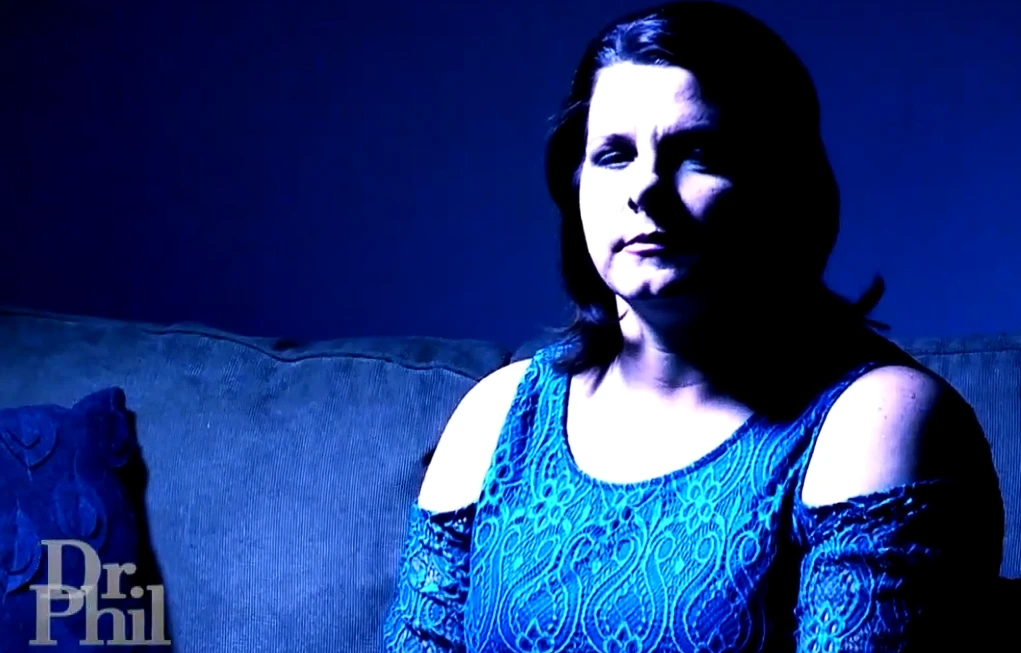
At that point, people are no longer reacting to one statement. They are reacting to a series of statements that appear difficult to verify.
Dr. Phil’s Role: Separating Evidence From Emotion
Dr. Phil’s approach in this segment is not simply to accept one side’s anger. He walks through the timeline and focuses on what evidence exists.
He points to the gender reveal, the boyfriend’s request for a test, the hospital document, the lack of confirmed testing, and the later message about one baby being missed.
This structure matters because emotionally charged cases can easily become about who sounds more believable. Dr. Phil instead directs attention to documents, actions, and consistency.
The most telling issue is not one single sentence. It is the pattern: public announcement, request for proof, indirect documentation, avoided test, crisis message, wellness check, and another revised explanation.
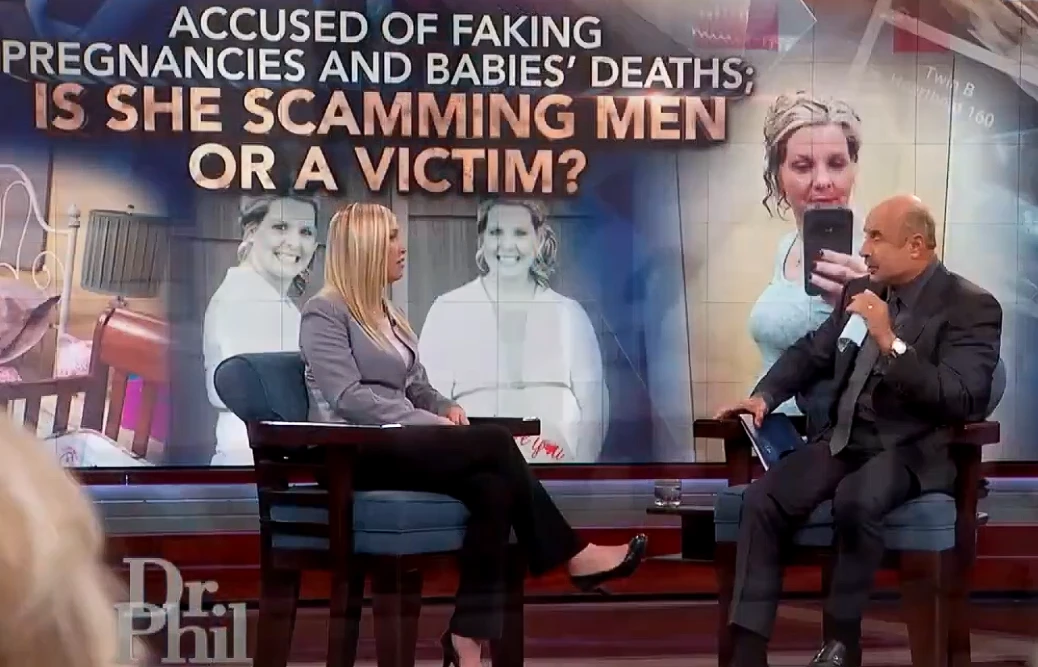
When stories become complicated, the simplest question often becomes the most powerful: what can actually be verified?
The Impact on the New Family
The boyfriend’s family appears to have been placed in a difficult position. They were asked to believe a life-changing claim while also being warned by strangers that a similar situation had happened before.
That kind of pressure can create emotional chaos. If they believe Amy, they may feel protective and excited. If they doubt her, they may feel guilty for questioning something so personal. If they ask for proof, they may be accused of being unsupportive.
This is why repeated misleading claims can be so damaging. They do not only affect the person making them. They affect families, partners, siblings, and even unrelated people who step in trying to prevent harm.
The speaker says they sent the family “a few of the ultrasounds and maternity pictures” and “emails from the coroner’s office” to show that earlier events had happened and “it could happen to you.”
Whether every action taken by the group was ideal or not, the motivation appears to be warning. They believed the new family deserved information before becoming further involved.
Situation Judgment
Based on the segment, the central issue is not simply whether Amy made a pregnancy announcement. The larger concern is the repeated lack of clear proof when proof was reasonably requested.
The boyfriend’s request for a pregnancy test was not unreasonable. If someone is being told they are about to become a parent, direct confirmation matters. A hospital document based on reported symptoms does not carry the same weight as confirmed testing.
The former friend’s decision to contact the family may feel invasive from one angle, but it becomes more understandable if she genuinely believed a repeated pattern was unfolding. Her concern was that another family could be pulled into a confusing emotional story without knowing the history.
The strongest concern is the pattern of shifting explanations. When a story changes repeatedly and basic proof is not provided, trust naturally breaks down.
Final Lesson
This Dr. Phil segment offers a broader lesson about trust, proof, and the emotional consequences of public personal claims.
Pregnancy announcements, family expectations, and future parenting plans are not casual statements. They affect real people. They create emotional investment, financial decisions, family conversations, and long-term expectations.
When those claims are unclear, inconsistent, or unsupported by basic proof, the damage can spread quickly. Partners feel misled. Families feel confused. Friends feel responsible for warning others. Authorities may be pulled in to verify crisis messages. What begins as one announcement can become a much larger emotional event.
The lesson is not that every private matter must be shared publicly. The lesson is that serious claims require honesty, consistency, and accountability. If trust has already been broken, proof becomes even more important.
In the end, Dr. Phil’s discussion shows that the truth matters not only because it settles facts, but because it protects families from making emotional decisions based on uncertainty. When people’s lives are involved, clarity is not optional. It is the foundation of trust.