Can a Marriage Recover After Years of Control, Conflict, and Resentment?
A woman tells Dr. Phil that the caring man she married became controlling shortly after their wedding. The discussion examines changing relationship dynamics, communication breakdown, family stress, and whether trust can be rebuilt after years of conflict.
Relationships often begin with excitement, trust, and optimism about the future. But for Brenda, the marriage she hoped would bring stability and happiness gradually became a source of daily stress. She tells Dr. Phil that the thoughtful, considerate man she dated changed dramatically after they married, leaving her feeling trapped in a relationship filled with constant arguments and emotional exhaustion. Her husband, Don, believes the problems began because of broken trust and unresolved conflicts that neither of them has been able to move beyond. Rather than deciding who is right or wrong, Dr. Phil explores how disappointment, communication failures, and unmet expectations transformed what once seemed like a promising relationship into a marriage both spouses now struggle to recognize.
A Relationship That Began With Hope
Brenda remembers the beginning of the relationship with warmth and affection. She recalls, “When I first met Don he was so nice and so friendly.” She describes him as “such a gentleman,” explaining that he opened doors for her, surprised her with flowers, and made her feel appreciated.
Don remembers those early years just as positively. He says Brenda was “a great girlfriend” and that “everything just seemed to click.”
The couple also acknowledges the significant age difference between them. Brenda explains, “I’m 26 years younger than Don.” Although they discussed it early in the relationship, both insist it never felt like an obstacle. In fact, Brenda admits that the difference “kind of attracted me to him” because it felt exciting and different.
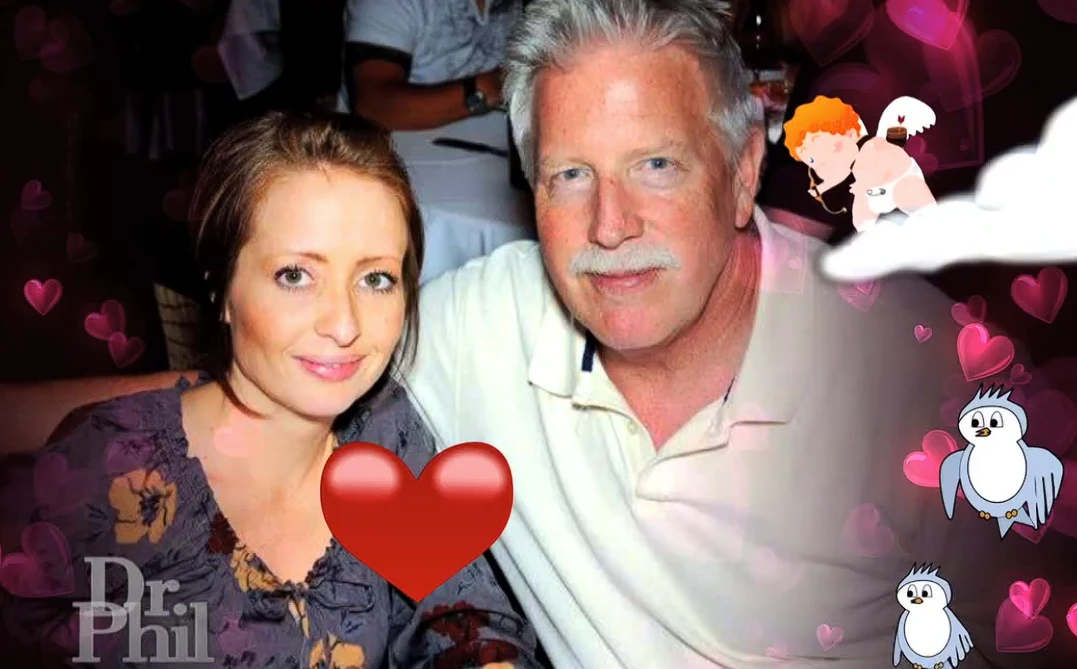
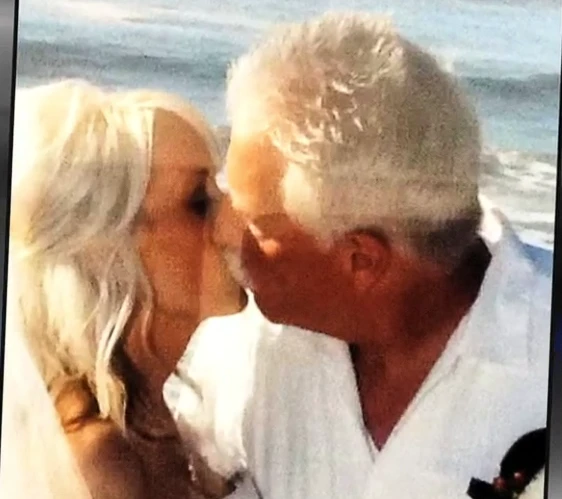
After dating for several years, Brenda became pregnant. She says she was happy when she learned she was expecting, and soon afterward the couple began discussing marriage. They planned a small wedding, and Brenda explains, “I wanted to marry Don because I loved him and I wanted to be married to the father of my child.”
At that point, both imagined they were building a stable future together. Neither expected how dramatically their relationship would change in the years that followed.
A Marriage That Changed After the Honeymoon
Brenda says the turning point came almost immediately after the wedding.
She tells Dr. Phil, “Don tricked me.” Explaining what she means, she says, “He was so nice in the beginning and instantly after we got married he changed into a whole another person.”
According to Brenda, she quickly began noticing behaviors she had never seen while they were dating.
“Shortly after we were married I realized that Don was controlling,” she says.
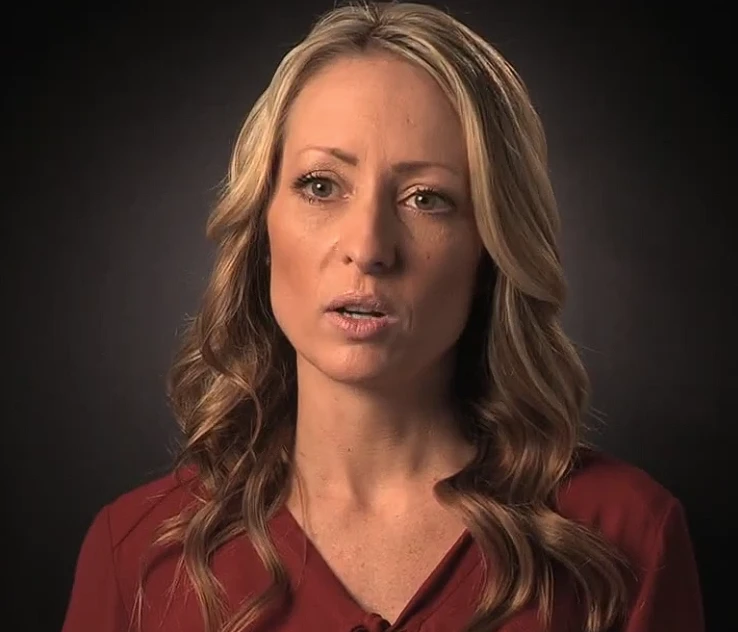
Feeling that a partner has fundamentally changed after marriage is one of the most difficult experiences many couples describe. Whether the change reflects newly emerging behavior, different expectations, or unresolved personality differences, it often leaves one partner wondering whether they truly knew the person they married.
For Brenda, that feeling becomes the foundation of nearly every complaint she shares throughout the interview.
Don Believes Trust Was Broken Too
While Brenda believes the marriage changed because Don became controlling, Don describes a different beginning to their problems.
He says that after the wedding he discovered Brenda had debt she had never discussed before marriage.
“We started getting calls from a bank,” he explains.
His emotional reaction is clear.
“I felt deceived.”
This detail is important because it demonstrates that both spouses believe trust was broken, but for very different reasons.
Brenda believes Don changed his personality after the wedding.
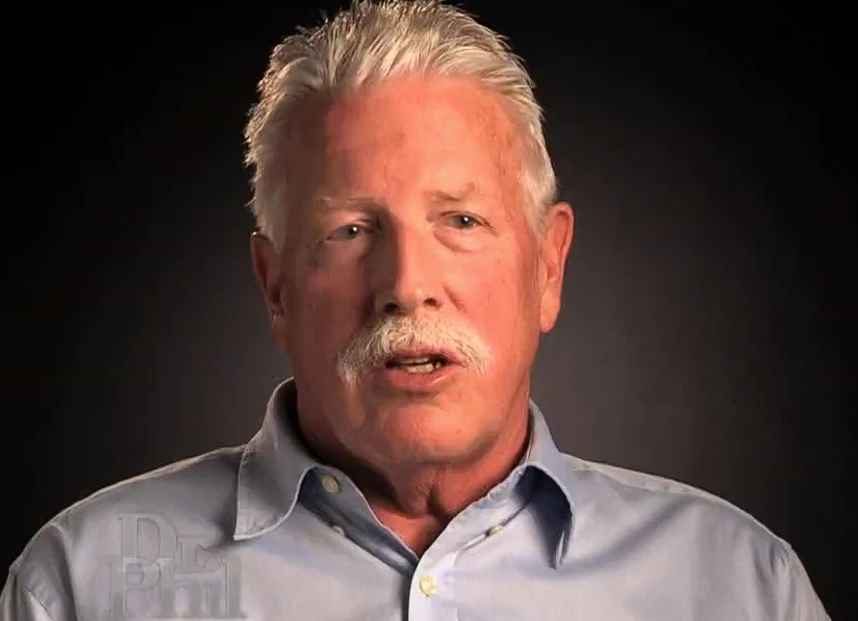
Don believes Brenda concealed important financial information before the wedding.
When two people begin a marriage carrying different versions of how trust was damaged, every future disagreement becomes harder to resolve.
Daily Arguments Over Everyday Situations
As the marriage continued, Brenda says even ordinary household situations became sources of conflict.
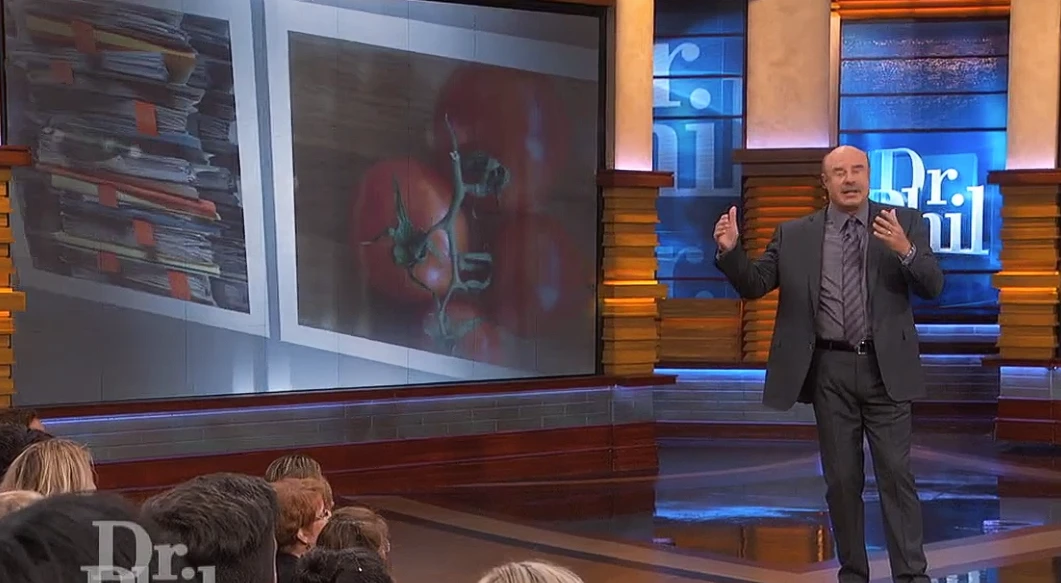
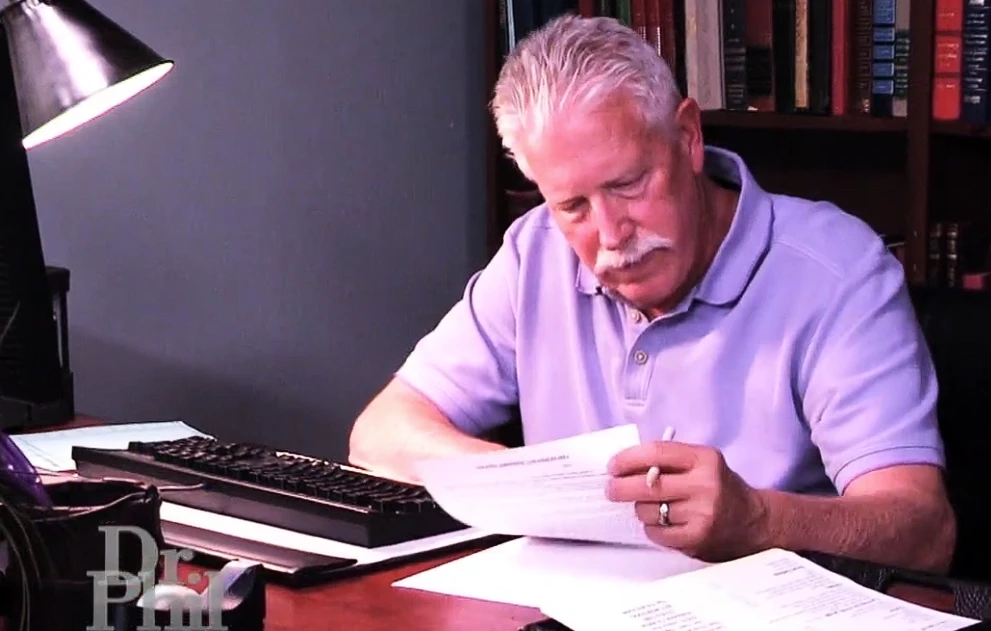
She describes Don as someone who keeps large piles of papers throughout the house.
She jokes that some receipts date back many years, including “an ’07 receipt from McDonald’s.”
According to Brenda, moving or organizing those papers often triggered emotional reactions.
She says Don became upset whenever she touched them.
Ironically, she also describes Don as “a complete neat freak” while simultaneously calling him “a slob.”
Her point is that although he expects things to be done a certain way, she still feels responsible for constantly cleaning after him.
She summarizes her frustration by saying, “I feel like I have an elf behind me.”
These may sound like small disagreements, but repeated arguments over daily routines often become symbols of much deeper relationship dissatisfaction.
When the Children Become Part of the Conflict
The couple now has two children together, and Brenda believes the tension has begun affecting family life.
She says, “Don gets annoyed when I pay attention to the kids.”
Then she adds something even more revealing.
“I feel like the kids exist and I don’t.”
This statement reflects more than frustration. It suggests Brenda feels emotionally invisible within the relationship.
Parents naturally devote enormous attention to raising children, but healthy marriages also require spouses to feel respected and valued by one another.
When one partner consistently feels overlooked, resentment often grows quietly over time until even small disagreements become emotionally charged.
Conflict That Escalates Quickly
Brenda describes a relationship where arguments begin over surprisingly ordinary situations.
She recalls one incident where Don “blew up” because she was “bagging groceries the wrong way.”
As arguments intensify, she says, “Things are said that we can’t take back.”

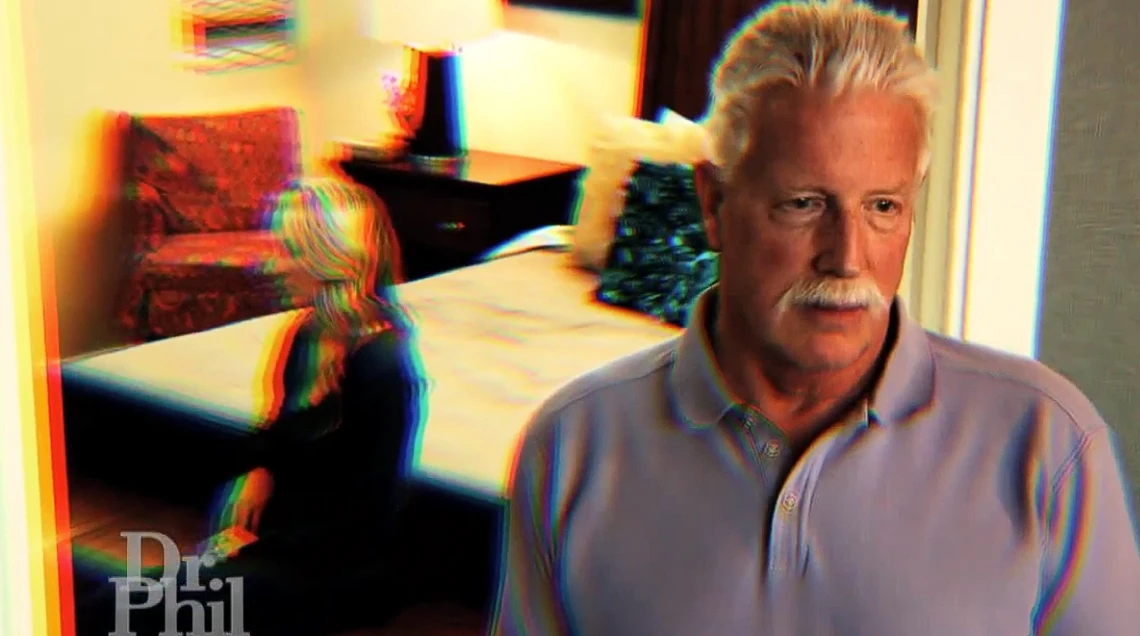
The interview also includes footage of the couple arguing at home.
During one exchange, both accuse each other of inappropriate behavior, interrupt repeatedly, and struggle to finish complete sentences before another argument begins.
Rather than resolving disagreements, each discussion appears to reinforce old frustrations.
Over time, that communication pattern creates emotional distance that becomes increasingly difficult to repair.
Living Separate Lives Inside the Same House
Brenda eventually reaches a painful conclusion.
She says, “There’s so much built-up anger that we sleep in separate bedrooms.”
Sleeping separately is not necessarily unusual for every couple, but in this case Brenda presents it as another sign that emotional intimacy has largely disappeared.
She even tells viewers, “If things don’t change with Don, the kids and I will have to leave.”
That statement reflects how serious the situation has become in her mind.
Rather than asking how to improve communication, she is already considering whether remaining together is still possible.
Don Says He Wants to Save the Marriage
Unlike Brenda, Don says he never wanted to appear on Dr. Phil.
He explains, “I was given the ultimatum that either I agree to go on Dr. Phil or this is over.”
Dr. Phil responds honestly, saying he also does not enjoy speaking with people who do not want to participate.
However, Don quickly clarifies his position.
“I do want to save this marriage.”
He also explains that counseling has been discussed before.
According to Don, previous counseling appointments were arranged but never completed.
Whether both spouses remember those events the same way is less important than recognizing that repeated attempts to solve problems have not produced lasting change.
Dr. Phil Challenges Don’s Willingness to Look Inward
One of Dr. Phil’s first questions goes beyond the daily arguments.
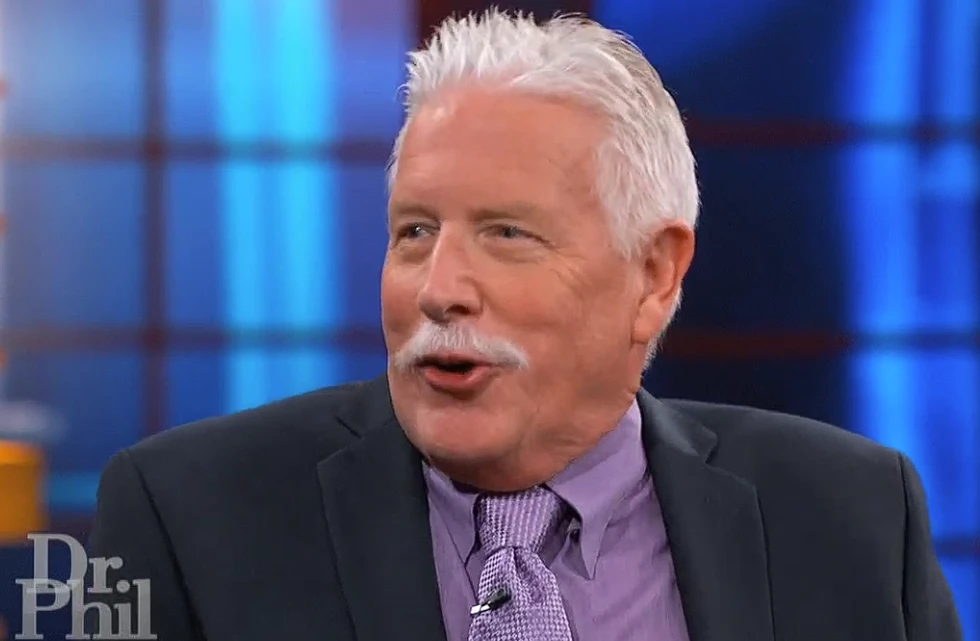
He asks Don, “Are you willing to be completely honest?” Then he follows with an even more important question: “Do you think you have the capacity for insight?”
Don answers confidently, “Yes.”
He even adds, “I think I’m the only one that’s doing that.”
Dr. Phil does not argue immediately.
Instead, he says, “We’ll test that out in a minute.”
This exchange highlights one of Dr. Phil’s consistent themes. Healthy relationships require more than believing the other person needs to change. They require each partner to honestly examine their own contribution to the conflict.
Sixty-Three Emails Reveal Desperation
Near the end of the segment, Dr. Phil reveals something unexpected.
He tells Don, “You wrote me 63 emails in a five-week period.”
Some messages criticized Brenda.
Others criticized Dr. Phil before they had even met.
When Dr. Phil jokingly asks, “What did I do?” Don answers simply, “I was desperate.”
That single sentence offers another perspective on the marriage.
Although Brenda feels trapped, Don also appears overwhelmed. His repeated emails suggest someone searching urgently for validation, understanding, or a solution.
Desperation often appears differently in different people. One partner withdraws emotionally. Another argues constantly. Another searches endlessly for someone who will finally understand their point of view.
Situation Judgment
This marriage appears to have been damaged by years of unresolved disappointment rather than one single event. Brenda believes Don became controlling after the wedding, while Don believes trust was broken when he discovered financial information he says had not been disclosed before marriage. Those competing narratives have shaped nearly every disagreement since.
As the conflict continued, everyday frustrations evolved into persistent arguments, emotional distance, and separate bedrooms. Both spouses now describe feeling misunderstood, while communication has become increasingly defensive instead of constructive.
Dr. Phil’s early questions suggest that before the marriage can improve, both Brenda and Don must move beyond proving who is more at fault and begin examining how each person’s behavior contributes to the cycle of conflict.
Final Lesson
This Dr. Phil segment illustrates how quickly a relationship can change when trust begins to erode and communication breaks down.
Both Brenda and Don remember the early years with affection. They describe kindness, excitement, shared dreams, and the hope of raising a family together. Those memories remind viewers that many struggling marriages did not begin in conflict.
The discussion also highlights an important truth about long-term relationships. Small disagreements over finances, household habits, parenting, or communication rarely remain small when deeper emotional issues go unresolved.
Dr. Phil’s conversation encourages both spouses to develop greater self-awareness instead of focusing exclusively on each other’s mistakes. Honest reflection, respectful communication, and a willingness to recognize personal responsibility often become the first steps toward meaningful change.
Ultimately, lasting relationships are built not only on love at the beginning but also on honesty, flexibility, and the ability to face difficult conversations together before disappointment grows into permanent resentment.