Can a Family Heal After Years of Separation and Regret?
A mother admits she eventually stopped fighting for custody of her children after a difficult divorce. Dr. Phil challenges her decision while exploring parental responsibility, manipulation, forgiveness, and whether healing is still possible years later.
Family disputes involving custody often leave lasting emotional scars that continue long after court hearings end. In this emotional Dr. Phil segment, a mother admits that after years of conflict with her former husband, she eventually stopped fighting for custody and believed she would not see her children again until they became adults. Her daughter, however, arrives with a different goal—not revenge, but healing. As Dr. Phil carefully examines the mother’s decisions, the conversation becomes much more than a discussion about the past. It becomes a powerful lesson about parental responsibility, emotional exhaustion, manipulation during custody battles, and the importance of never giving up on a relationship with a child.
A Mother Forced to Face Her Past Decisions
The interview begins with Dr. Phil asking a simple but deeply personal question: “How do you feel about your role in all of this to date?”
The mother answers honestly. She says, “It’s been hard,” explaining that hearing everything that has happened confirmed fears she had carried “from a long time ago.” Her response immediately suggests that she has been living with regret long before appearing on the program.
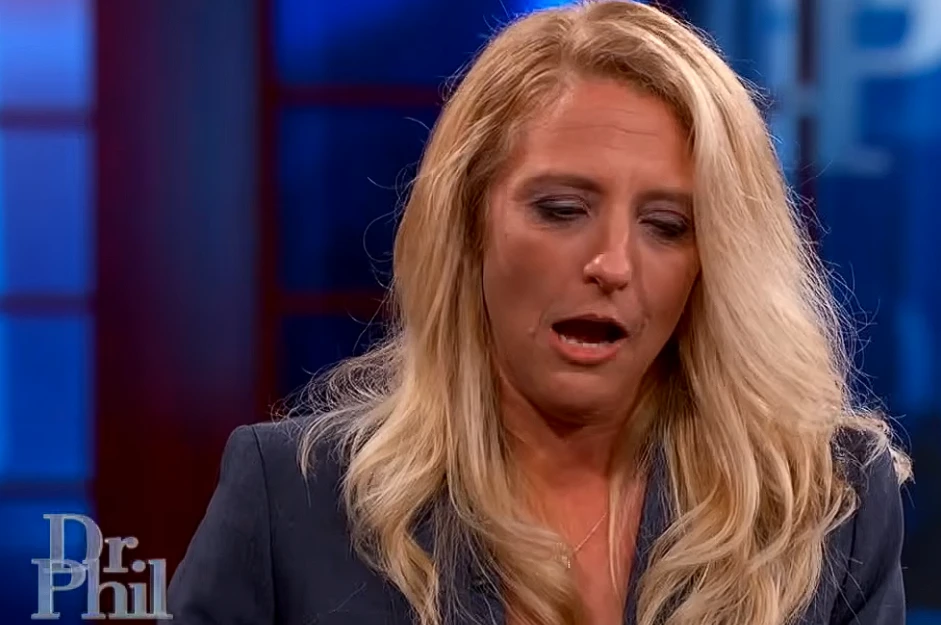
Rather than beginning with blame, Dr. Phil encourages her to reflect on her own choices. He acknowledges that difficult circumstances may have existed, but he wants to understand how those circumstances influenced the decisions she ultimately made.
This approach becomes the foundation of the conversation. Instead of asking only what someone else did wrong, Dr. Phil asks what each person could have done differently. That distinction transforms the discussion from accusation into accountability.
How the Father Gained Custody
Dr. Phil asks how the children ended up living with their father. The mother explains that during the divorce process, the children met with what she believes was either a doctor or a mediator.
She says she later learned that their father had encouraged the children to “lie to the mediator.” She adds that she had already suspected something unusual because “they didn’t let them even come with me.”
Whether every detail unfolded exactly as she remembers or not, her explanation reveals how powerless she felt during the custody proceedings. She believed decisions were being made that she could not control and that events were moving against her despite her efforts.

Dr. Phil immediately follows with an important question: “Did you fight for them?”
She answers without hesitation: “I did.”
That answer matters because it establishes that the story is not about a parent who never cared. It is about someone who says she fought for custody but eventually reached a point where she felt emotionally and financially exhausted.
The Moment She Stopped Fighting
The most emotional part of the interview comes when Dr. Phil reminds her of something she previously said on tape.
The recorded statement is difficult to hear. She says, “I finally just threw my hands up in the air and said I’ll see them when they’re 18.”
Dr. Phil immediately responds, “I’m stunned at that.”
His reaction is understandable because, for many parents, the idea of waiting years to reconnect with a child is almost impossible to imagine.

The mother explains that she believed she had been winning the custody battle until “everything just started going spiral down.” She describes continuing to fight until she reached a point where she felt she simply could not continue.
Emotional exhaustion is real. Long custody battles can drain parents financially, mentally, and emotionally. However, Dr. Phil carefully distinguishes between understanding exhaustion and accepting surrender.
Dr. Phil Challenges Her Most Difficult Decision
Dr. Phil does not allow the conversation to end with an explanation alone.
He reminds her of her exact words: “You said, ‘I just threw my hands up and said I’m done. I’ll see you when I’m 18.’”
Then he delivers one of the strongest moments in the segment.
He tells her, “Your daughter is here and she deserves for you to sit here and talk to her.”
The mother appears overwhelmed by emotion, but Dr. Phil continues encouraging accountability rather than avoidance.

He says, “You threw your hands up and said I’ll see you when you’re 18. Then don’t you throw your hands up and walk out on her again.”
This statement shifts the focus away from the past court case and into the present moment. Whatever happened years earlier cannot be changed. What matters now is whether she is willing to remain emotionally present for her daughter today.
The Conversation Becomes About the Daughter
When the mother hesitates to continue answering questions, Dr. Phil stops her.
He says, “This isn’t about you. It’s about her.”
That sentence becomes one of the central lessons of the episode.
Parents involved in painful custody disputes often carry years of frustration, disappointment, and resentment. Those emotions are understandable. However, children frequently carry their own unanswered questions throughout the same period.
Dr. Phil reminds the mother that, regardless of what happened with her former husband, her daughter deserves honest answers about why those years unfolded the way they did.
The discussion moves away from defending past decisions and toward helping the daughter understand what her mother was experiencing emotionally at the time.
Living With a Manipulative Former Partner
The mother explains that the custody fight became overwhelming because her former husband “was doing everything that he could possible to just make my life a living hell.”
Rather than dismissing her experience, Dr. Phil openly acknowledges it.
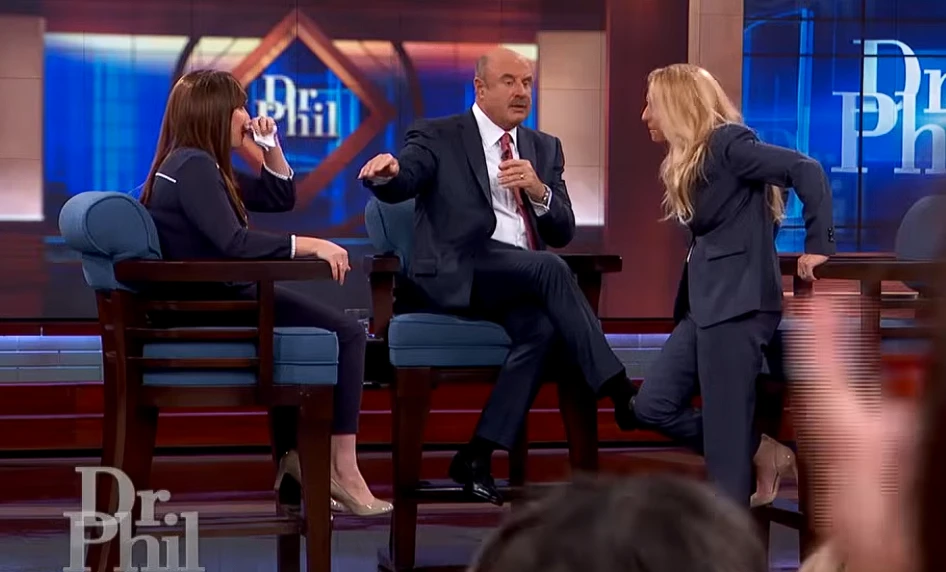
He says, “I realized this guy was a manipulative…” before explaining that he understands what she was facing.
He continues, “I totally get that.”
This is an important balance in the conversation.
Dr. Phil is not denying that manipulation may have occurred. He recognizes that difficult relationships and controlling behavior can create enormous barriers during custody disputes.
At the same time, he returns to the central question: what was happening in her mind when she decided to stop fighting?
Turning Personal Pain Into a Lesson for Others
One of the most meaningful moments comes when Dr. Phil explains why these conversations matter.
He tells the audience, “Everybody I have on this stage is a teaching tool.”
He continues by saying that if another mother and daughter somewhere in “Oregon… Florida… Texas… Arizona… New Mexico” are experiencing something similar, perhaps this family’s story can help them avoid making the same mistakes.
This perspective changes the purpose of the interview.
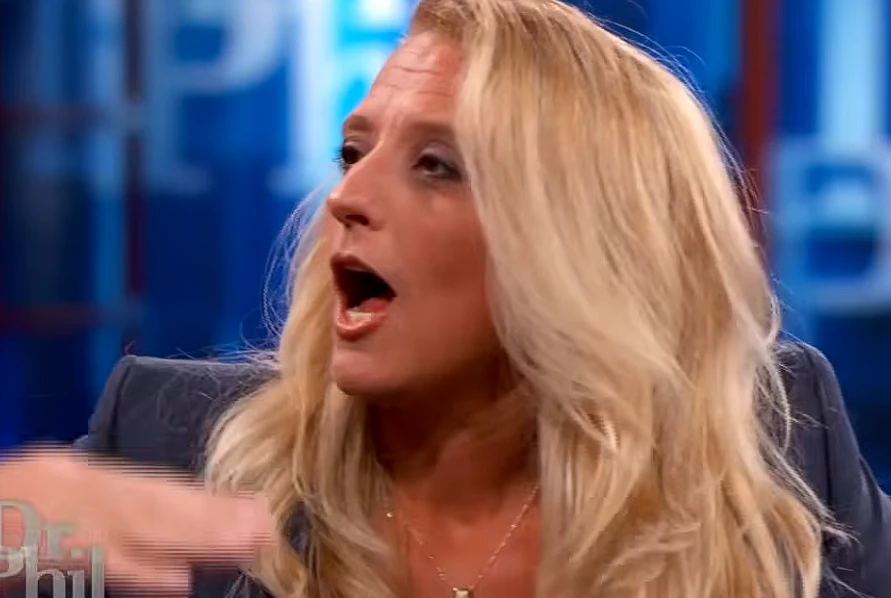
Instead of simply examining one family’s history, Dr. Phil encourages viewers to learn from it. Parents currently involved in difficult custody battles may recognize themselves in the mother’s exhaustion and reconsider giving up.
Likewise, adult children carrying unanswered questions may better understand how emotional pressure affected their parents’ decisions.
A Daughter Arrives With Forgiveness Instead of Anger
Perhaps the most hopeful moment comes when Dr. Phil reminds the mother why her daughter came to the show.
He says, “Your daughter comes here today with forgiveness in her heart saying I want to heal this family.”
That statement changes the emotional direction of the interview.
Rather than seeking punishment or revenge, the daughter is looking for understanding and reconciliation.
Many families never receive such an opportunity. Years of separation often harden into permanent silence.

In this case, the daughter is offering something remarkably generous: the possibility of rebuilding a relationship despite years of absence.
Looking Back With New Understanding
Dr. Phil then asks a question that many parents ask themselves after difficult life experiences.
“If you knew then what you know now…”
The mother immediately understands what he means.
She acknowledges that she would have fought differently.
Dr. Phil says, “You would have run him down the street if you had to.”
The mother quietly responds, “I know that.”
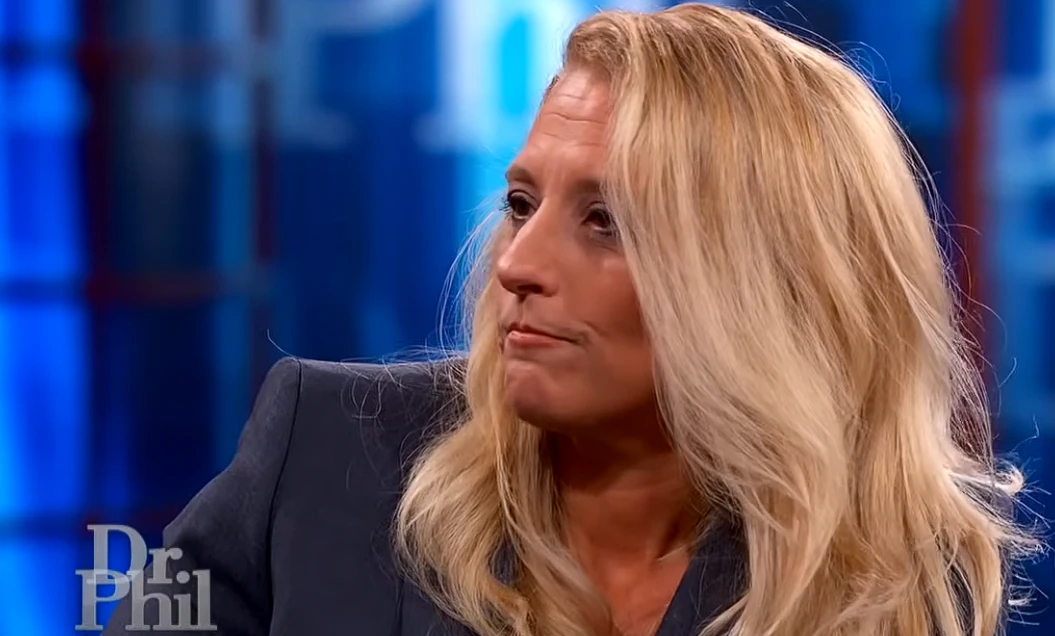
Dr. Phil immediately clarifies that he is speaking figuratively, adding, “Use the system. Go to the police. Go to the court. Don’t resort to violence.”
His point is clear. Parents facing manipulation should continue using lawful resources rather than surrendering because of emotional exhaustion.
The Difference Between Giving Up and Asking for Help
One of the strongest lessons from the episode is the difference between reaching emotional exhaustion and deciding to stop seeking help.
The mother believed she had exhausted every option available to her.
Dr. Phil acknowledges how manipulative situations can overwhelm people. However, he also suggests that giving up entirely may create consequences that last for decades.
Parents facing difficult custody disputes often need legal assistance, counseling, family support, and continued advocacy rather than isolation.
The conversation encourages viewers to recognize that asking for additional help is different from surrendering hope.
Situation Judgment
The mother’s regret throughout the interview appears genuine. She openly admits that she reached a point where she believed continuing the custody fight was impossible.
Dr. Phil also acknowledges that she may have faced manipulation from her former husband, making the situation far more complicated than a simple decision to stop trying.

At the same time, the interview demonstrates that children often remember the result more than the legal process. Regardless of how difficult the custody battle became, the daughter experienced years without the relationship she wanted with her mother.
The strongest message is that difficult circumstances may explain painful decisions, but they do not erase the emotional impact those decisions have on children.
Final Lesson
This Dr. Phil segment is ultimately about hope rather than blame.
The mother cannot change the custody battle that happened years ago. Her daughter cannot recover the childhood they lost together. What both still possess, however, is the opportunity to begin rebuilding trust today.
The conversation also serves as an important reminder for parents currently navigating difficult custody disputes. Manipulation, discouragement, and emotional exhaustion can make even the strongest people feel defeated. Yet every decision made during those years may continue affecting a child long into adulthood.
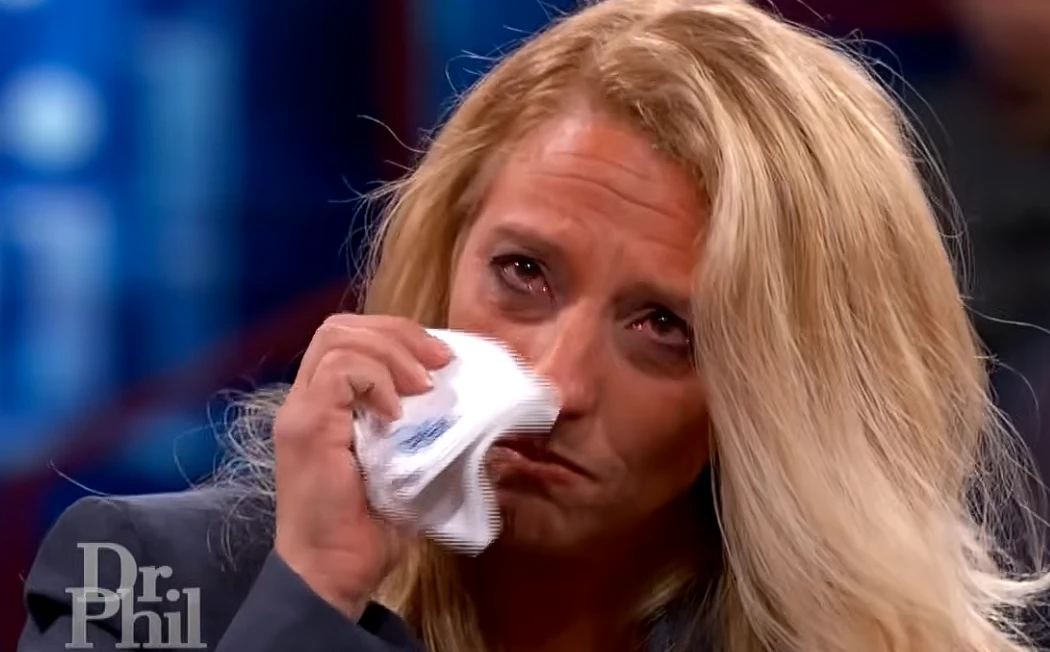
Dr. Phil’s challenge is not simply to this mother but to every parent watching: do not allow hopelessness to become the final chapter of your relationship with your child. Continue using lawful support systems, continue seeking help, and continue showing your child that they remain worth fighting for.
In the end, the daughter’s willingness to forgive offers the most powerful lesson of all. Healing cannot erase the past, but honesty, accountability, and the courage to face painful conversations can become the first steps toward building a healthier future together.