Age Gap, Blended Families, and Financial Concerns Lead to a Heated Family Dispute
A 19-year-old questions her father’s engagement to a woman nearly her own age, claiming the relationship is driven by financial motives. Dr. Phil explores family conflict, trust, blended-family challenges, and the importance of evidence over assumptions.
Large age differences in relationships often attract attention, but they do not automatically determine whether a relationship is genuine. In this Dr. Phil episode, 19-year-old Brie believes her 53-year-old father’s engagement to his 24-year-old fiancée, Brooke, is motivated by financial security rather than love. Brooke strongly rejects those accusations, insisting she is committed to building a future with David and their blended family. As both women present their perspectives, Dr. Phil shifts the discussion away from emotional labels and toward a deeper examination of trust, family boundaries, financial independence, and the challenges that arise when a new relationship changes long-established family dynamics.
A Surprise Engagement That Changed Everything
The episode begins with Brie describing a discovery that completely changed her relationship with her father.
She says, “Just a few weeks ago I found out my 53-year-old dad got engaged to his 24-year-old girlfriend Brooke.”
The age difference immediately becomes the focus of her concern.
“The crazy thing is Brooke is only four years older than me,” Brie explains.
For Brie, the issue is not simply the engagement itself. The fact that her future stepmother belongs to nearly the same generation makes the situation emotionally difficult to accept.

Meanwhile, Brooke describes the relationship very differently.
She recalls meeting David about a year earlier and says, “I thought, wow, this guy is really hot.”
When asked about their age difference, Brooke answers confidently, “It doesn’t bother me. We’re both happy.”
From the very beginning, the two women interpret the same relationship through completely different perspectives. Brie sees warning signs. Brooke sees a relationship built on mutual happiness.
Moving In Without a Family Conversation
The situation became even more complicated only a few months after the couple started dating.
Brooke explains, “A few months after dating David, he asked me to move in with him with my two children.”
For Brooke, moving in represented the natural next step in their relationship.
For Brie, however, the experience felt completely different.
She remembers walking into the house and saying, “What the hell is this woman doing in our house?”
According to Brie, Brooke simply replied, “I live here.”
What hurts Brie most is not only that Brooke moved in.
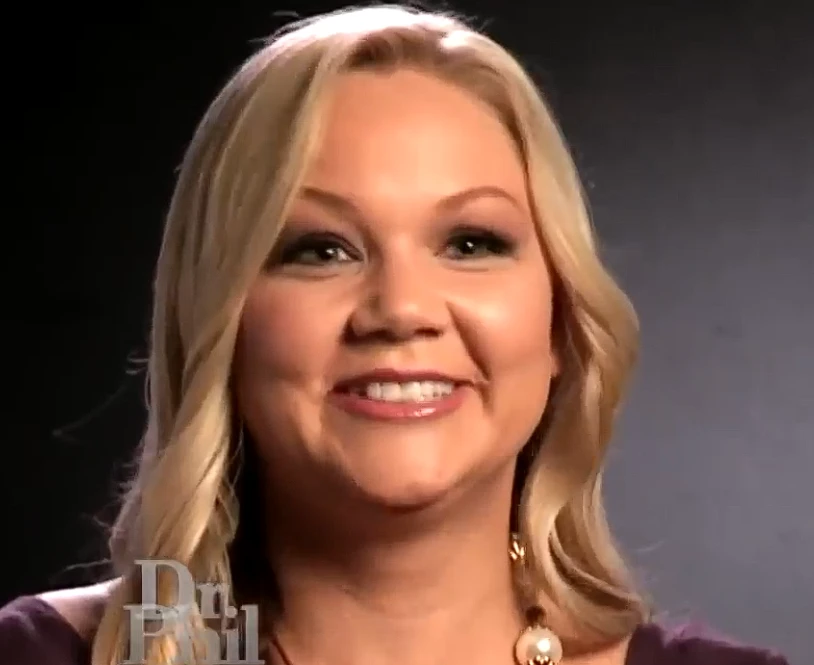
She says, “My dad didn’t even ask me or tell me.”
That statement reveals one of the deepest emotional themes in the episode. Brie feels excluded from an important family decision. Although David has every right to build a new relationship, Brie believes the transition happened without any meaningful communication.
A Daughter Who No Longer Felt Comfortable at Home
Brie says life inside the home changed almost immediately after Brooke and her children moved in.
She explains, “I didn’t even want to bring my friends over to the house.”
She adds that she did not want to explain that “this girl living in our house was my dad’s girlfriend—let alone my future stepmom.”
Her wording reflects embarrassment rather than simple disagreement.
For many adult children, a parent’s new relationship requires emotional adjustment. In Brie’s case, that adjustment became much harder because she believed the changes happened suddenly and without her input.
Whether David intended to exclude his daughter or simply focused on building his new relationship, the result was the same from Brie’s perspective. She no longer felt entirely comfortable in what had once been her own family home.
Strong Accusations Quickly Follow
As the discussion continues, Brie becomes increasingly direct about her opinion of Brooke.
She says, “I can’t stand to be around her.”
She describes Brooke as “very superficial and fake.”
Then she makes the accusation that becomes the title of the episode.

“I feel like she’s a scheming gold digger.”
Brie continues by explaining why she believes this.
She says Brooke “doesn’t have a job” and that she and her two children are “completely reliant on my dad.”
From Brie’s perspective, financial dependence creates suspicion about Brooke’s motives.
However, financial dependence alone does not necessarily explain why someone entered a relationship. Many couples organize finances differently depending on employment, childcare responsibilities, or personal circumstances.
Dr. Phil encourages viewers to distinguish between concerns and conclusions. Suspicion may explain why someone asks questions, but it does not automatically prove intent.
Brooke Rejects Every Accusation
Brooke responds firmly to Brie’s claims.
She believes Brie would have rejected any woman who entered David’s life.
“Brie would be upset if any woman came into her dad’s house,” she says.
Rather than describing herself as manipulative, Brooke argues that the real issue is Brie’s unwillingness to accept change.
She says Brie acts “like a spoiled brat.”
She also describes Brie as “messy” and “lazy.”

Brooke explains that their arguments have become personal.
According to her, Brie has insulted her repeatedly, calling her offensive names and telling her she was “crazy.”
These exchanges demonstrate how quickly disagreements over one relationship evolved into constant personal criticism.
When Family Conflict Becomes Personal
One of the strongest themes throughout the segment is how rapidly communication deteriorates.
Instead of discussing concerns calmly, both women begin describing each other using negative labels.
Brie believes Brooke is manipulative.
Brooke believes Brie is controlling.
Brie questions Brooke’s financial motives.
Brooke questions Brie’s maturity.
Once conversations reach this stage, solving the original disagreement becomes increasingly difficult.
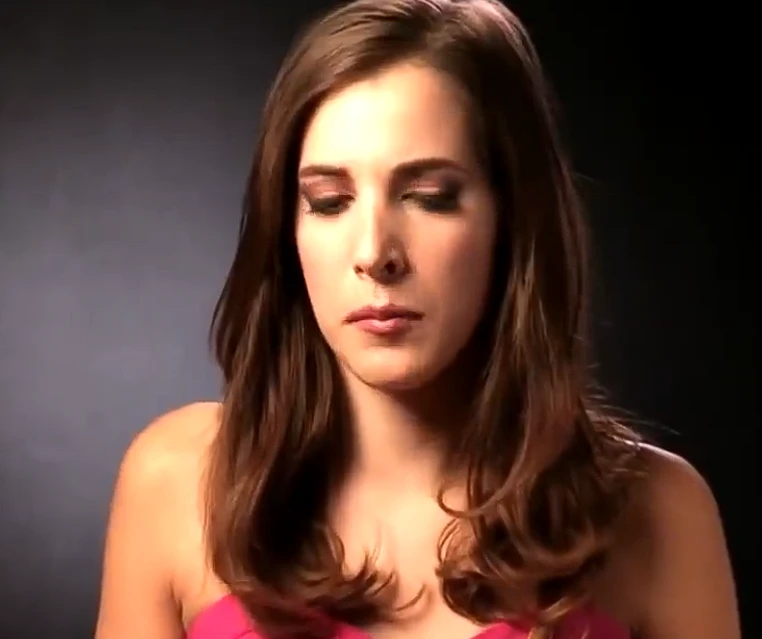
People stop responding to specific actions and instead begin defending their entire character.
Dr. Phil frequently reminds families that labeling one another rarely creates understanding. Instead, it often deepens emotional distance.
Financial Dependence Raises Difficult Questions
One issue that deserves thoughtful discussion is financial independence.
Brie repeatedly points out that Brooke is not working and that David provides financial support for the household.
From Brie’s perspective, this naturally creates concern.
However, Dr. Phil’s broader approach encourages viewers to avoid making assumptions based solely on financial arrangements.
Many families choose different financial structures depending on childcare responsibilities, education, health, or career transitions.
The more important question is whether both partners are entering the relationship honestly, respectfully, and with shared expectations.
Without evidence of deception, financial dependence alone cannot determine someone’s motivations.
The Challenge of Blended Families
This episode also highlights the complexity of blended families.
David is beginning a new chapter with Brooke while Brooke brings two children into the household.
At the same time, Brie is trying to understand how her own place within the family is changing.
Transitions like these are rarely easy.

Adult children may worry about losing time with a parent, changes in family traditions, or uncertainty about new relationships.
Likewise, new partners may feel they are being judged before they have had an opportunity to build trust.
Successful blended families usually require open communication, patience, and time rather than expecting immediate acceptance.
Dr. Phil’s Bigger Message
Although the discussion begins with accusations about money, Dr. Phil’s broader message is about evidence, communication, and respect.
Serious accusations should be supported by facts rather than assumptions.
At the same time, parents introducing significant life changes should recognize how those decisions affect their children emotionally.
Brie clearly feels excluded from important family decisions.
Brooke clearly feels unfairly judged before having an opportunity to build a relationship.

Neither concern should be ignored.
The healthiest path forward depends on replacing suspicion and personal attacks with honest conversations about expectations, boundaries, and mutual respect.
Situation Judgment
Based on the discussion presented in the segment, Brie’s concerns appear to be driven by more than the age difference alone. She feels surprised by the speed of the relationship, excluded from important family decisions, and uncertain about Brooke’s financial dependence on her father.
At the same time, Brooke consistently denies having financial motives and believes Brie’s resistance would have existed regardless of who David chose to marry. The available discussion does not establish evidence that Brooke entered the relationship for financial gain.
The stronger issue appears to be communication. David’s decision to move his new family into the home without preparing Brie for such a major transition likely intensified emotions that were already difficult to manage.
Final Lesson
This Dr. Phil segment demonstrates that family conflicts often become more complicated when assumptions replace conversations.
Large age differences, blended families, and changing financial arrangements naturally raise questions. However, lasting relationships should be evaluated through consistent behavior rather than stereotypes or labels.
Parents beginning new relationships should remember that major life changes affect their children emotionally, even when those children are becoming adults. Honest communication before important decisions can prevent misunderstandings from growing into long-term resentment.

Likewise, adult children deserve the opportunity to express concerns, but those concerns become most productive when they focus on specific actions rather than assumptions about someone’s intentions.
Ultimately, trust is built through openness, respect, and time. Whether a blended family succeeds depends less on age differences or public opinions and far more on the willingness of every family member to communicate honestly while giving one another the opportunity to earn trust through their actions.