A Teen Refuses School While Struggling With Grief, Bullying, and Anxiety
A 17-year-old argues with his mother about going to school, but Dr. Phil looks beyond the rage to uncover deeper issues involving grief, bullying, panic attacks, communication breakdown, and a teenager who says he does not feel understood.
At first, the video looks like a simple argument between a teenager and his mother about school. He refuses to go, raises his voice, and tells her he cannot take it anymore. But when Dr. Phil asks him to explain what was really happening, the situation becomes much more complex. The teen says he was grieving a friend, dealing with bullying, experiencing panic attacks, and feeling like his mother never truly heard him. What begins as a school conflict becomes a deeper conversation about emotional pain, communication, accountability, and the challenge of helping a teenager who feels overwhelmed but still needs boundaries.
A School Argument That Quickly Escalates
Dr. Phil begins by asking the teen a direct question: “Do you think you have the right to yell and scream and rage at your parents?” This immediately frames the problem as more than a disagreement about education. The issue is how the teen expresses anger when he feels cornered.
Dr. Phil then shows him a video he has not seen. In the clip, his mother asks, “What are we gonna do about school?” The teen responds, “I don’t want to do school.”
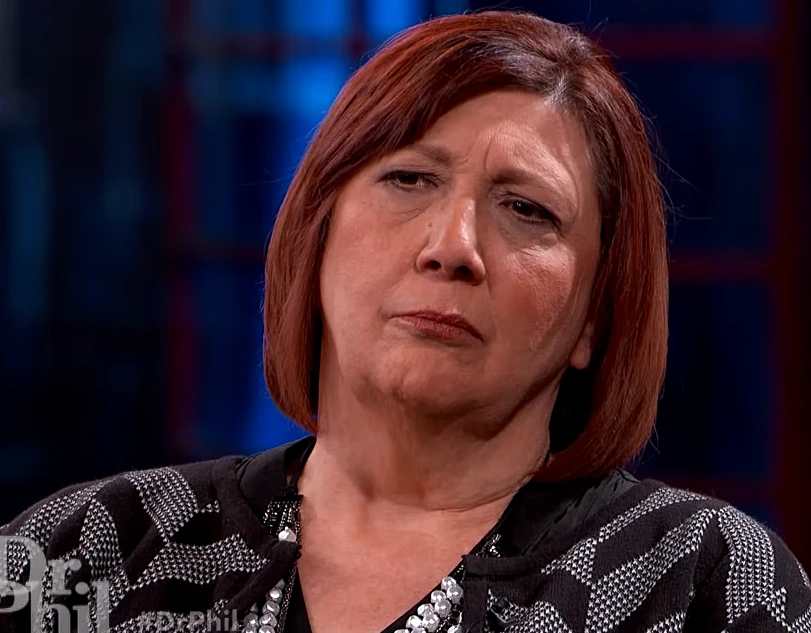
That answer sounds simple, but the argument immediately grows more intense. His mother reminds him, “We already agreed that we could do this,” referring to school or homeschooling arrangements. The teen pushes back by saying he has already tried. He says, “Don’t tell me I didn’t do homeschooling ’cause I did.”
This exchange reveals a common family conflict: the parent sees refusal, while the teenager sees exhaustion. His mother believes he needs structure. He believes he has already reached his limit.
The most emotional line comes when he says, “I can’t take you anymore. You never understand anything.” That statement is not only about school. It is about feeling unseen.
Refusing School Is a Symptom, Not the Whole Problem
The visible conflict is education. The deeper conflict is emotional overload.
In the video, the mother insists, “You need to go to school.” The teen answers, “Not going to school.” He then demands that she “delete that video” and says he will call the police.
At 17, he argues, “I’m an old person. I could do that.” The wording may sound immature, but it shows how he is trying to assert control. He feels filmed, exposed, and pressured. Calling authorities becomes, in his mind, a way to reclaim power in a situation where he feels powerless.
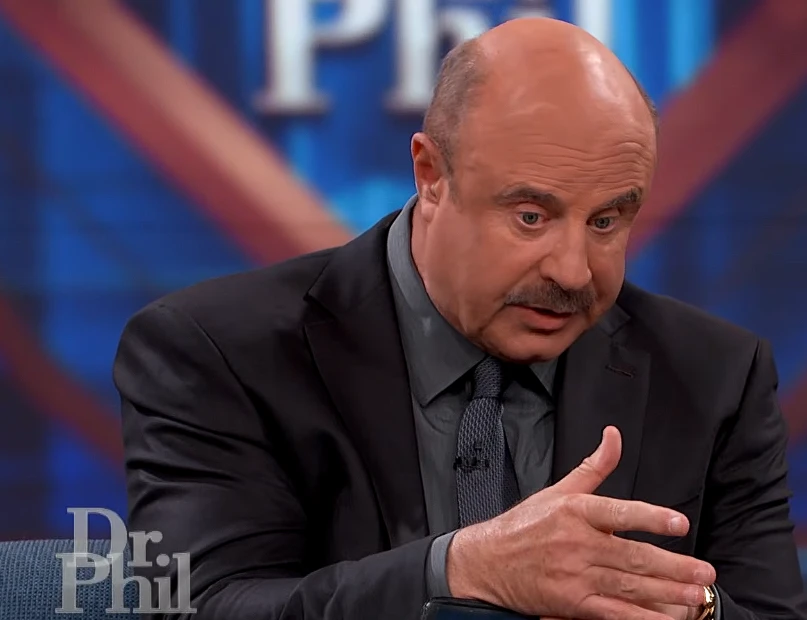
Still, Dr. Phil’s opening question matters. Feeling upset does not give someone the right to rage at a parent. A teenager’s pain may explain behavior, but it does not automatically excuse it.
That distinction is central to the episode. Dr. Phil is not dismissing the teen’s pain. He is asking whether the way he expresses it is helping or hurting the situation.
The Grief Behind the Anger
After watching the video, Dr. Phil asks, “What’s it about?”
The teen explains, “I was very angry and my mom wasn’t hearing me out.” Then he shares a painful detail: “I was going through a lot. My friend just had committed suicide.”
Because the topic is sensitive, the most important point is not the details of the friend’s death. The key issue is the teen’s grief. He connects his emotional state to the loss of someone close to him and says bullying was also involved.
He explains, “It doesn’t help being bullied because I was.” He adds that he believed bullying played a role in what happened to his friend. Whether he fully understands the situation or not, he is clearly carrying fear, sadness, and unresolved emotional pain.
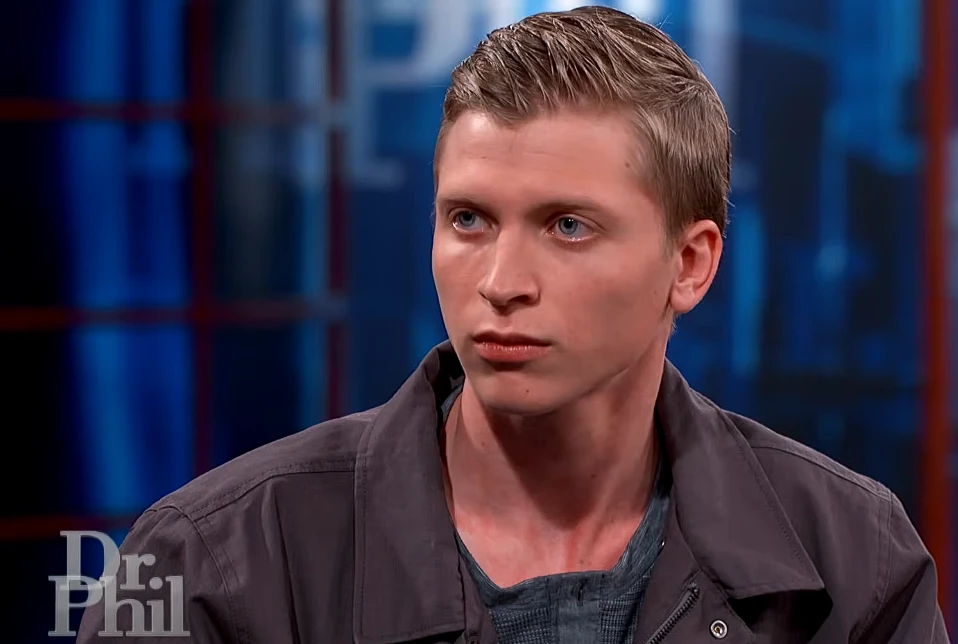
He says, “I just came home mad that day.” Then he explains what he really wanted: “I just wanted her to understand my pain.”
This is the emotional core of the segment. The argument about school was the surface. Underneath it was a teenager trying to communicate distress but doing so through anger instead of words his mother could easily receive.
“I’m Not Okay”
Dr. Phil listens and reflects back what he hears.
The teen says, “You can tell I’m not okay.” Dr. Phil responds, “You’re not okay most of the time?” The teen answers, “Exactly.”
That exchange matters because it moves the conversation from behavior to condition. The teen is not simply saying he had one bad day. He is saying his emotional state has been unstable for some time.
Dr. Phil then asks whether he wants his mother to “see things through your eyes” and “stand in your shoes.” The teen says, “Yes sir.”
This desire is understandable. Many teenagers in distress do not only want adults to set rules. They want adults to understand what the world feels like from inside their mind.

However, Dr. Phil immediately introduces another side of the issue. If the teen wants his mother to understand him, he also has to be honest and consistent enough for her to know what is true.
Dr. Phil Points Out the “Moving Target” Problem
Dr. Phil gently but directly challenges the teen.
He says, “But yet you say you lie and manipulate, which makes you a moving target.”
This is one of the most important lines in the conversation. Dr. Phil is not using the teen’s admission to shame him. He is explaining why his mother may struggle to understand him.
If a teenager changes stories, hides facts, or manipulates situations, parents may not know when to trust what they hear. That makes emotional support harder.
Dr. Phil explains, “It’s hard to know who you are, where you are.” In other words, if the teen wants to be understood, he must also become more transparent.
This is a balanced message. The mother needs to listen better, but the teen also needs to stop making himself impossible to read.
Panic Attacks and Emotional Overload
Dr. Phil then asks about panic attacks.
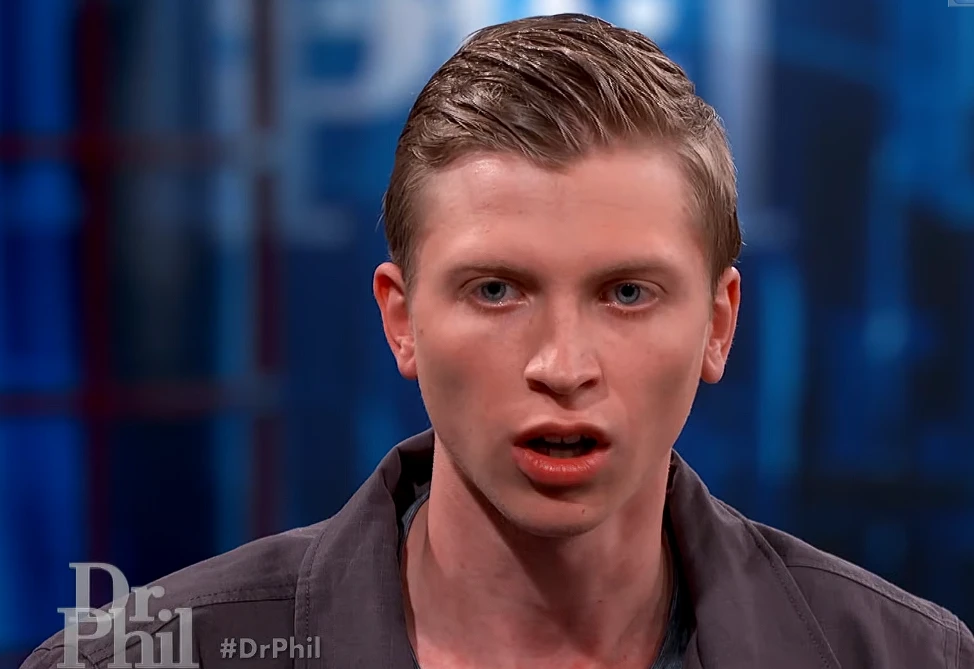
The teen describes them clearly: “Can’t breathe at all. You start shaking a lot. You don’t remember much.” He says that after one ends, “you just feel like a zombie.”
Dr. Phil summarizes, “So it just washes you out?” The teen agrees.
This description helps explain why school may feel overwhelming to him. If he associates school, bullying, harassment, or social pressure with panic, then refusing school may feel like self-protection rather than simple rebellion.
The teen says the attacks happen when he is put in “a really bad situation.” He specifically mentions being “harassed and threatened,” explaining that he did not know how to react.
That context matters. The family may be focused on attendance, but the teen is focused on fear. Until both sides address that fear directly, the school conversation will continue turning into conflict.
The Parent’s Challenge: Compassion Without Losing Boundaries
The mother’s position is also understandable. She sees a 17-year-old refusing school, yelling, and rejecting agreements. From a parent’s perspective, this raises serious concerns about his future.
A parent cannot simply say, “He is anxious, so school no longer matters.” Education, structure, responsibility, and future planning still matter.
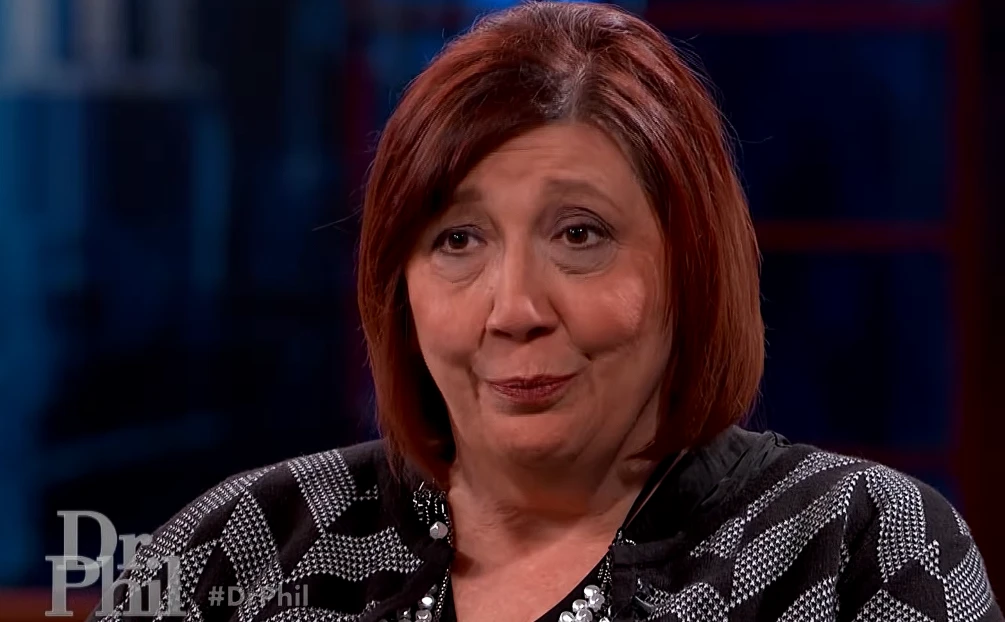
But Dr. Phil’s questioning suggests that pushing the same way may not work if the underlying issue is emotional distress. The teen needs support for grief, anxiety, and bullying, while still being guided toward responsibility.
This balance is difficult. Too much pressure may trigger more resistance. Too little structure may allow avoidance to grow. The healthiest response is not to remove expectations, but to build support around them.
The mother needs to hear the pain beneath the anger. The teen needs to learn that pain cannot justify disrespect or refusal to engage with life.
Why Communication Keeps Breaking Down
The argument shows two people talking past each other.
The mother asks about school. The teen hears pressure. The teen expresses distress through rage. The mother hears defiance. Neither side gets what they need.
When the teen says, “You never understand anything,” he is asking for empathy in the only language he seems able to access in that moment. But the way he says it pushes his mother further away.
That is why Dr. Phil’s approach is useful. He does not only tell the teen to calm down. He asks what the anger is about. Then he also challenges the teen’s lying, manipulation, and rage.
Real help requires both sides: emotional understanding and personal accountability.

Situation Judgment
The teen’s anger in the video is not acceptable communication. Yelling, threatening to call police over a recording, and refusing every option are not productive ways to solve a school problem.
However, the video alone does not tell the full story. When he explains the grief over his friend, the bullying, the panic attacks, and his feeling that his mother does not understand his pain, the situation becomes much more serious than ordinary teenage defiance.
Dr. Phil’s strongest judgment is balanced: the teen deserves support, but he also has to stop becoming a “moving target” through dishonesty or manipulation. His mother needs to understand his emotional distress, but he must also learn healthier ways to express it.
The school issue cannot be solved until the emotional issue is addressed. But the emotional issue cannot become a permanent excuse to avoid responsibility.
Final Lesson
This Dr. Phil segment shows how a family argument can reveal a much deeper crisis.
On the surface, the fight is about school. Underneath, it is about grief, bullying, anxiety, communication, and a teenager who feels emotionally unseen.
The lesson is not that parents should ignore school refusal. The lesson is that they must ask what the refusal is protecting the child from. Is it fear? Shame? Grief? Panic? A sense of being unsafe?
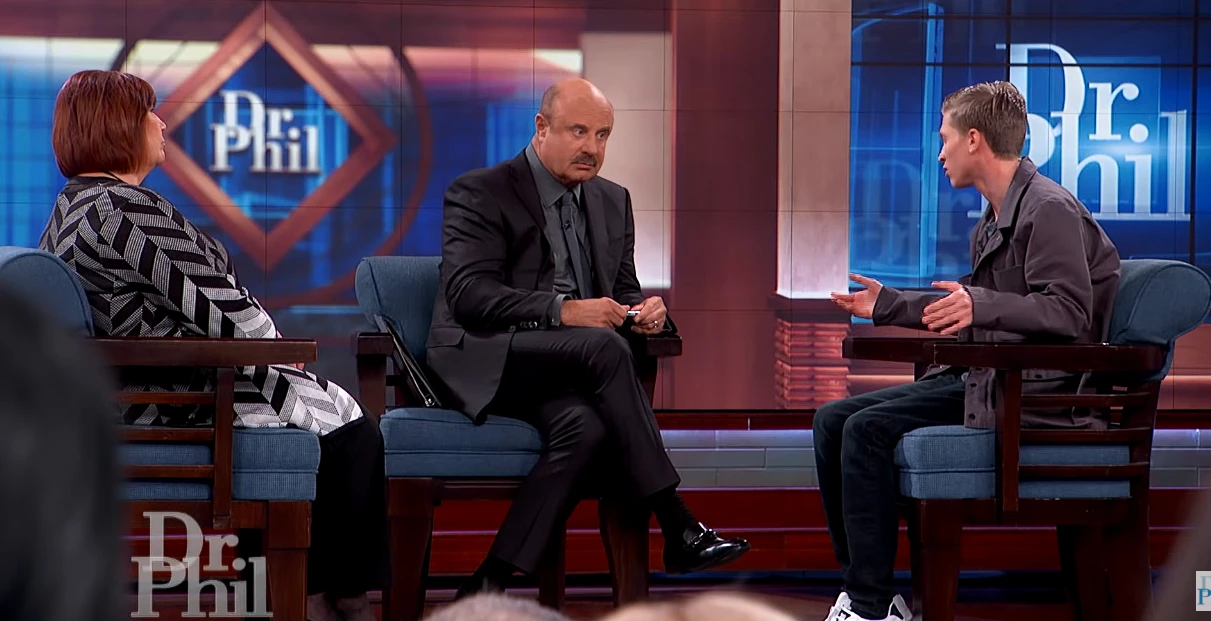
At the same time, teenagers must understand that being in pain does not remove responsibility. If they want adults to stand in their shoes, they must also be honest enough to let adults see where those shoes really are.
In the end, healing begins when anger is translated into truth. The teen’s real message was not simply “I don’t want to do school.” It was, “I’m not okay, and I need you to understand why.”