A Former Police Academy Student Learns a Life-Changing Lesson After a Dangerous Experiment
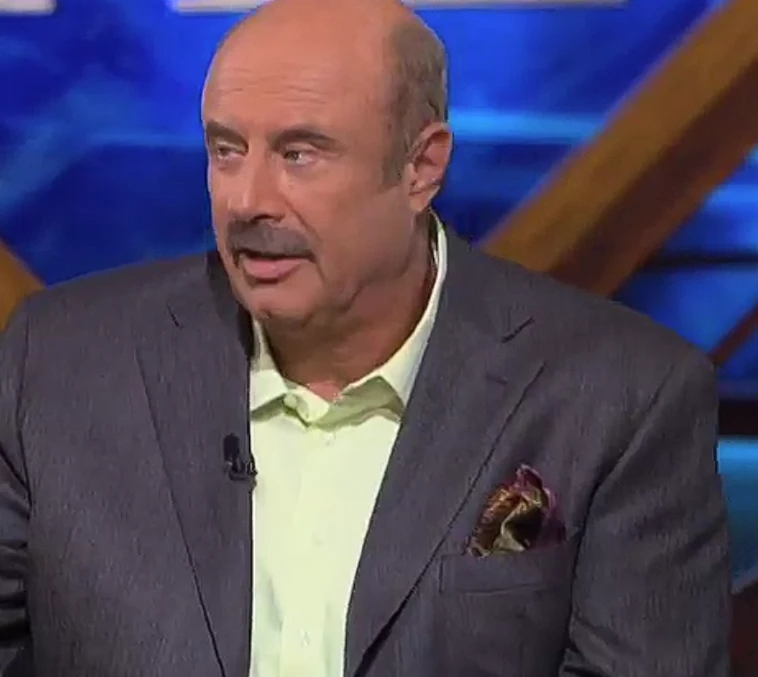
A former police academy student appears on Dr. Phil after allowing a friend to shoot him while wearing a bulletproof vest. The discussion explores risk-taking, overconfidence, decision-making, and why safety equipment should never be treated as an invitation to test dangerous ideas.
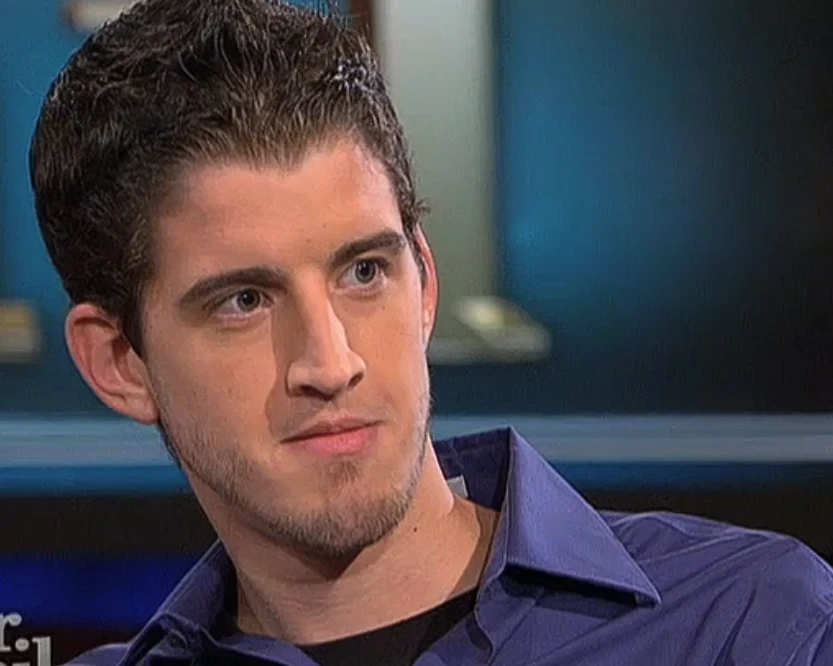
Curiosity can inspire learning, but it can also lead to poor decisions when confidence replaces good judgment. In this memorable Dr. Phil segment, Benjamin explains why he allowed his best friend to shoot him while he wore a bulletproof vest. What he expected to be an experiment nearly became a tragedy after the bullet penetrated the vest and entered his chest. Rather than focusing on shock value alone, Dr. Phil uses the incident to examine why young adults sometimes underestimate risk, how group decision-making can fail, and why protective equipment should never be mistaken for complete protection.
A Decision That Left Everyone Shocked
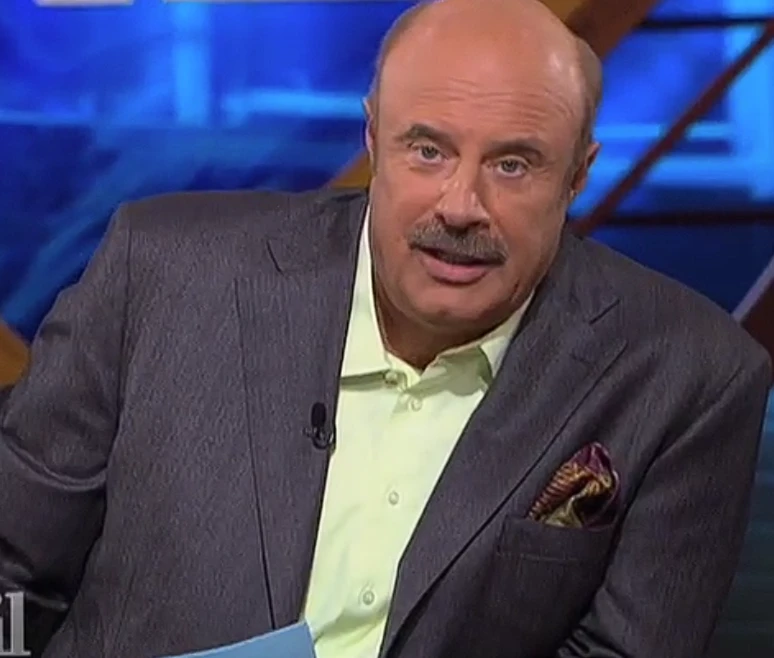
The episode begins with Dr. Phil introducing a story that immediately captures attention. He tells viewers they are about to see something that will “leave you shaking your head,” while clearly reminding the audience, “Obviously, do not try this at home.”
That warning sets the tone. This is not presented as entertainment or a challenge to imitate. Instead, it is an opportunity to understand how a series of poor decisions can quickly create a dangerous situation.
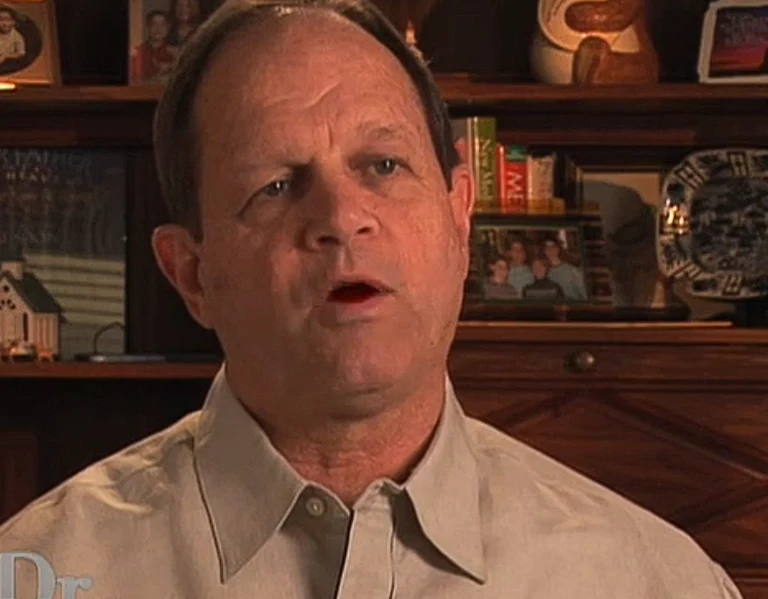
Benjamin’s parents explain that they were proud when he enrolled in the police academy. His father says, “We were really excited for him going.” Benjamin himself agrees, describing it as “the best schooling I ever had.”
His parents invested both financially and emotionally in helping him attend the academy. They believed it would prepare him for a responsible career built on discipline and good judgment.
However, after graduating, Benjamin became curious about one specific question.
According to his father, Benjamin “had this desire to find out what it felt like to be shot.”
That curiosity would soon lead to one of the worst decisions of his life.
The Experiment That Went Wrong
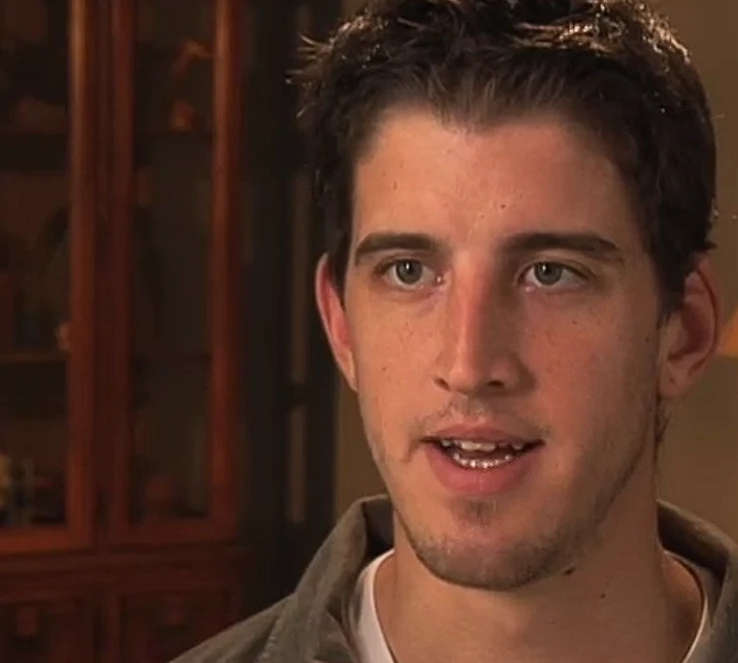
Benjamin explains what happened without trying to hide his role in the decision.
He says he put on his bulletproof vest and allowed his best friend to shoot him.
Dr. Phil notes that, based on the video, it appeared the group had been drinking beforehand. Benjamin responds that he does not know exactly how much everyone had consumed.
Regardless of that detail, the outcome was immediate.

Benjamin says, “I didn’t know that the bullet was gonna go through the bulletproof vest.”
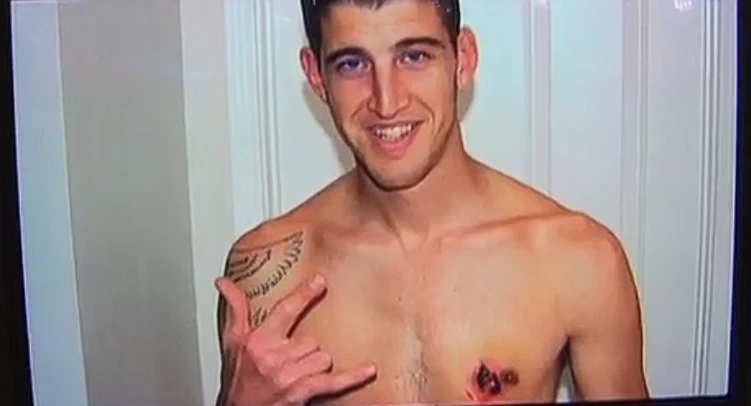
Instead of stopping the bullet completely, the round penetrated the vest and entered his chest.
His father remembers seeing him “bleeding from the chest.”
Looking back, Benjamin describes the decision with remarkable honesty.
“It was a dumb, dumb, dumb stunt.”
That admission becomes one of the most important parts of the discussion. Rather than defending his actions, Benjamin accepts that the decision itself was fundamentally flawed.
Testing the Vest Created False Confidence
Dr. Phil asks how anyone could believe this experiment would be safe.
Benjamin explains that before the incident, they had tested the vest by hanging it on drywall attached to a tree.
He says they fired several different calibers into the back side of the vest because they wanted to avoid damaging the front.
According to Benjamin, they tested it with “.22, nine millimeter, .30-06, and 12-gauge birdshot.”
He says one larger round passed through the vest and drywall, causing someone in the group to say, “Screw that, I’m out.”
However, because the .22 and 9mm rounds appeared to remain inside the vest during those earlier tests, Benjamin concluded the vest would safely stop a handgun round while someone was wearing it.
This reasoning illustrates a common decision-making mistake.
Testing equipment under one set of conditions does not guarantee identical results under completely different circumstances. A vest attached to drywall is not the same as a vest being worn by a person.
Protective equipment is designed to reduce risk under intended conditions—not to encourage intentional exposure to danger.
Dr. Phil Challenges the Logic Behind the Decision
Dr. Phil responds with obvious disbelief.
“Well, very responsible of you.”
The sarcasm reflects how difficult it is to understand the thinking that led to the experiment.
Benjamin explains that the bullet entered approximately “an inch and a half” into his chest.
Dr. Phil points toward members of the audience with military experience and remarks that they are simply shaking their heads.
People trained around protective equipment understand an important principle.
Body armor is designed to improve survival in dangerous situations that cannot be avoided.
It is not designed to encourage someone to intentionally test its limits.
That distinction is critical.
Protective gear reduces risk.
It never eliminates risk.
Experience Does Not Replace Judgment
One surprising part of the story is Benjamin’s background.
He had completed police academy training.
That experience might lead many people to assume he would naturally make safer decisions involving firearms.
Instead, the opposite happened.
This demonstrates that knowledge alone is not enough.
People can possess technical training while still making poor decisions when curiosity, confidence, peer influence, or excitement take control.
Benjamin did not appear unfamiliar with firearms.
Rather, he underestimated the possibility that reality would differ from his expectations.
That overconfidence nearly cost him his life.
Benjamin Accepts Responsibility
One reason this conversation becomes meaningful is that Benjamin does not spend time blaming anyone else.
When Dr. Phil asks whether the stunt was foolish, Benjamin answers directly.
“It was very dumb.”
He then adds, “It was the stupidest thing I’ve ever done in my life.”
Personal accountability is an important part of the discussion.
Benjamin could have blamed poor planning.
He could have blamed the equipment.
He could have blamed his friend.
Instead, he accepts ownership of the decision.
That attitude does not erase what happened, but it creates an opportunity for learning.
The Emotional Impact on His Parents
While Benjamin focuses on what he learned, his parents describe a very different experience.
His father recalls thinking, “How stupid.”
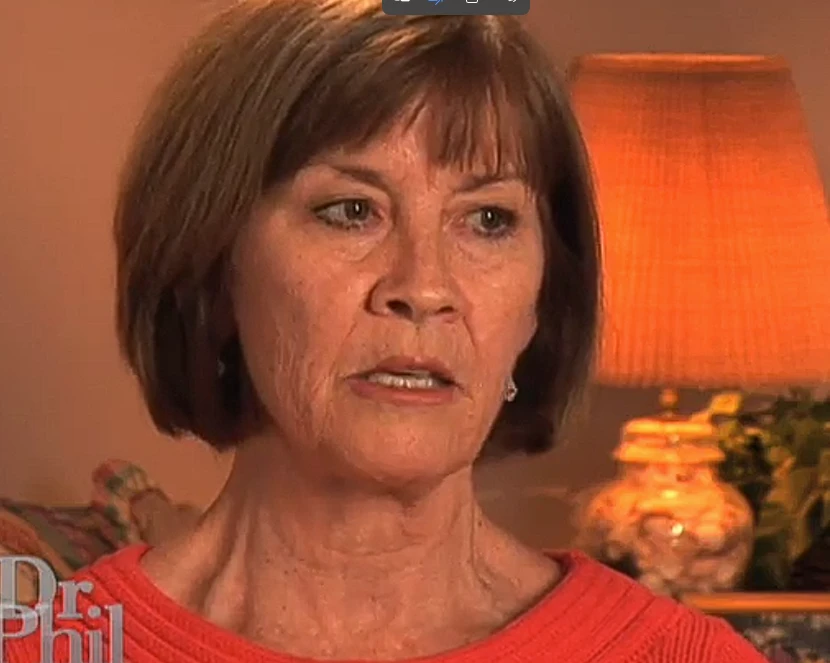
His mother remembers the fear of seeing her son injured after investing so much hope in his future.
Parents often experience situations like these differently than young adults.
Benjamin remembers curiosity and confidence.
His parents remember uncertainty, fear, and the possibility of losing their son.
That emotional difference highlights an important reality.
Dangerous decisions rarely affect only the person making them.
Families, friends, and loved ones often carry the emotional consequences long after the physical injuries heal.
Protective Equipment Has Limits
One misconception the segment quietly corrects is the popular belief that protective equipment guarantees safety.
A bulletproof vest is designed to reduce injury under specific testing standards.
It does not make someone invulnerable.
Even when a vest successfully stops a projectile, the impact itself can cause significant injury.
Benjamin’s experience demonstrates why protective equipment should always be paired with responsible behavior rather than risky experimentation.
The safest use of safety equipment is preventing unnecessary exposure in the first place.
Dr. Phil’s Bigger Message About Risk
Although Dr. Phil calls the incident “one of the dumbest stunts” he has seen, his larger message goes beyond criticizing Benjamin.
He wants viewers to understand how quickly poor judgment can transform curiosity into a life-changing event.
Many dangerous decisions begin with confidence.
“It’ll be fine.”
“We’ve tested it.”
“Nothing will happen.”
Unfortunately, reality does not always follow expectations.
Responsible decision-making requires respecting uncertainty, especially when serious injury is possible.
Situation Judgment
Benjamin’s curiosity is understandable, but his decision to intentionally test protective equipment by exposing himself to danger showed a significant lapse in judgment. Prior testing created a false sense of confidence and caused him to underestimate the risks involved.
To his credit, Benjamin does not minimize what happened afterward. He openly acknowledges that it was the worst decision of his life and accepts responsibility instead of blaming others.

Dr. Phil correctly shifts the conversation away from sensationalism and toward education. The incident demonstrates that protective equipment should never be viewed as permission to engage in unnecessary risk.
Final Lesson
This Dr. Phil segment is ultimately about much more than one dangerous experiment.
It reminds viewers that confidence without judgment can become dangerous, even for people with training and experience.
Safety equipment exists to reduce harm during unavoidable situations—not to encourage testing personal limits.
Benjamin was fortunate to survive an experiment that could have ended very differently. His willingness to admit his mistake gives the story lasting value because others can learn from it without repeating it.
The strongest lesson is simple: curiosity should always be guided by responsibility. The smartest decision is rarely proving that safety equipment works. It is making choices that ensure it never has to be tested in the first place.