A Daughter Says Her Estranged Relationship With Her Father Is Tearing Her World Apart
A 12-year-old tells Dr. Phil that her distant relationship with her father has affected her grades, emotions, and daily life. The discussion explores parental absence, addiction-related family conflict, emotional boundaries, and why children must not be forced to carry adult problems.
Sapo
When a child feels rejected by a parent, the pain can affect every part of life: school, sleep, confidence, and emotional stability. In this Dr. Phil segment, a 12-year-old girl explains that her relationship with her father has become so painful that she can no longer focus. She says, “I’ve always had straight A’s. I have F’s now,” and admits she cries often because she cannot stop thinking about him. Dr. Phil listens to her pain, but he also gives her a powerful message: her father’s choices are not hers to carry. Her job is not to fix the adults. Her job is to become a teenager again.
A Child Whose Pain Is Affecting Daily Life
Dr. Phil begins by asking how the situation with her father has affected her day to day. Her answer is immediate and heartbreaking: “I’ve always had straight A’s. I have F’s now.”
This quote reveals that the conflict has moved beyond sadness. It is interfering with school performance, concentration, and normal childhood functioning. She explains why her grades have changed: “I can’t focus.” She also says, “I cry like every 10 minutes.”
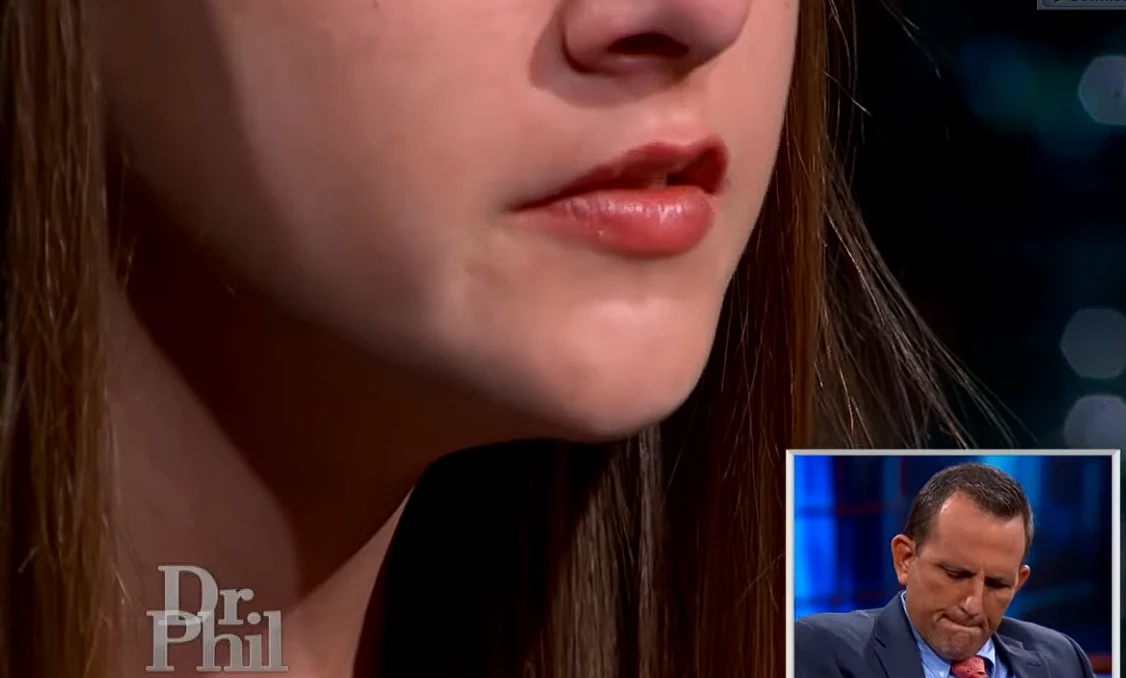
For a 12-year-old, this level of emotional distress is significant. She is not simply disappointed after one argument. She is stuck in a cycle of rumination, constantly replaying the relationship in her mind.
When Dr. Phil asks what she thinks about, she answers, “My dad constantly and my little brother and my stepmom.” She adds, “I don’t know how to keep my mind away from it.”
That line is one of the most important in the segment. It shows a child trying to manage adult-level family conflict without the emotional tools to do it. Her mind keeps returning to the people she misses, the people she feels hurt by, and the family structure she cannot control.
The Pain of Feeling Rejected
Dr. Phil asks what she says to herself when she thinks about her father. She answers, “Maybe he’ll come back around.”
This is the emotional center of the episode. Even after everything that has happened, she still hopes he will return emotionally. She is angry, hurt, and confused, but part of her still waits for her father to choose her.
Then she describes messages that made her feel deeply rejected. She says he told her, “I’m not his daughter anymore.” She also says he accused her of being on methadone and told her not to text him “until you’re sober.”
Dr. Phil asks whether she has ever taken methadone. She answers, “No.”
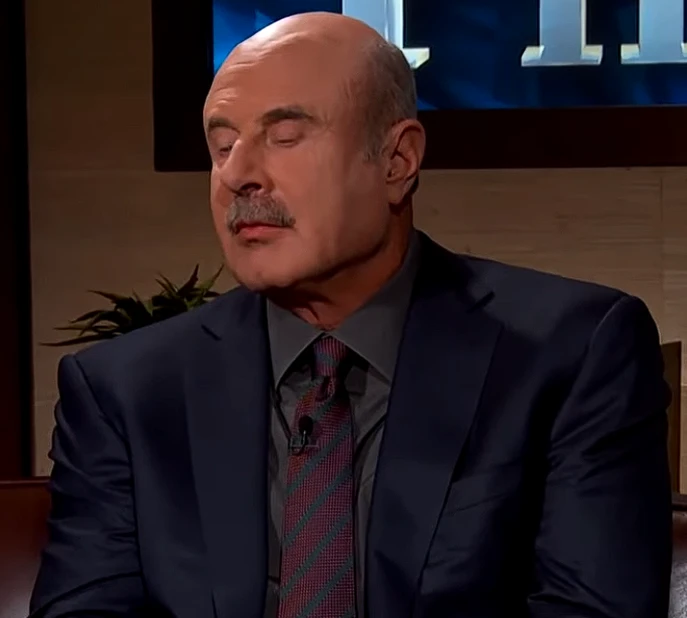
Regardless of what the adults dispute, the emotional impact on the child is clear. She heard words that made her feel rejected, judged, and misunderstood by someone whose approval matters deeply to her.
For children, a parent’s words can become internal beliefs. If a father says something that sounds like rejection, the child may begin wondering whether she is still loved, still wanted, or still part of the family.
The Father Interrupts, but Dr. Phil Refocuses the Conversation
When the child describes what she says her father told her, he interrupts and says, “I’ve heard enough. I’ve never said any of those things.”
Dr. Phil immediately stops the interruption. He says, “You’re either going to do my agenda or we’re done.”
That moment matters because Dr. Phil protects the child’s space to speak. In family conflicts, children are often interrupted by adults who want to correct details, defend themselves, or control the narrative.
Dr. Phil’s response makes the priority clear: the child needs to be heard first.
He then asks the father, Christian, whether he wants to listen. The father says yes. Only then does Dr. Phil allow the conversation to continue.
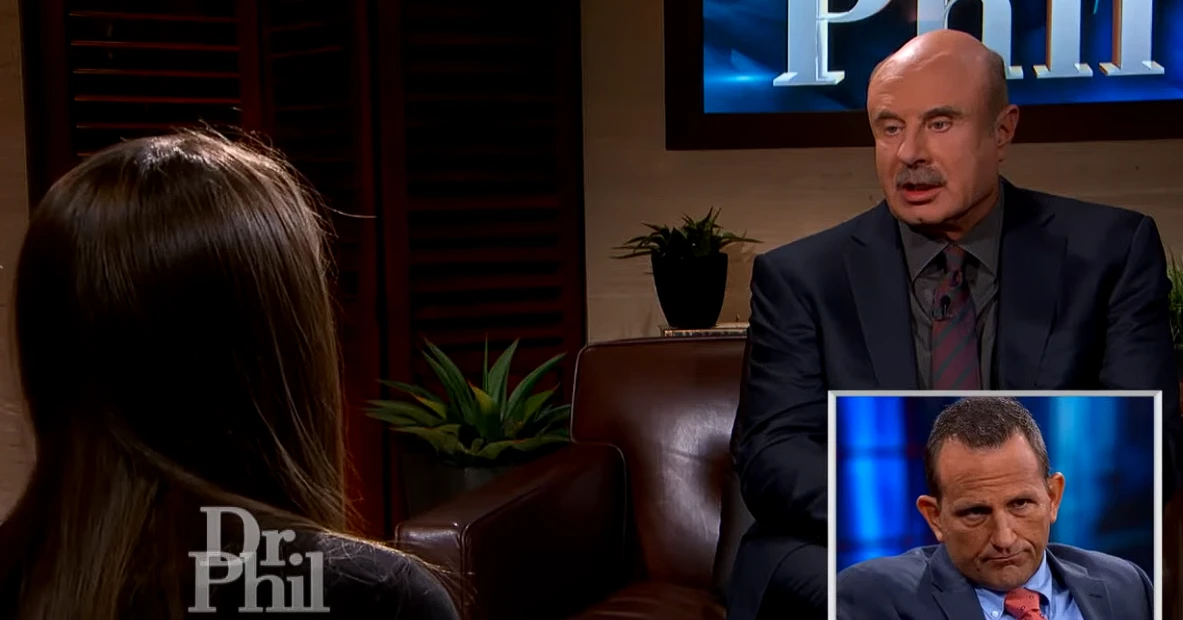
This is an important lesson for families. Sometimes the first step toward healing is not proving who remembers every sentence correctly. It is allowing a child to explain how she experienced the relationship.
A Daughter Trying to Understand Adult Struggles
The child then describes another painful layer of the relationship. She says her father told her face to face that he was taking methadone. She says she researched it and believed it was only supposed to be taken for a few months, but her father had been taking it “for over 18 months.”
This part of the conversation shows how far she has been pulled into adult issues. A 12-year-old should not have to research medication, monitor a parent’s recovery, or interpret whether an adult is making progress.
She says, “He’s tearing me apart.” She also says, “When he relapses, it makes me feel like he’s choosing drugs over me.”
That quote is one of the deepest emotional moments in the segment. She is interpreting her father’s struggles as a personal rejection. In her mind, every setback means she matters less.
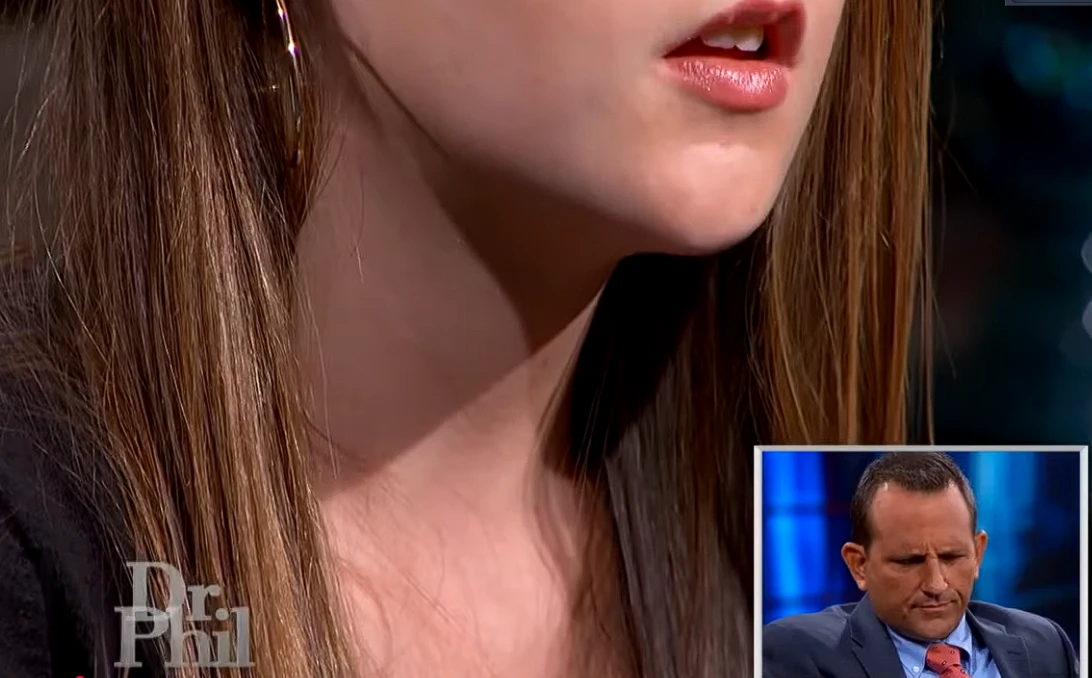
This is common for children affected by parental substance issues. Even when the adult’s behavior is driven by a condition, the child may experience it as a choice against them.
The Words That Changed How She Sees Herself
The child shares another painful detail about her name. She says, “My middle name is Angel Lee,” and explains that her father said she “wasn’t his Angel.”
For adults, words spoken during conflict may feel temporary. For a child, they can become permanent wounds.
She also says her father told her she was “not who I used to be.” Her response is mature and deeply sad: “He’s just hurt me enough to where I’ve changed in a way I don’t want to change.”
This line shows that she is aware of her own emotional transformation. She knows she has changed. But she does not see that change as growth. She sees it as damage.
That is why the situation is urgent. When a child begins defining herself through pain from a parent, the family needs support, boundaries, and intervention that protects the child’s emotional development.
The Hospital Incident and a Final Text
Dr. Phil asks when she last saw her father in person. She explains that she fell out of a stunt in cheerleading and had to go to the hospital. Her father showed up, but she told him she wanted him to go away.
From the father’s perspective, that may have felt like rejection. From the child’s perspective, it may have been a reaction to accumulated hurt.
Afterward, she says he texted her mother: “Tell your daughter that decision she made is final. I won’t ever come around again.”
This kind of message places enormous emotional weight on a child’s momentary reaction. A 12-year-old in a hospital, injured and emotionally overwhelmed, should not have to carry the consequence of “final” rejection from a parent.
Children say things when hurt. Adults are responsible for staying steady enough not to turn one painful moment into permanent abandonment.
The Mother’s Role in Sharing Adult Information
The child also says her mother tells her when her father relapses. She says her mother told her that her dad and stepmom relapsed and that her baby brother was born affected by the situation.
This raises another important issue: children should not be overloaded with adult information they cannot emotionally process.
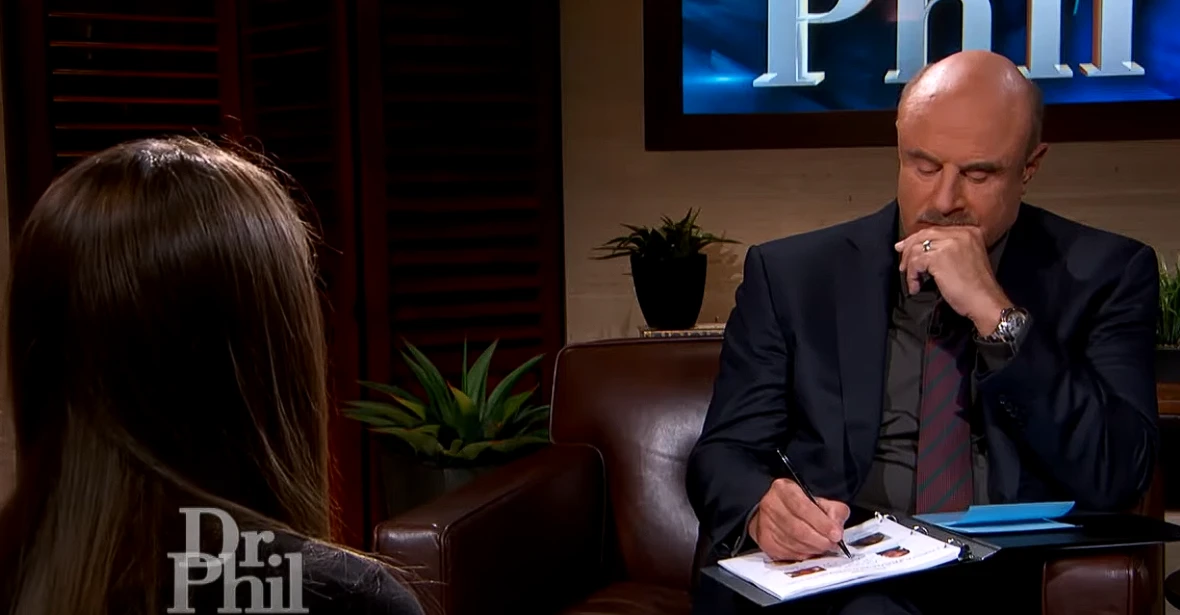
A parent may believe honesty is helpful. But too much detail, especially about addiction, relapse, adult conflict, or a baby sibling’s medical issues, can make a child feel responsible for things far outside her control.
Dr. Phil does not spend the entire segment blaming one parent. Instead, he focuses on helping the child separate herself from the adults’ choices.
That is the healthiest direction. The child cannot fix her father. She cannot manage her mother’s feelings. She cannot control the relationship between the adults. She needs permission to stop carrying all of it.
Dr. Phil Gives Her a Boundary She Can Hold
Dr. Phil offers the child one of the most important messages in the segment. He says, “Your father’s going to get better or he’s not. Your mother and your father are going to learn to get along or they’re not.”
Then he gives her a choice: “I’m going to let those adults be adults and I’m changing my focus. I’m going to take care of me.”
This is not a cold message. It is a protective one.
He is not telling her not to love her father. He is telling her that loving him does not require carrying his problems.
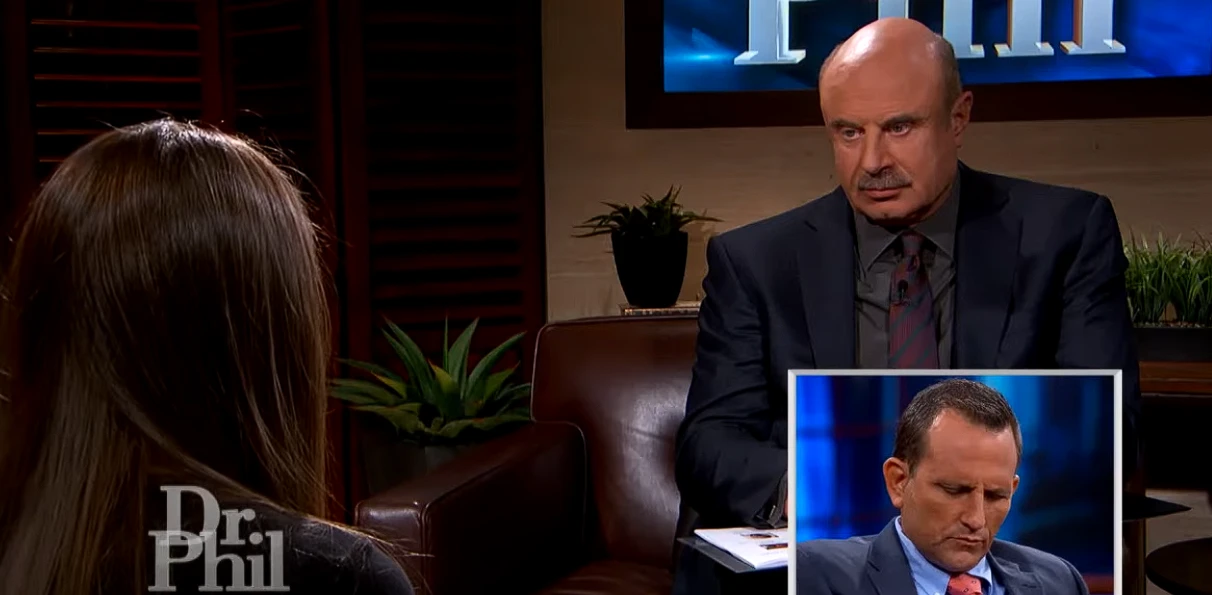
When she says, “I can’t do it without my dad,” Dr. Phil responds, “You don’t want to do it without your dad, but you can do it without your dad.”
That distinction is powerful. A child may deeply want a parent’s presence. But her ability to survive, grow, learn, and heal cannot depend entirely on that parent making the right choices.
Dr. Phil Uses His Own Childhood to Reach Her
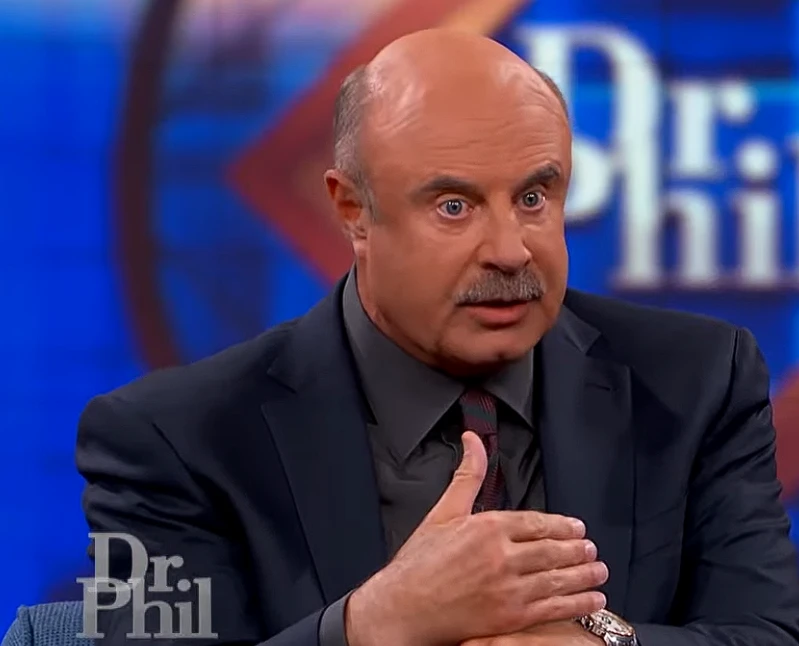
Dr. Phil then shares from his own life. He says, “My father was an alcoholic my entire life.”
He describes embarrassing and painful scenes from childhood, including coming home to difficult situations caused by his father’s drinking. He says he eventually made a decision: “Not my job.”
This personal example is meant to show the girl that she is not alone. Dr. Phil is not speaking from theory alone. He is telling her that a child can grow beyond a parent’s instability.
He says, “If he wants to be an idiot, that’s his choice.” The language is blunt, but the message is clear: the parent’s choices belong to the parent.
Then he tells her what her job is: “Your job is to be a teenager.”
This is the final emotional turning point. Her job is not to rescue her father, track his recovery, mediate family conflict, or carry the pain of every adult decision. Her job is to return to her own life.
Situation Judgment
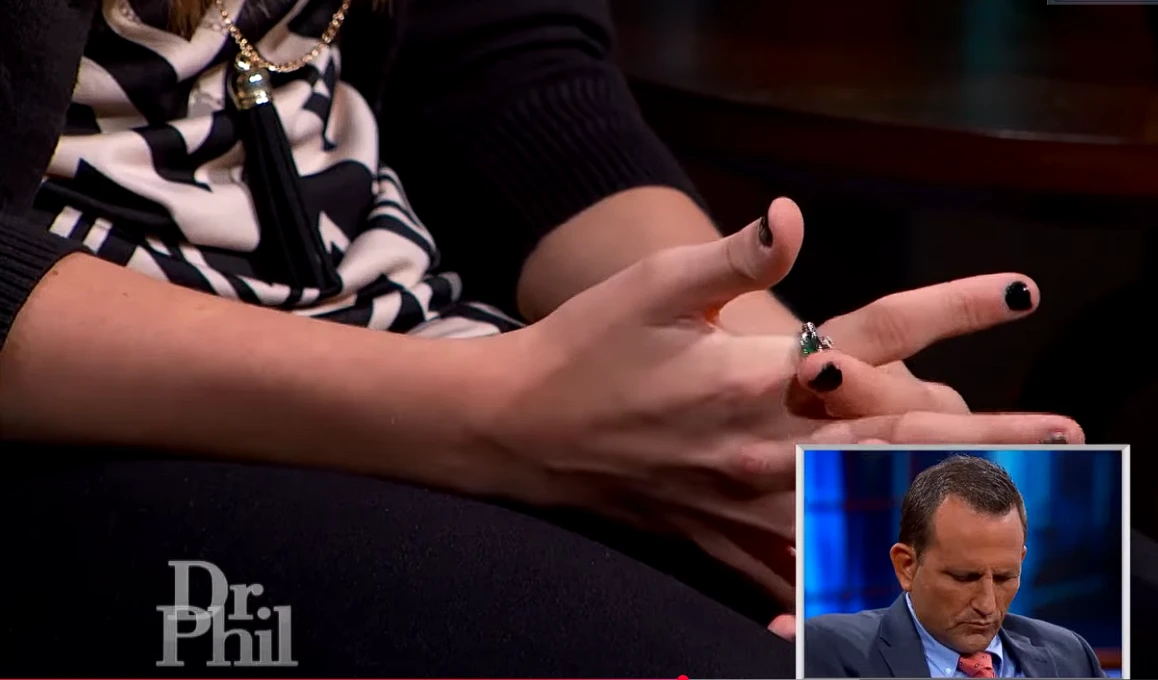
The child’s distress is serious. Her grades have dropped, she cries frequently, and she says she cannot stop thinking about her father, stepmother, and baby brother. This shows that the family conflict is affecting her daily functioning.
Her father may dispute some of her claims, but Dr. Phil is right to insist that she be allowed to speak. The emotional impact of the relationship must be heard even when adults disagree about details.
The mother also needs to be careful about how much adult information she shares. Telling a child too many details about relapse, medication, or adult conflict can increase anxiety instead of helping.
The healthiest judgment is that the child needs emotional boundaries, support, and freedom from adult responsibilities. Both parents must stop letting their conflict define her childhood.
Final Lesson
This Dr. Phil segment shows how deeply a child can be affected by a strained relationship with a parent.
The girl is not only missing her father. She is trying to understand his choices, interpret his words, worry about her baby brother, and manage information no 12-year-old should have to carry.
Dr. Phil’s message is compassionate but firm: she cannot build her life around whether her father gets better, whether the adults get along, or whether the family conflict resolves quickly.
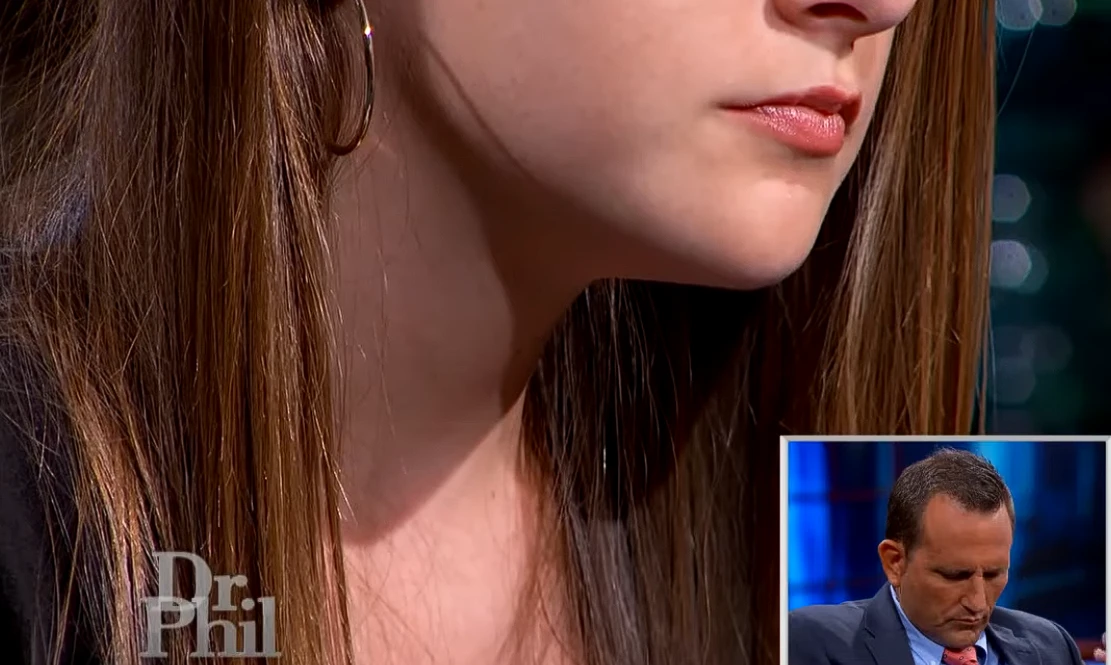
She can love her father and still protect herself. She can want him back and still return to school, friendships, cheerleading, and the ordinary life of a teenager.
The most important lesson is that children should not become emotional caretakers for adults. A child’s job is to grow, learn, and feel safe. The adults’ job is to carry the adult problems—without making the child feel responsible for fixing them.