A Custody Dispute Leads Dr. Phil to Deliver a Direct Message About Parenting
Dr. Phil delivers a candid message to a mother involved in a custody dispute, emphasizing that successful parenting is measured by consistent actions rather than explanations. The discussion explores accountability, parenting skills, personal growth, and putting children’s needs first.
Custody disputes often involve conflicting stories, emotional arguments, and differing perspectives about what is best for children. In this powerful Dr. Phil segment, however, the discussion moves beyond competing narratives and focuses on a much simpler question: What has a parent actually done to improve? Addressing a mother seeking custody of her daughters, Dr. Phil argues that explanations alone are not enough. He challenges her to look honestly at her own behavior, reminding her that courts, professionals, and ultimately children judge parents by consistent actions rather than promises. The conversation becomes an important lesson about accountability, personal growth, and the responsibility every parent carries when asking for another chance.
Dr. Phil Questions the Mother’s Priorities
The conversation begins with one of Dr. Phil’s strongest observations. Looking directly at the mother, he says, “I don’t think you’re taking this seriously.” Rather than easing into the discussion, he immediately challenges what he believes is her attitude toward the custody case.
He continues by saying, “I don’t think you’ve been forthcoming with me.” According to Dr. Phil, some of her explanations appear designed to present herself in the best possible light rather than offering a complete picture of the situation.

His most direct criticism follows immediately afterward. He says, “I don’t think that you have your children’s best interest at heart. I think you’re more interested in your image instead of your children’s future.”
This statement becomes the central theme of the segment. Dr. Phil shifts the conversation away from legal arguments and toward parental priorities. In his view, the custody dispute should not be about protecting personal reputation or proving someone else wrong. Instead, every decision should be evaluated through one question: Does it improve the children’s future?
By framing the discussion this way, Dr. Phil makes it clear that parenting requires more than defending past choices. It requires demonstrating an ongoing commitment to children’s emotional, physical, and developmental well-being.
Excuses Cannot Replace Real Progress
After questioning her priorities, Dr. Phil reviews the opportunities the mother has already received to strengthen her parenting.
He reminds her, “You have been offered professional help. You have failed to take it.”
He then continues with another example: “You have been instructed to take parenting courses. You have not taken them.”
These statements are significant because they move the discussion away from opinions and toward measurable actions. Rather than debating intentions, Dr. Phil focuses on completed—or incomplete—steps that could demonstrate personal growth.

According to him, the problem is not a lack of available resources. Instead, he believes the opportunities were present but were not fully used.
He summarizes the issue by saying, “You have not done one thing to improve your fitness as a parent.”
Whether viewers agree entirely with his assessment or not, the message is clear: in custody matters, demonstrating consistent effort often carries more weight than explaining why progress has not yet happened.
Behavior Speaks Louder Than Promises
Dr. Phil then addresses what he believes is the difference between talking about change and actually making it happen.
He acknowledges that people can always provide explanations.
“You can talk and talk and talk,” he says. “You can come up with all of the excuses. You can come up with all of the stories.”
However, he immediately redirects the conversation toward behavior.
“It really gets down to your conduct.”
This distinction is one of the strongest lessons in the episode. Parents involved in difficult custody situations often feel misunderstood and understandably want to explain everything that has happened.

Dr. Phil argues that explanations alone are not enough. Lasting change becomes visible through consistent daily behavior rather than persuasive conversations.
He asks several practical questions.
“Are you doing the things necessary to change your position? To change your coping skills? To change your parenting skills? To change your level of mental and emotional adjustment?”
After asking those questions, he gives his own assessment.
“The bottom line is no, no, and no.”
Personal Growth Is Part of Good Parenting
Rather than discussing custody only as a legal issue, Dr. Phil frames it as an issue of personal development.
He tells the mother that “your level of adjustment needs improvement.”
This comment highlights an important idea. Parenting is not only about providing food, clothing, or shelter. It also requires emotional maturity, healthy coping strategies, and the willingness to continue growing.
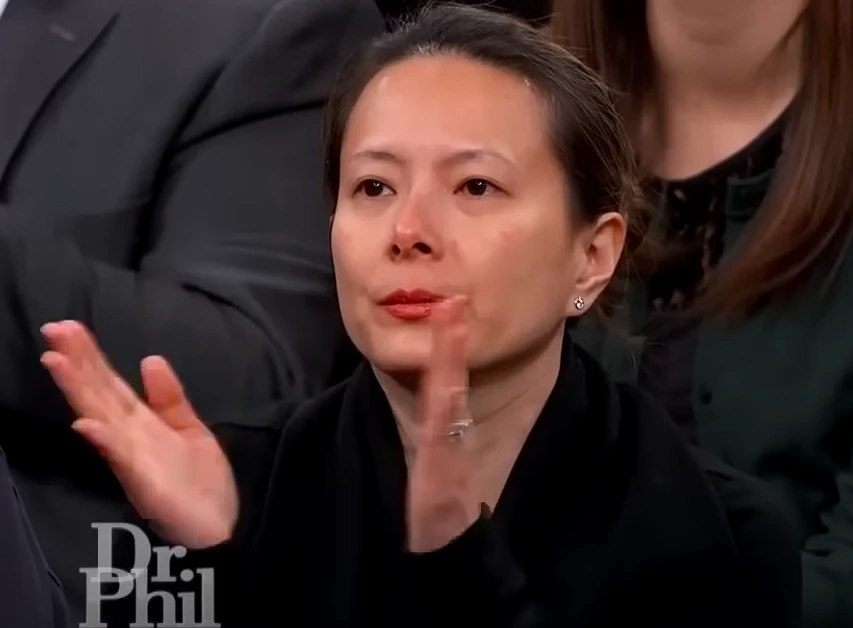
Children depend on adults to manage stress in constructive ways. If parents struggle with emotional regulation, unresolved conflict, or unhealthy coping mechanisms, those challenges may eventually affect the entire household.
Dr. Phil therefore argues that improving oneself is not a separate goal from becoming a better parent. The two are closely connected.
In custody cases, demonstrating personal growth can often be just as important as describing how much a parent loves their children.
Professional Help Only Works When It Is Accepted
Another major focus of the conversation is the importance of accepting available support.
Dr. Phil reminds the mother that licensed professionals had already been made available to her.
He says the services were “provided to you free of charge” and even describes them as “a gift.”
His frustration comes from believing those opportunities were not fully used.
“You have blown it off,” he says.

He continues by explaining that people should not need to be chased into accepting help that has already been arranged for them.
This part of the discussion emphasizes an important reality.
Support systems can only make a difference when individuals actively participate. Counseling, parenting classes, or professional guidance provide opportunities for growth, but meaningful change depends on consistent engagement rather than simply having access to those services.
The Children Pay the Highest Price
Perhaps the most emotional moment comes when Dr. Phil shifts attention away from the adults entirely.
He tells the mother, “Your children are paying the price.”
That sentence changes the entire perspective of the conversation.
Custody disputes often become focused on what each parent wants or believes they deserve.
Dr. Phil reminds viewers that the people most affected by prolonged conflict are usually the children themselves.

When adults remain trapped in unresolved arguments, children may experience uncertainty, emotional stress, instability, and confusion.
His message is that every parental decision should ultimately be evaluated according to its impact on the children rather than the satisfaction it provides to either adult.
Parenting Requires Daily Responsibility
Near the end of the segment, Dr. Phil becomes even more direct about what responsible parenting involves.
He tells the mother she needs to “step up and do what you need to do to be a responsible parent.”
He then lists the practical responsibilities children depend on every day.
Parents must feed them.
Parents must clothe them.
Parents must provide hygiene, stability, emotional support, physical safety, and a healthy environment.

These responsibilities may sound obvious, but Dr. Phil emphasizes them because parenting is ultimately measured through consistent daily care rather than isolated moments.
A successful custody case is not built solely on declarations of love. It is supported by repeated demonstrations of reliability, responsibility, and stability over time.
Dr. Phil’s Broader Message
Although this conversation focuses on one custody dispute, its message applies to many families facing similar challenges.
Parents often become deeply invested in explaining why past events occurred.
Dr. Phil instead encourages them to ask a different question.
What am I doing today that makes tomorrow better for my children?
That shift from explanation to action represents the central lesson of the interview.
People cannot always change what happened yesterday, but they can choose how consistently they work toward becoming stronger parents moving forward.

Situation Judgment
Based on this segment, Dr. Phil’s primary concern is not the mother’s intentions but the gap between her stated goals and her documented actions. Throughout the discussion, he repeatedly distinguishes between promises and measurable effort.
His criticism focuses on missed opportunities for counseling, parenting education, and personal development rather than on isolated mistakes from the past. From his perspective, meaningful progress requires active participation in the resources already available.
The broader message is that custody decisions should always prioritize children’s long-term well-being. Demonstrating growth, accepting support, and consistently meeting parental responsibilities provide stronger evidence of readiness than explanations or good intentions alone.
Final Lesson
This Dr. Phil segment serves as a reminder that parenting is measured over time through consistent behavior rather than persuasive words.
Every parent faces challenges, setbacks, and difficult circumstances. However, the willingness to seek help, develop new skills, and accept personal responsibility often determines whether meaningful change becomes possible.

Dr. Phil’s repeated emphasis on action over excuses reflects an important principle. Children benefit most when parents focus less on defending the past and more on building a healthier future.
Professional support, parenting education, and honest self-reflection are not signs of weakness. They are often signs that a parent is willing to grow for the benefit of their children.
Ultimately, the strongest message from this discussion is simple: a parent’s greatest responsibility is not protecting their own image, but creating a safe, stable, and supportive future where their children have the opportunity to thrive.