A Vegas Night Out Becomes a Wake-Up Call for a Teen Facing Debt and Denial
A teenager struggling with debt is taken to Las Vegas for what she thinks is a glamorous night out, only to face a powerful reality check about homelessness, responsibility, fear, and the difference between fantasy and real hardship.
Sometimes a person does not understand a crisis until they are placed close enough to feel its reality. In this Dr. Phil segment, a teenager named Sherlyn is taken to Las Vegas under the impression that she is going on a fun girls’ night out. Instead, she is shown the reality of what life on the streets can look like. At first, she reacts with fear, judgment, and discomfort, saying she wants to go home and misses her mother. But as the night continues, the experience becomes a harsh lesson about privilege, debt, personal responsibility, and why homelessness should never be treated as an abstract fear or a dramatic phrase.
A Glamorous Surprise Turns Into a Reality Check
The segment begins with excitement. Sherlyn is told, “I have a surprise for you,” followed by the promise of a trip to Las Vegas for “a Vegas girls night out.” She is told to “pack your bags” because it will be “an adventure you’re never going to forget.”
At first, everything looks glamorous. The lights, stores, and energy of Las Vegas impress her. She looks around and says the city is “all glittery and lit up.” She notices a luxury store and reacts, “Oh my gosh, it’s so gorgeous.” When asked what she thinks of Vegas so far, she says, “I like it a lot.”
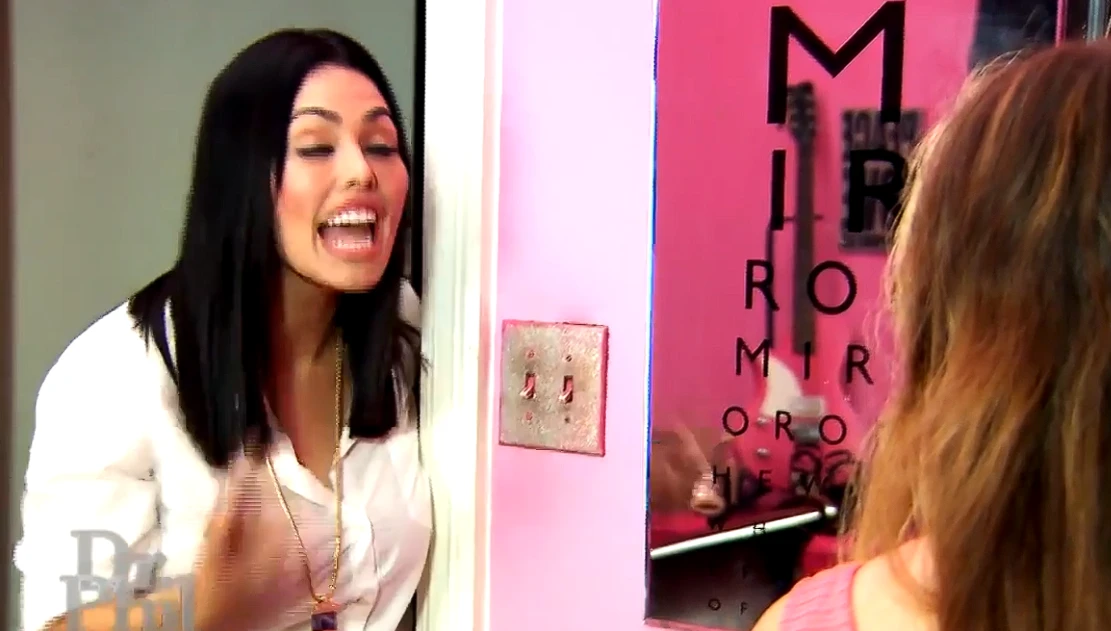
This opening is important because it creates a sharp contrast. Sherlyn thinks she is entering a world of fun, status, and excitement. But that image quickly changes when she is told the real reason she has been brought there.
She is reminded that one of her biggest fears is what would happen if she ended up on the streets. The guide tells her, “Tonight I bring you out to the streets so you can see the reality of what happens out here.”
That moment changes the entire tone. The limo leaves. The glamour disappears. Sherlyn is no longer looking at Las Vegas as a tourist. She is being asked to confront the side of the city most people avoid seeing.
Fear Replaces Excitement Almost Immediately
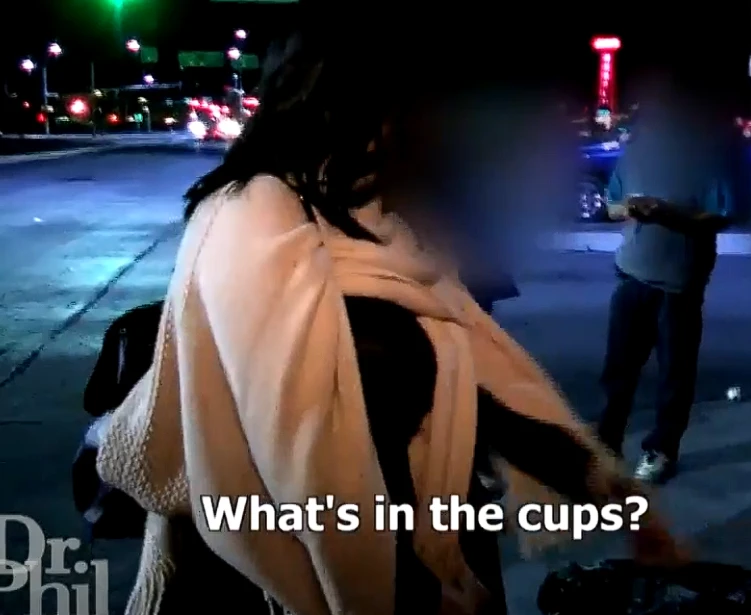
Sherlyn’s reaction changes quickly. As she walks through the area, she says, “I’m scared.” She sees a cup and says, “I don’t know what that is in that cup. I don’t want to know what’s in the cups.”
The guide corrects her reaction and explains that what she sees is food, saying, “That was chili.” Then comes an important reminder: “That’s someone’s meal. That could be the only meal that they have for the day.”

This moment is one of the most revealing parts of the segment. Sherlyn first reacts with disgust because she sees something unfamiliar and uncomfortable. The guide reframes it as survival. What looks unpleasant to Sherlyn may be the only food someone has.
This is where the experience becomes educational. Homelessness is not only about not having a house. It is about having fewer choices, fewer comforts, fewer protections, and fewer ways to control the environment around you.
Sherlyn soon admits, “I want to go home. I miss my mom.” That line shows how quickly discomfort becomes emotional dependence. After only a short time outside her normal environment, she wants safety, family, and escape.
Judgment Shows How Little She Understands
As the night continues, Sherlyn sees tents and makeshift shelters. The guide points out that people build shelters from “whatever they can get.”
When asked what the area smells like, Sherlyn answers, “Poverty.” That word is striking because it shows how she is processing the experience. She is not describing only a smell. She is attaching judgment to the environment and the people living there.
She refuses to sit down, saying people may have used the area in a way that makes it unsafe or dirty. She says, “I hate it here. It disgusted me. There’s like trash everywhere. It’s dirty. I don’t like it. It scares me.”
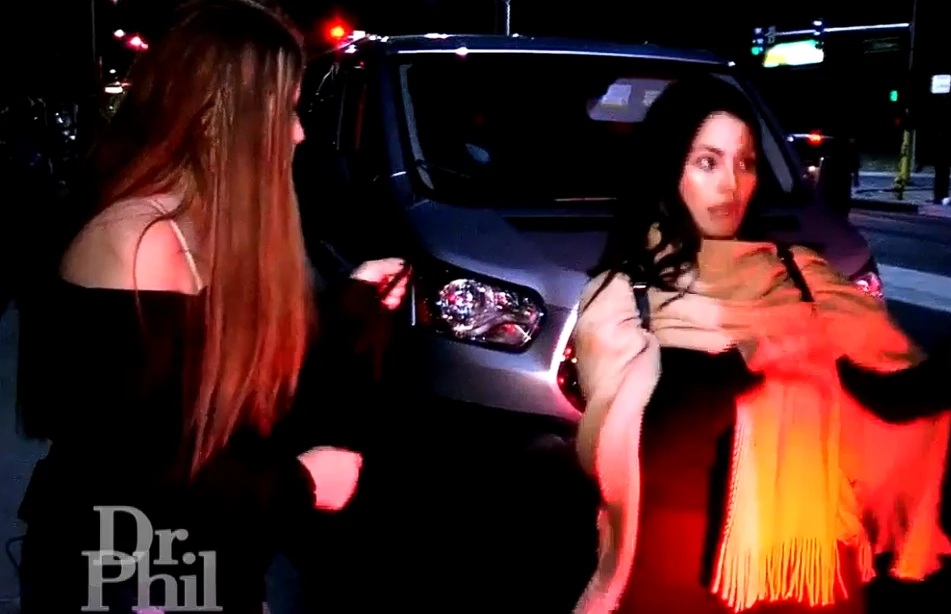
These reactions are honest but also immature. Sherlyn is overwhelmed by the conditions, but she does not yet show much empathy for the people who have to live there every day.
That is why the guide continues pushing her to look deeper. The purpose is not to shame her. It is to show her that the street is not a dramatic concept. It is a daily reality for people with limited options.
The Experience Exposes Her Dependence on Comfort
Sherlyn becomes increasingly resistant. When told they are going to continue walking, she says, “I don’t want to walk that way. It’s not safe.”
Her fear may be understandable. But the lesson is that people experiencing homelessness do not always get to choose the safest or most comfortable path. They may have to sleep where they can, eat what is available, and move through spaces that feel uncertain.
Later, when Sherlyn is placed in a sleeping bag on the side of the road, the discomfort becomes too much for her. She calls her mother and asks for card information so she can find somewhere else to stay.
Her mother refuses and tells her, “Just stay there.”
Sherlyn becomes angry and calls her mother “an idiot.” The guide immediately points out how serious that is: she is sitting in a sleeping bag on the side of the street and still insulting the person trying to teach her a lesson.
This moment reveals the deeper problem. Sherlyn wants independence, but when reality becomes uncomfortable, she immediately reaches for her mother’s resources.
She Wants Out Before the Lesson Is Finished
Sherlyn eventually says, “I don’t want to do this. I want to shower. I’m not staying out here. It’s too cold and I want to go home.”
Those words are important because they show the difference between temporary discomfort and ongoing hardship. Sherlyn can still imagine leaving. She can think about a hotel, an Uber, the airport, and a flight home. Many people living on the street do not have those options waiting nearby.
When asked how she plans to get home, she says, “I’ll go get an Uber. I’ll go to the hotel, grab my bag, and go to the airport.”
This response shows that her experience, while uncomfortable, is still protected by privilege. She is not truly trapped in homelessness. She is being shown a limited version of it.
Then she says, “I don’t care. I’m selfish. I’m leaving.”

That line is surprisingly honest. Sherlyn recognizes that she is choosing comfort over completing the experience. She understands that leaving may disappoint her mother or the people trying to teach her something, but in that moment, her desire to escape is stronger than her willingness to learn.
Debt, Denial, and the Fear of Consequences
Although the clip focuses on the street experience, the larger context is Sherlyn’s financial situation and attitude toward consequences.
A teenager in debt may not fully understand how quickly poor financial choices can limit freedom. Debt can begin as spending, borrowing, or ignoring responsibility, but over time it can become pressure, dependence, and fewer options.
The homelessness experience is meant to show her what life can look like when support systems disappear and personal choices have consequences.
However, the episode also shows that fear alone may not immediately create maturity. Sherlyn is scared, but fear does not automatically become insight. At first, fear makes her judgmental, angry, and desperate to leave.
This is an important lesson for parents and viewers. A wake-up call can open someone’s eyes, but it does not guarantee transformation. Real change requires reflection after the shock fades.
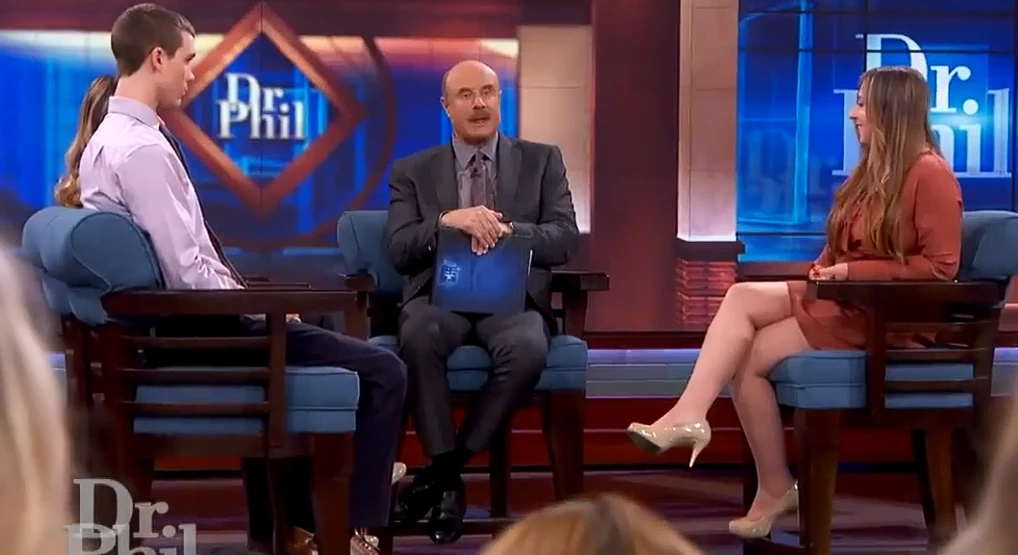
A Harsh Night Becomes a Mirror
At the end of the experience, Sherlyn is asked to describe what happened in five words. She struggles and says, “I don’t know. It was cool and not lonely.”
That answer suggests she is still processing the experience. She may not yet have the vocabulary or maturity to describe what she learned.
When asked how she would describe it to a friend, she finally says, “Miserable. Night is miserable.”
That sentence captures the emotional outcome. The night was not glamorous. It was not exciting. It was not the Vegas adventure she imagined. It was cold, uncomfortable, frightening, and humbling.
Whether Sherlyn fully changes after this experience is unclear from the clip. But the lesson is now impossible to ignore: street life is not a fantasy, a threat, or a dramatic phrase. It is hard, uncomfortable, and emotionally exhausting even for one night.
Dr. Phil’s Larger Message
The segment works because it uses contrast. Sherlyn begins by admiring luxury stores and city lights. Soon after, she is facing tents, sleeping bags, cold weather, and unfamiliar streets.
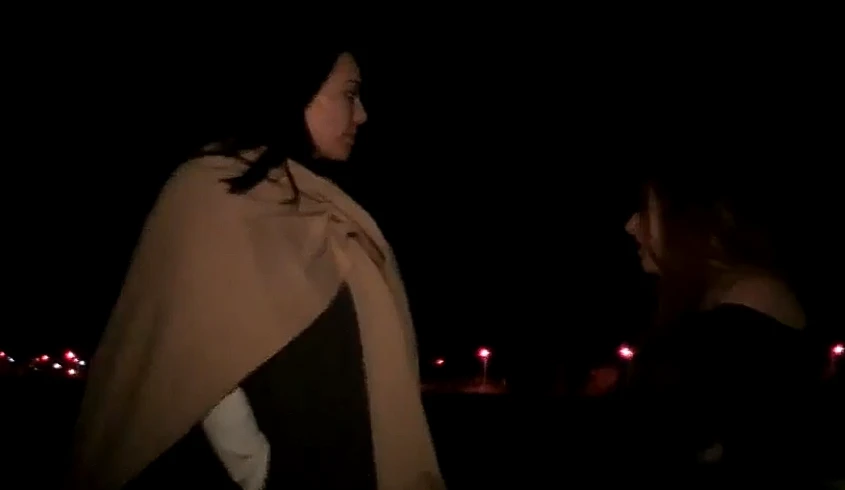
That contrast exposes the distance between the life she wants and the consequences she may be ignoring.
Dr. Phil’s broader message is not that homelessness should be used as entertainment. The lesson is that people who take comfort, money, and family support for granted may need to understand what life can look like without those protections.
Sherlyn’s reactions are not flattering. She judges, complains, panics, calls her mother names, and tries to leave. But those reactions are also part of the lesson. They show how unprepared she is to face real hardship.
The experience forces viewers to ask a bigger question: if one night feels unbearable, how much more compassion should society have for people living that reality every day?
Situation Judgment
Sherlyn’s fear is understandable, but her attitude reveals a lack of maturity. She reacts to homelessness with disgust before she begins to understand the people living through it. Her comment that it smells like “poverty” shows how easily discomfort can turn into judgment.
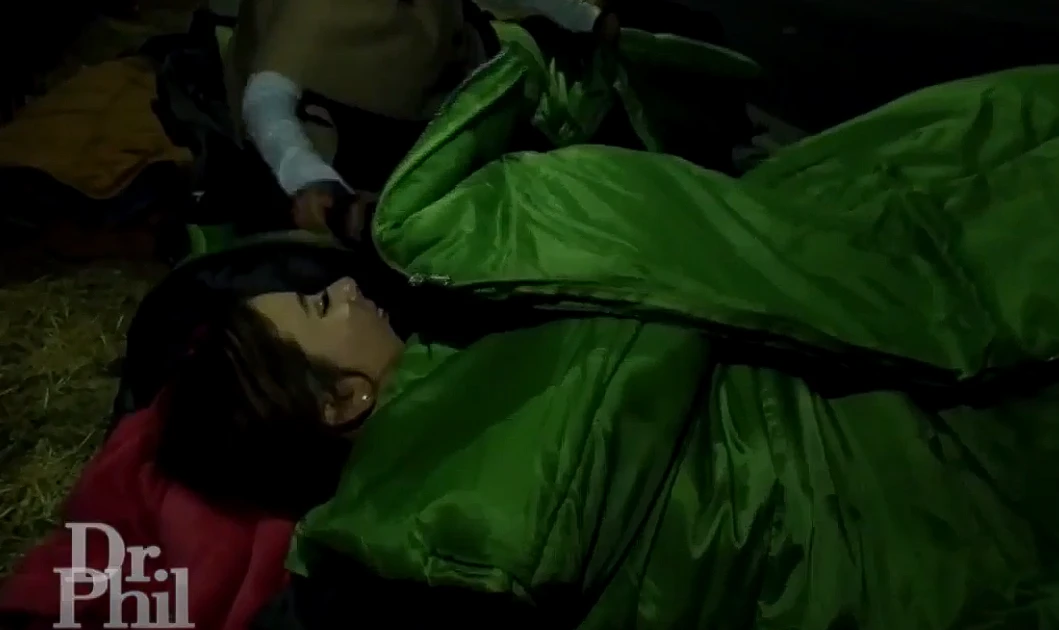
At the same time, the experience gives her a chance to recognize how protected her own life has been. She still has a mother to call, a hotel bag to retrieve, an airport to reach, and a way to escape. Many people on the street do not have those options.
The strongest lesson is that financial irresponsibility and emotional immaturity can lead to serious consequences if they are never addressed. Sherlyn needs more than fear. She needs responsibility, gratitude, practical planning, and empathy.
Final Lesson
This Dr. Phil segment shows how quickly fantasy can collapse when reality appears.
Sherlyn thought she was going to Las Vegas for lights, stores, and adventure. Instead, she was asked to face what life can look like when comfort and support are gone.
Her night on the street was temporary, supervised, and survivable. But even that limited experience left her scared, cold, angry, and desperate to leave.
The lesson is not only about Sherlyn’s debt. It is about perspective. Comfort can make people careless. Privilege can make hardship seem distant. But real life consequences do not care whether someone is ready to face them.
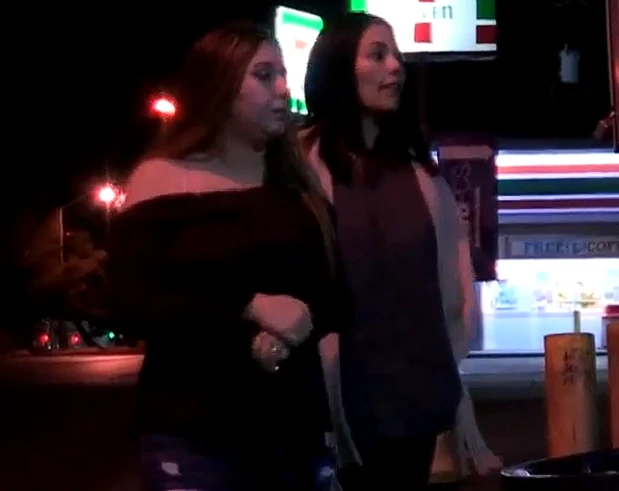
In the end, the most powerful takeaway is simple: responsibility must begin before life removes your options. Sherlyn still has time to change, but only if she stops treating support as something guaranteed and starts seeing it as something she must respect.