When a Troubled Relationship Becomes a Tug of War, Dr. Phil Demands Professional Help
Dr. Phil removes a guest from the stage after inappropriate behavior during a serious relationship discussion. The segment explores boundaries, emotional vulnerability, outside influence, dysfunction, and why professional help must be neutral.
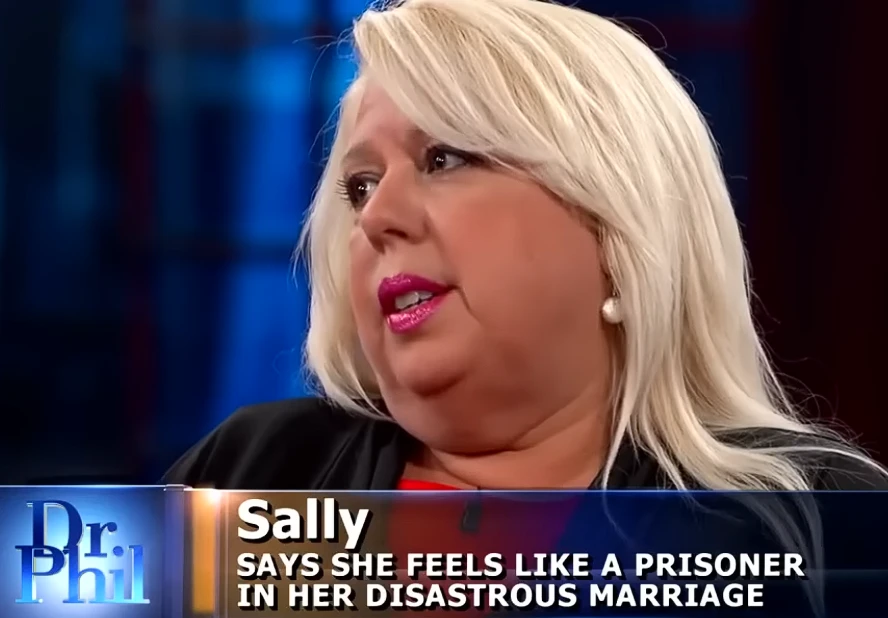
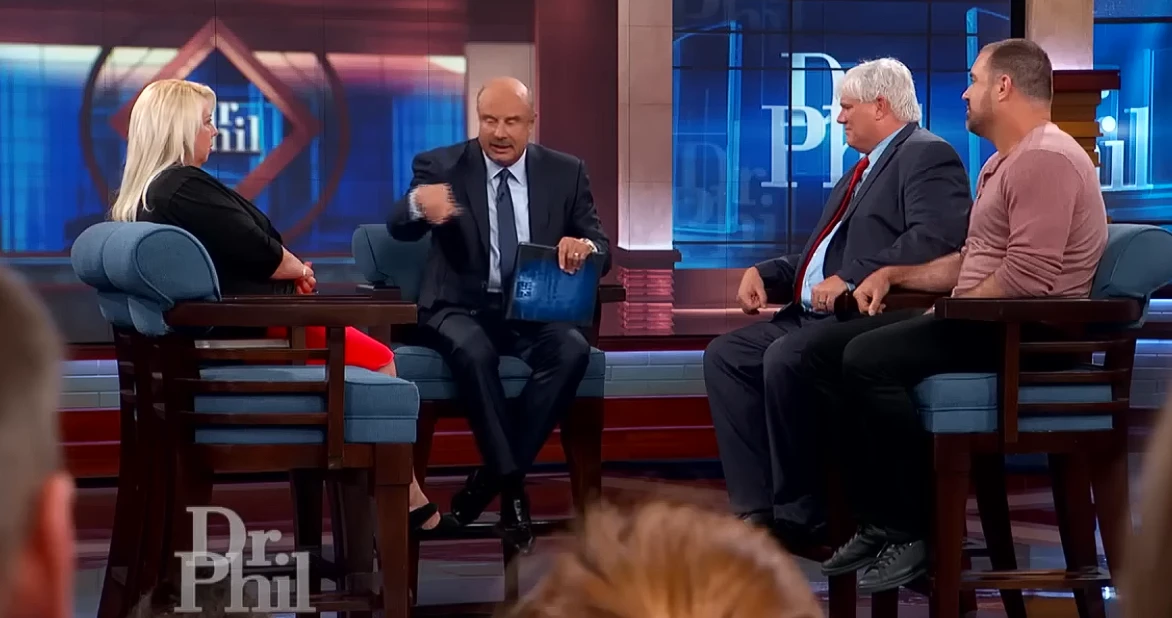
A troubled relationship becomes even more complicated when outside voices enter the conflict with their own opinions, emotions, and personal agenda. In this Dr. Phil segment, Charles says he still loves Sally and wants help, but the discussion is disrupted when another guest appears to mock the seriousness of the situation. Dr. Phil immediately stops the behavior and has the guest escorted off stage. What follows is a deeper conversation about dysfunctional love, emotional vulnerability, inappropriate influence, and the need for independent professional support. The lesson is clear: when a relationship has become this unstable, help must come from someone focused only on healing—not from someone personally invested in the outcome.
A Serious Conversation Is Interrupted
The segment begins when Dr. Phil brings Coach Mike Bayer into the conversation. Mike is introduced as a personal development coach and regular contributor to the Dr. Phil team. Dr. Phil asks him what he has heard from the discussion so far.
Mike speaks directly to Charles, saying, “You say you’re a man of faith. You believe in God.” He then suggests that the “universe” and “higher power” may be communicating that the relationship is “not the right fit.”
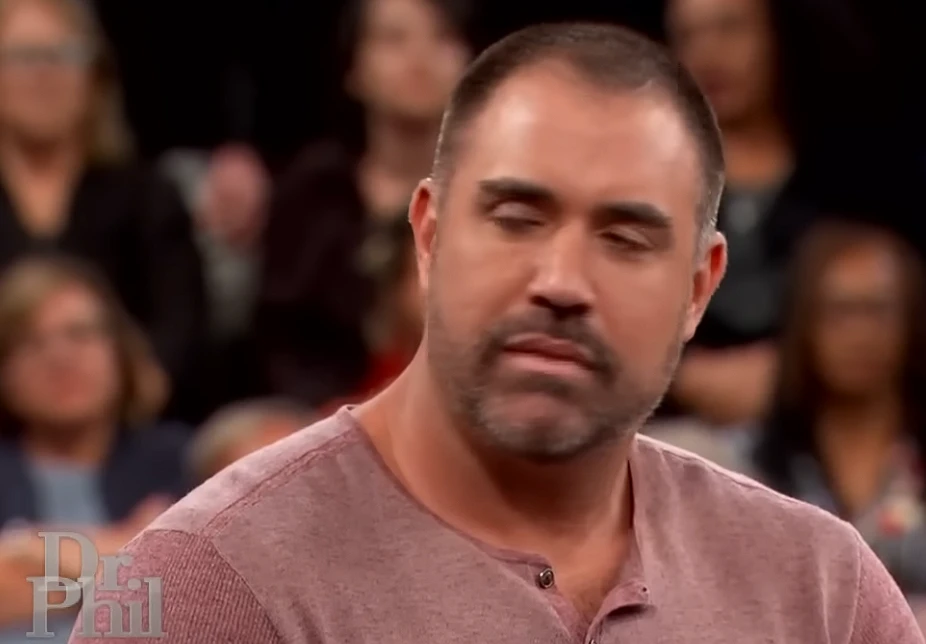
This is an important moment because Charles is clearly not detached from the relationship. He is conflicted. He says, “I do love her though,” and adds, “I wish that I could do something to change.” He also says he wanted to “grow old with her.”
Those words show a man who still has emotional attachment, even though the relationship appears deeply troubled. He does not sound like someone simply trying to win an argument. He sounds confused, hurt, and desperate for a path forward.
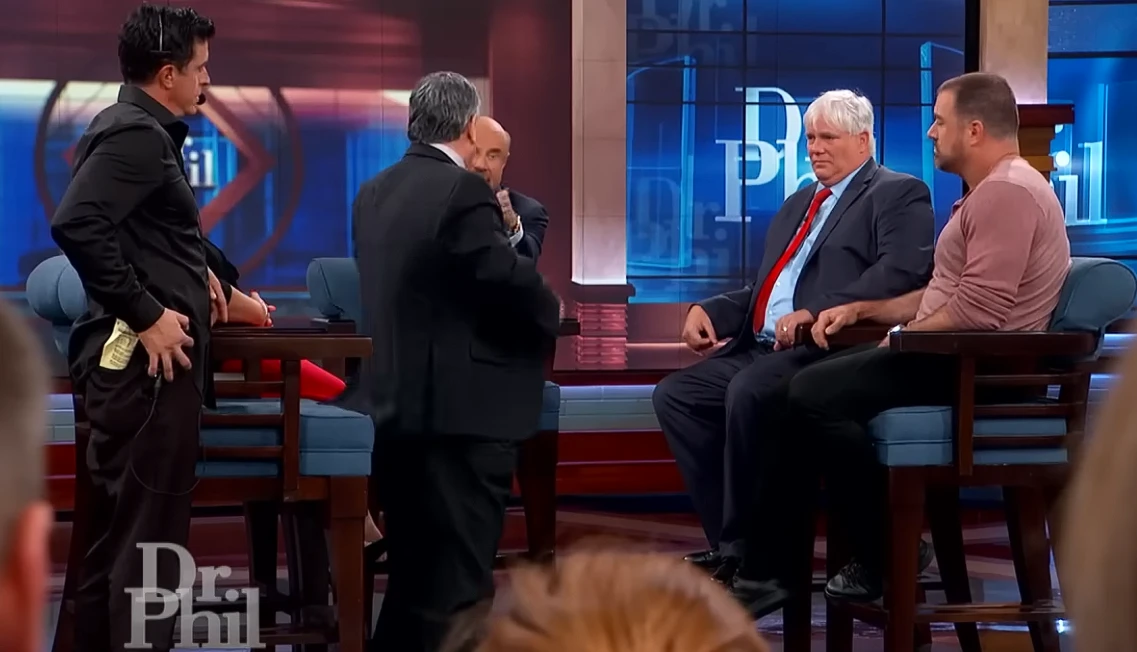
Then the conversation is interrupted by inappropriate behavior from another guest. Dr. Phil immediately stops everything and says, “Hold on. Stop. I’m gonna have to ask you to leave.”
Dr. Phil Draws a Hard Boundary
Dr. Phil does not hesitate when the guest appears to mock the situation. He says, “You are being inappropriate, and I am not going to have you here mocking this situation.”
That response is central to the segment. Dr. Phil recognizes that the conversation is emotionally serious. Charles is discussing love, confusion, and possible separation. Sally’s life and choices are also being examined. This is not a moment for jokes, smug reactions, or public humiliation.
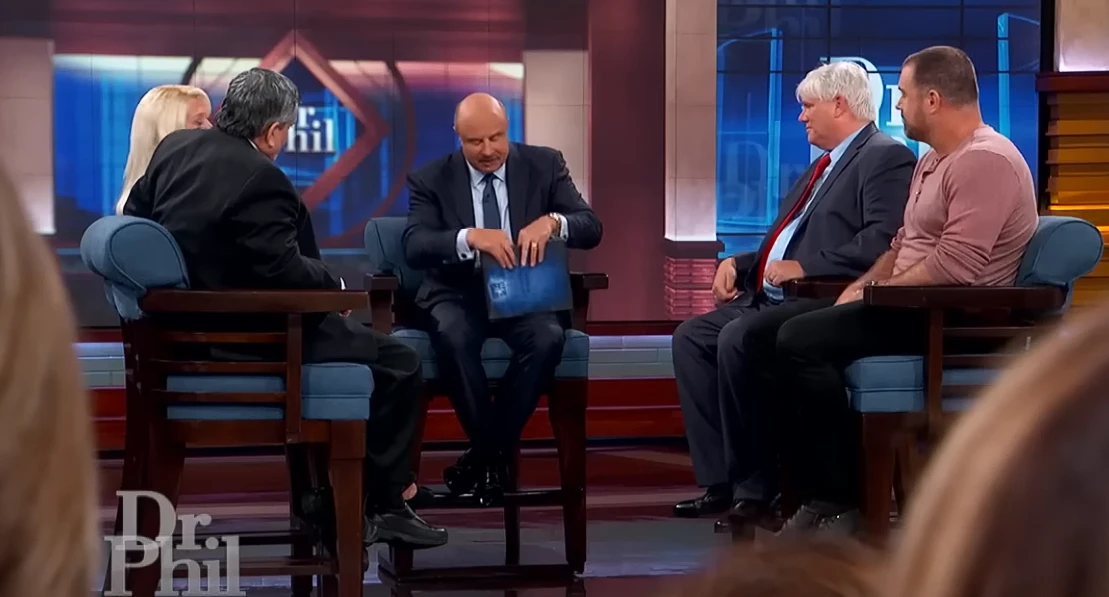
By having the guest escorted away, Dr. Phil protects the tone of the discussion. He makes clear that if someone cannot treat the situation with seriousness, they cannot remain part of the conversation.
This is an important lesson in conflict resolution. Difficult relationship problems require emotional safety. If one person is mocked while trying to speak honestly, the conversation becomes unsafe and unproductive.
Dr. Phil gives the guest a choice, telling him he can go back where he came from or go out the back door. Either way, the behavior is not allowed to continue.
Charles Still Wants Help
After the interruption, Dr. Phil turns back to Charles and says, “Go ahead, Mike.”
Mike tells Charles, “You have to let her go.” Charles responds honestly: “I don’t have to like it, do I?”
This short exchange reveals how painful the situation is. Charles may understand that the relationship is not working, but emotionally accepting that reality is much harder.
Mike replies, “I don’t like a lot of things that I have to do. You don’t either, right?” Then he says clearly, “This is not working.”
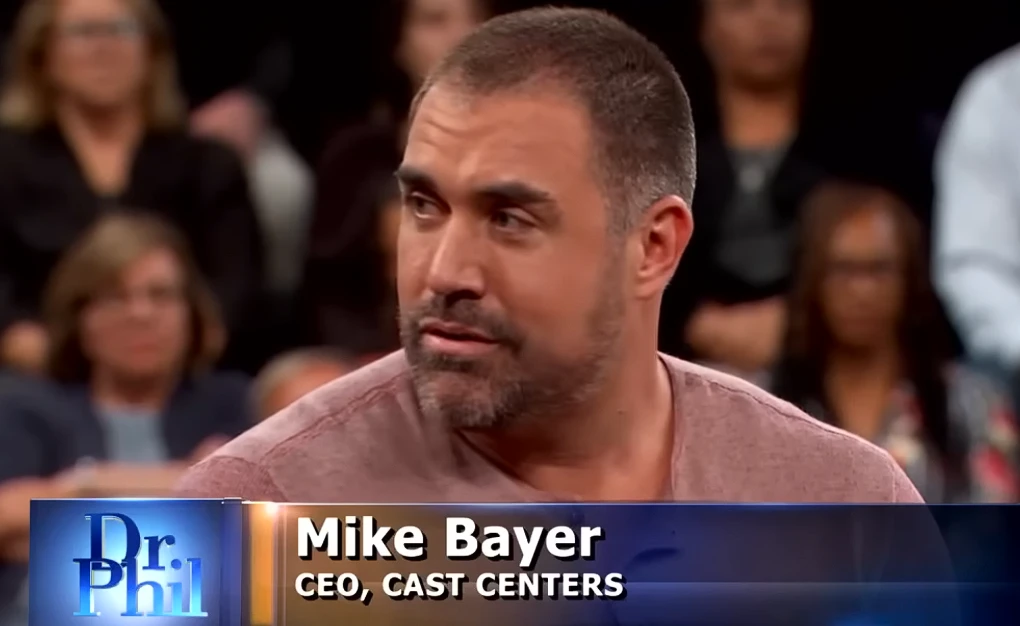
Charles does not argue with that statement. Instead, he says, “I just don’t know where to go.”
That line is one of the most important in the segment. Charles is not simply asking whether he should stay or leave. He is admitting that he does not know what to do next. He is emotionally stuck.
Dr. Phil responds with reassurance: “I’m gonna help you. We’re gonna help you.”
The Relationship Has Become Deeply Dysfunctional
Dr. Phil then begins explaining the core problem. He says, “The dysfunction involved in this situation is you don’t know whether you want her in your life or you don’t.”
This sentence captures the emotional confusion at the center of the relationship. Charles still loves Sally, but the relationship has become so painful and unstable that he no longer knows whether staying is healthy.
Dr. Phil continues, saying the relationship has been “so dysfunctional” and “so inappropriate.” His language is direct because he wants Charles to stop romanticizing a situation that has already caused serious harm.
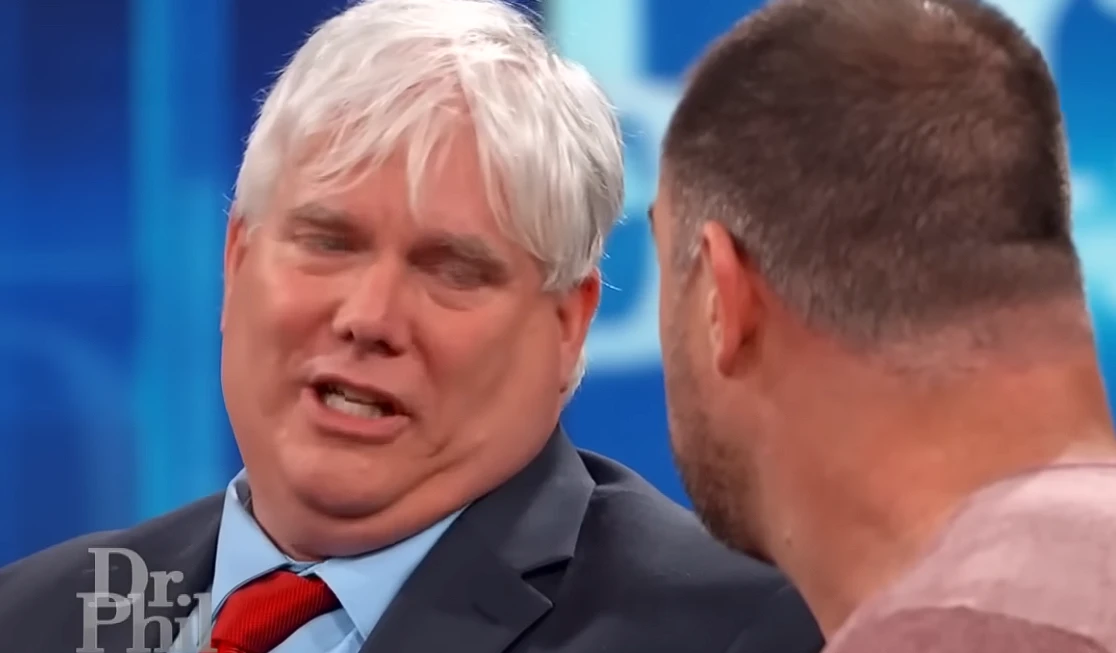
Love alone is not enough to make a relationship healthy. A person can love someone and still be trapped in a pattern that damages both people.
Charles’s statement that he wanted to grow old with Sally shows his emotional hope. But Dr. Phil is asking him to look at reality, not only hope.
Outside Influence Becomes a Serious Concern
The discussion then turns toward the role of the man who had become involved in Sally’s life. Dr. Phil criticizes the man’s “judgmental” and “smug” attitude, especially because of his connection to the synagogue.
Dr. Phil says that if the synagogue is comfortable with what is happening, he will be “the most shocked guy on the planet.” He even says he is going to have that conversation with the rabbi.
This part of the segment is not only about personal behavior. It is about boundaries. If someone is positioned as a counselor, religious advisor, mentor, or trusted helper, that person carries responsibility.
Dr. Phil says, “For you to have that connection and then it go on to something else is inappropriate at a vulnerable time.”
That statement is one of the strongest lessons in the episode. When someone is emotionally vulnerable, they need guidance from someone whose only agenda is helping them—not someone who becomes personally involved in the outcome.
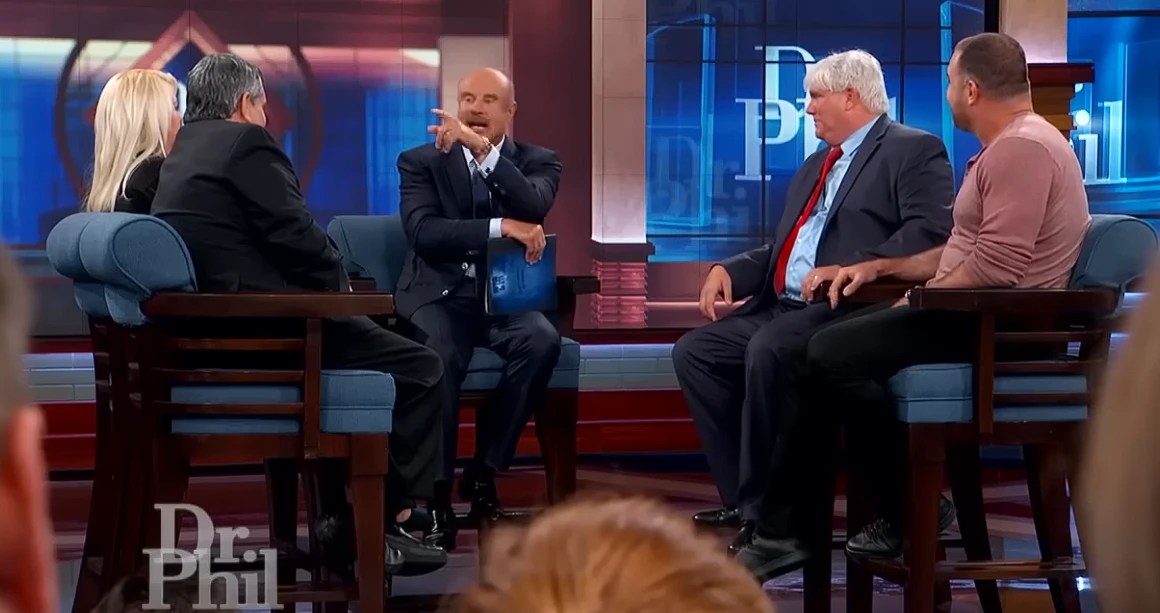
Why Neutral Help Matters
Dr. Phil explains that Sally needs someone “that has your agenda and your agenda only.” He adds that the support should be focused on her needs, “not their own agenda.”
This is a crucial point. In a complicated relationship crisis, advice can easily become biased when the person giving advice wants a personal relationship, emotional access, or control over the outcome.
A neutral professional is different. A professional counselor or therapist should not be competing for emotional attachment. Their role is to help the client think clearly, make safe decisions, and understand the situation without manipulation.
Dr. Phil tells Sally he will provide “a professional” who will deal with her “independently.” He says this will keep her from being in a “tug of war” between someone else’s agenda and her own needs.
That phrase, “tug of war,” defines the entire conflict. Sally appears pulled between Charles, another man, her own uncertainty, and the emotional history of the relationship.
The Relationship Lacks the Foundation It Needs
Dr. Phil then breaks down why the relationship between Charles and Sally is not functioning as a healthy partnership.
He says they have been together “12 years” and have had very limited intimacy. He adds, “That’s not intimacy. That’s not a relationship that’s based on mutual trust and intimacy.”
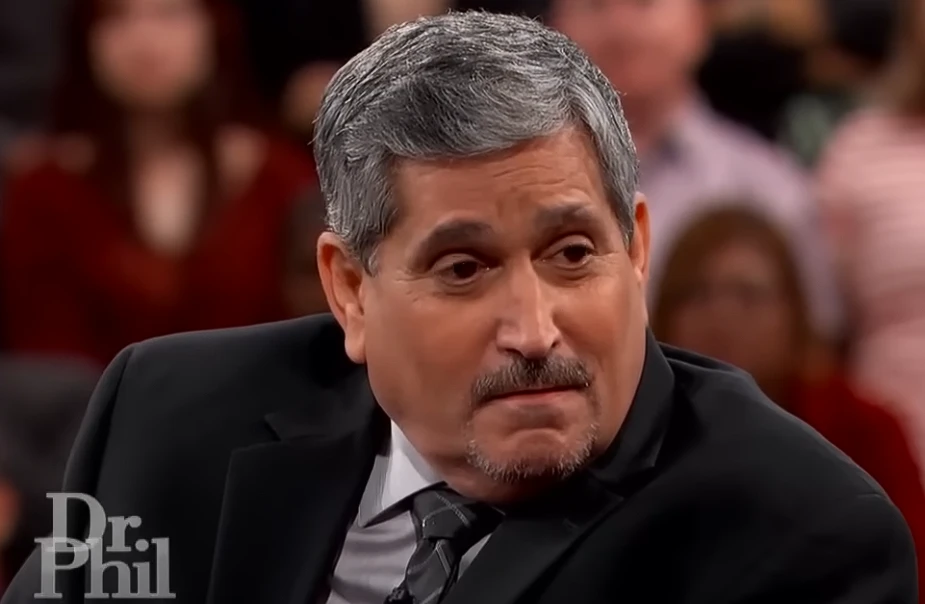
This is not meant only as criticism. Dr. Phil is pointing out that a relationship cannot survive on history alone. Being together for many years does not automatically mean the relationship is emotionally healthy.
He also says Sally has left Charles “19 times.” This detail suggests a repeated cycle of separation and return. A relationship that repeatedly breaks apart and restarts without real repair can become emotionally exhausting for both people.
Dr. Phil’s point is that the couple needs to stop pretending this is a normal rough patch. The pattern is long-term, repetitive, and deeply unstable.
Frustration Has Crossed Into Harmful Behavior
Dr. Phil also addresses Charles directly about his own behavior. He says Charles has become so frustrated that he has “aggressed against her,” and he clearly states, “That’s inappropriate.”
This is important because Dr. Phil does not allow Charles’s pain to erase accountability. Charles may be confused, hurt, and still in love, but frustration does not justify harmful behavior.
At the same time, Dr. Phil does not reduce Charles to one mistake. He tells him there has to be “a different way to go about this.”
That is a practical and balanced message. The relationship may be dysfunctional, but the solution cannot be more conflict, more pressure, or more emotional reaction.
If Charles wants to become healthier, he needs support that helps him respond differently, whether the relationship continues or ends.
Strength, Not Weakness
Near the end of the clip, Dr. Phil gives one of the strongest statements of the segment: “If you are ever going to be together, it’s going to be from a position of strength, not weakness.”
This line summarizes his entire message. A relationship cannot be rebuilt through desperation, fear, pressure, jealousy, or emotional dependency.
If Charles and Sally ever have a future, they need to become healthier individuals first. They need boundaries, professional support, honesty, and emotional stability.
If they separate, that also needs to happen from a healthier place—not through chaos, humiliation, or outside manipulation.
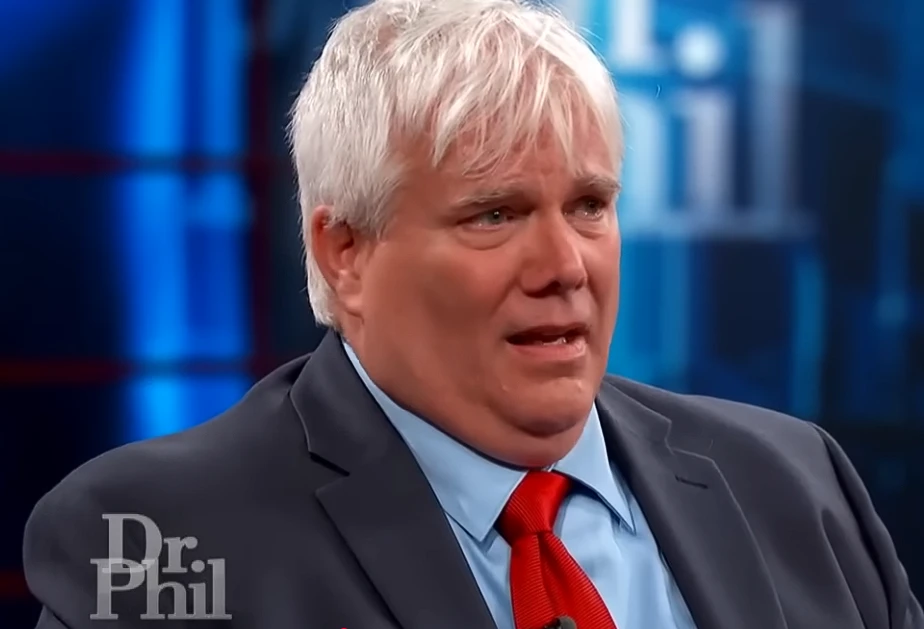
Dr. Phil’s message is not simply “stay” or “leave.” It is: stop making decisions from pain and confusion. Get stronger first.
Situation Judgment
The central issue in this segment is not only whether Charles and Sally should remain together. The deeper issue is that the relationship has become unstable, repetitive, and emotionally unhealthy.
Charles still loves Sally and says he wanted to grow old with her. That feeling may be real. But Dr. Phil is right to point out that love does not erase dysfunction, repeated separations, lack of trust, and unhealthy reactions.
The guest who mocked the situation deserved to be removed because his behavior damaged the seriousness of the conversation. A vulnerable relationship crisis should not become entertainment for someone personally involved.
Dr. Phil’s strongest judgment is that Sally needs independent professional help, not guidance from someone with a personal agenda. Charles also needs support to make decisions from strength rather than desperation.
Final Lesson
This Dr. Phil segment shows that troubled relationships cannot be repaired through emotion alone.
Charles’s love for Sally may be sincere, but sincerity is not enough when a relationship has become a cycle of leaving, returning, frustration, and confusion. Sally’s vulnerability also makes it especially important that the people advising her are neutral and focused only on her well-being.
The strongest lesson is about boundaries. A counselor, mentor, or faith-based advisor must never allow support to become personal involvement that benefits their own agenda. When someone is emotionally vulnerable, they need clarity—not another tug of war.
Dr. Phil’s decision to escort a guest off stage reinforces that serious pain deserves respect. Mocking, interrupting, or using someone’s crisis for personal satisfaction has no place in a conversation about healing.
In the end, a relationship can only be rebuilt from strength. If Charles and Sally are ever going to find peace, together or apart, they need professional guidance, emotional honesty, and the courage to stop repeating patterns that have already caused too much damage.