Dr. Phil Helps a 16-Year-Old Put Her Feelings Into Words
She Really Wants
A 16-year-old who describes herself as the “black sheep” of her family opens up to Dr. Phil about her relationship with her mother and stepfather. The emotional discussion explores communication, blended families, emotional needs, and a teenager’s hope for a happier future.
Teenagers often express their emotions through anger, withdrawal, or defiance, but those behaviors can sometimes hide much deeper feelings. In this emotional Dr. Phil episode, 16-year-old Anelisa describes herself as the “black sheep” of her family. While adults around her focus on her difficult behavior, Dr. Phil asks a different question: “What do you want?” Her answer reveals that beneath the conflict is a teenager who simply wants to feel heard, rebuild her relationship with her mother, and imagine a future filled with hope instead of constant family tension.
A Teenager Who Is Finally Being Heard
The conversation begins with Dr. Phil asking Anelisa how she feels about being on the show.
Her answer surprises him.
She says, “Good.”
When he asks why, she responds, “Because my family is actually talking.”
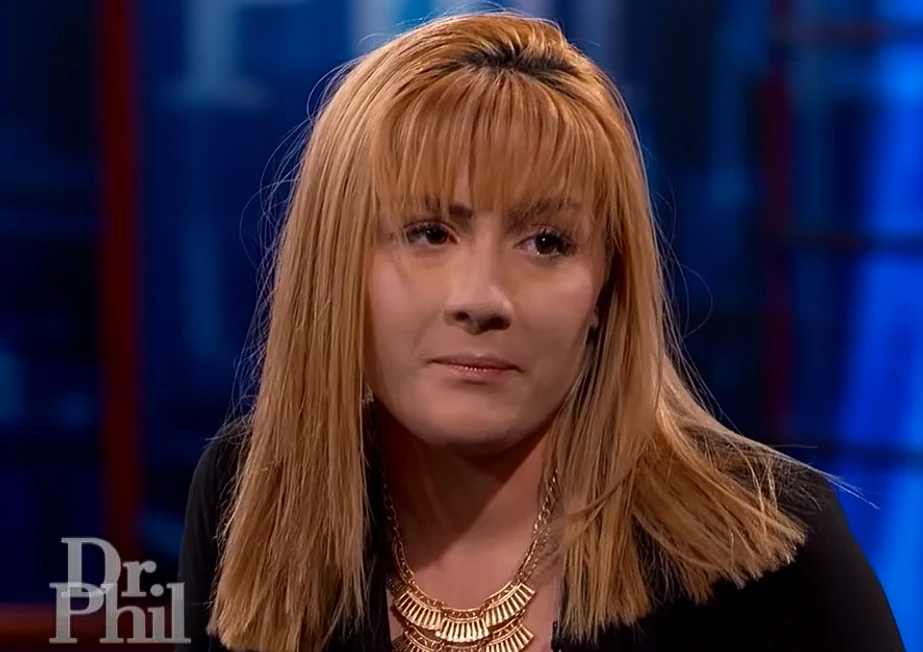
Although the answer is short, it immediately reveals one of the biggest problems inside the household. Anelisa does not begin by complaining about rules or punishment. Instead, she points to something much more basic—the family has stopped communicating.
Many family conflicts become more serious not because people stop caring about each other, but because they stop feeling understood. Anelisa’s first response suggests that meaningful conversations have become rare, leaving frustration to build over time.
She Loves Her Mother, But Feels Emotionally Alone
Dr. Phil asks Anelisa about her relationship with her mother.
She pauses before answering.
“I love her,” she says, “but it’s changed a lot.”
She explains what hurts the most.
“I just can’t talk to her.”
Then she describes the emotional pattern she experiences at home.
“I feel like I should have a mom that I can talk to about my feelings, but somehow she always twists it to me hurting her.”
This statement becomes one of the emotional centers of the interview.

Rather than saying her mother does not love her, Anelisa says she no longer feels emotionally safe sharing difficult feelings. Every conversation, in her view, somehow shifts away from her emotions and toward her mother’s pain.
Whether both people experience those conversations the same way or not, Anelisa clearly feels that her emotional needs are not being fully heard.
She Knows Her Own Behavior Has Been Wrong
Dr. Phil then asks an important question.
He asks whether she believes the choices she has been making are reasonable for someone her age.
Without hesitation, Anelisa answers, “No.”
She even adds, “They’re horrible actions.”
This moment is significant because it shows self-awareness.
Many teenagers become defensive when confronted about behavior. Instead, Anelisa openly admits that her actions have not always been appropriate.
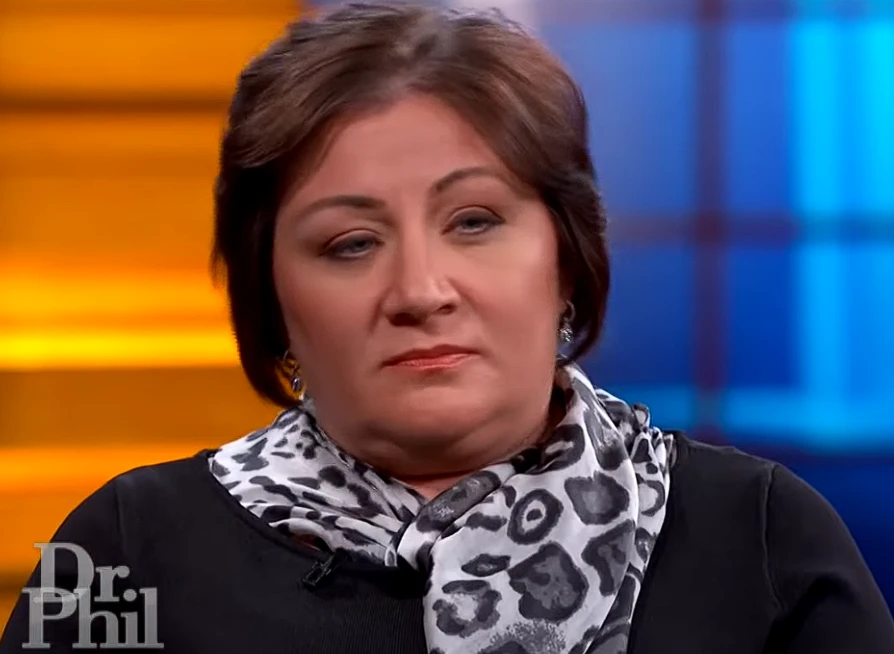
That admission changes the direction of the conversation.
Rather than arguing about whether her behavior is acceptable, Dr. Phil moves toward a much deeper question: what is driving those behaviors in the first place?
The Future She Dreams About Is Surprisingly Simple
Dr. Phil asks one of the most thoughtful questions in the interview.
He tells Anelisa to imagine she could write the script for the rest of her life.
“What would it be?”
Her answer is remarkably hopeful.
“I want to be happy.”
She continues, “I want to go to school.”
She says she wants her stepfather “out of the house.”
Then she lists the people who matter most.
“I want my mom, my sisters, my dog.”
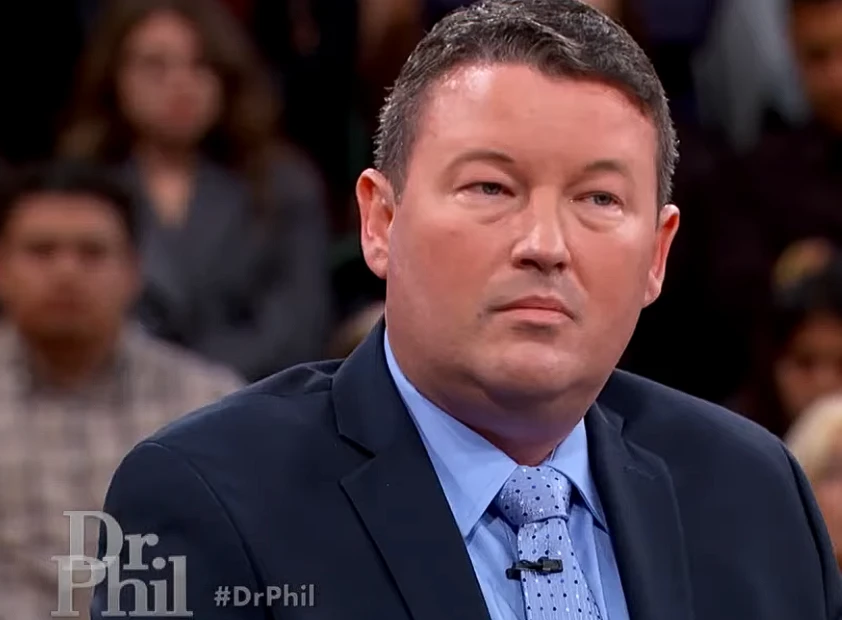
She finishes by saying she wants to graduate, attend college, and become either “a vet or a therapist.”
These goals reveal something important.
Behind the anger is a teenager who still imagines a successful future. She has not abandoned education. She has not stopped dreaming. She simply believes those dreams are difficult to pursue while family conflict continues.
Why Her Stepfather Has Become the Focus of Her Anger
When Dr. Phil asks why she wants her stepfather to leave, Anelisa responds emotionally.
“I don’t like him at all. I hate him.”
However, she immediately makes one exception.
“The only reason I’m happy he came into our life is because I love my sisters.”
This answer shows that her feelings are more complicated than simple hatred.
She values the younger sisters who were born after the relationship began, but she struggles deeply with the man himself.
Dr. Phil allows her stepfather to respond.
He asks gently, “What did I do to you to make you feel that way?”
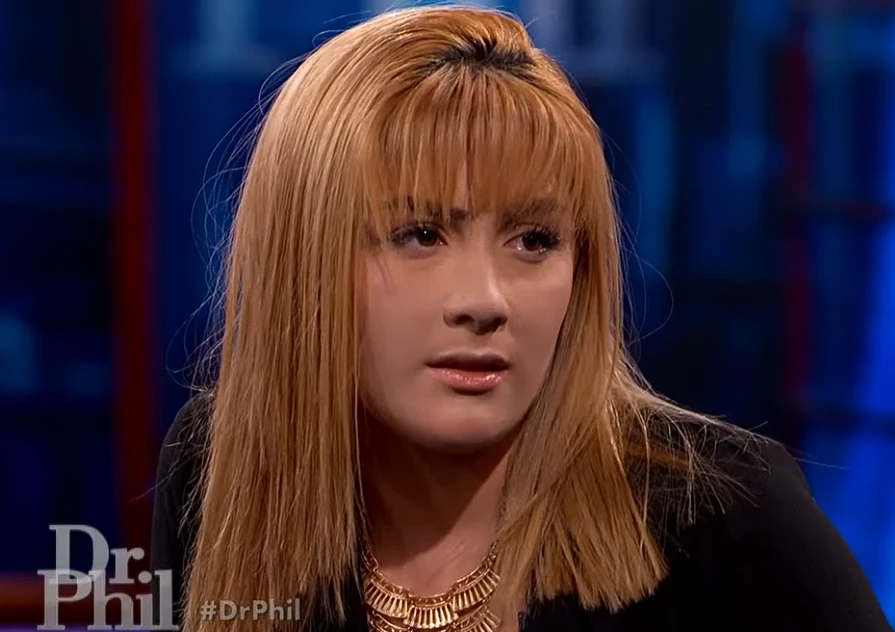
At first, Anelisa says, “I just don’t like you as a person.”
She also says she dislikes how he treats her mother and the way he speaks.
The Pain Left by an Absent Father
As Dr. Phil continues asking questions, another issue slowly emerges.
The stepfather asks again what he has actually done to offend her.
After thinking for a moment, Anelisa explains that certain comments remind her of her biological father.
She says, “He knows that he’s saying that because he knows my dad hasn’t been there.”
Then she adds perhaps the most revealing statement of the interview.
“I feel like I’m getting blamed for him not being there.”
This sentence changes the discussion entirely.
The issue may not simply be dislike toward her stepfather.

Instead, years of disappointment surrounding her biological father’s absence appear to have created emotional wounds that continue affecting present relationships.
The stepfather immediately replies, “That isn’t no one’s fault but his own.”
While intended as reassurance, the conversation demonstrates how sensitive this subject remains for Anelisa.
Anger Often Protects More Vulnerable Feelings
During one emotional exchange, Anelisa says, “I can’t even look at him.”
She even insults his appearance.
Her mother responds by saying, “It’s not nice.”
From the outside, those words sound harsh.
However, Dr. Phil appears interested in what those insults are protecting.

Many teenagers express sadness through anger because anger often feels emotionally safer than admitting disappointment, loneliness, or rejection.
As the interview continues, it becomes increasingly clear that beneath Anelisa’s hostility is unresolved pain connected to feeling unheard, misunderstood, and abandoned by important adults in her life.
Her Stepfather Remembers a Different Child
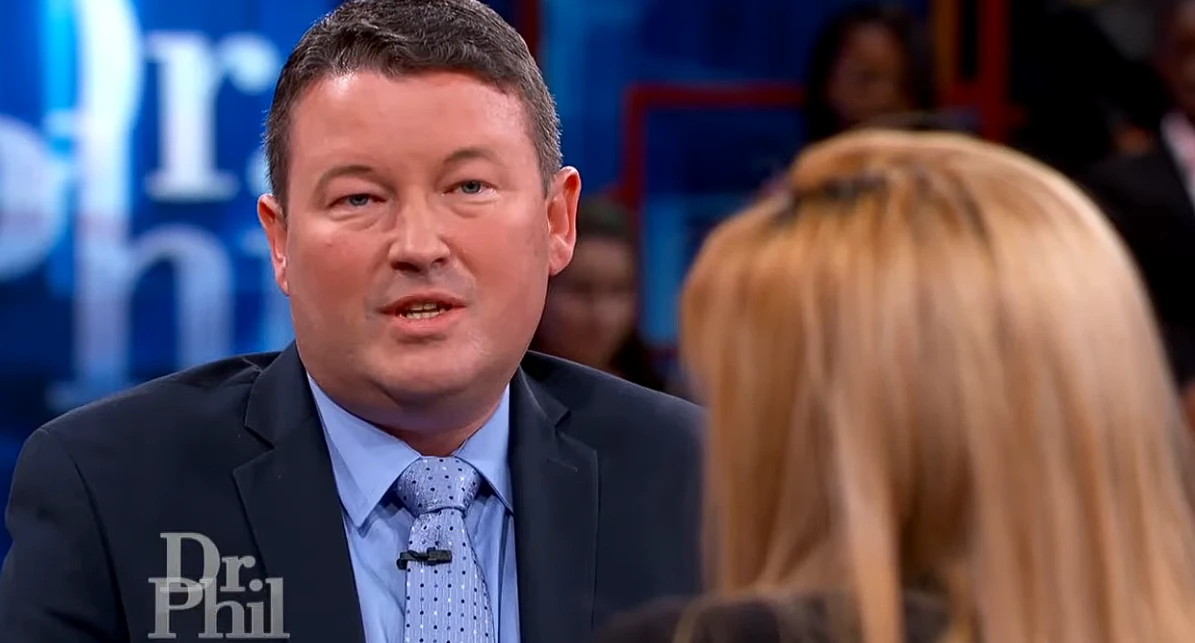
The stepfather responds with visible emotion.
He reminds Anelisa, “You did get along with me.”
He asks, “When I was little… who are you? Where did you come from?”
His questions suggest that he remembers a very different relationship during her childhood.
He also says, “I worked hard to get you help, Anelisa.”
From his perspective, many of his actions were attempts to support her rather than hurt her.
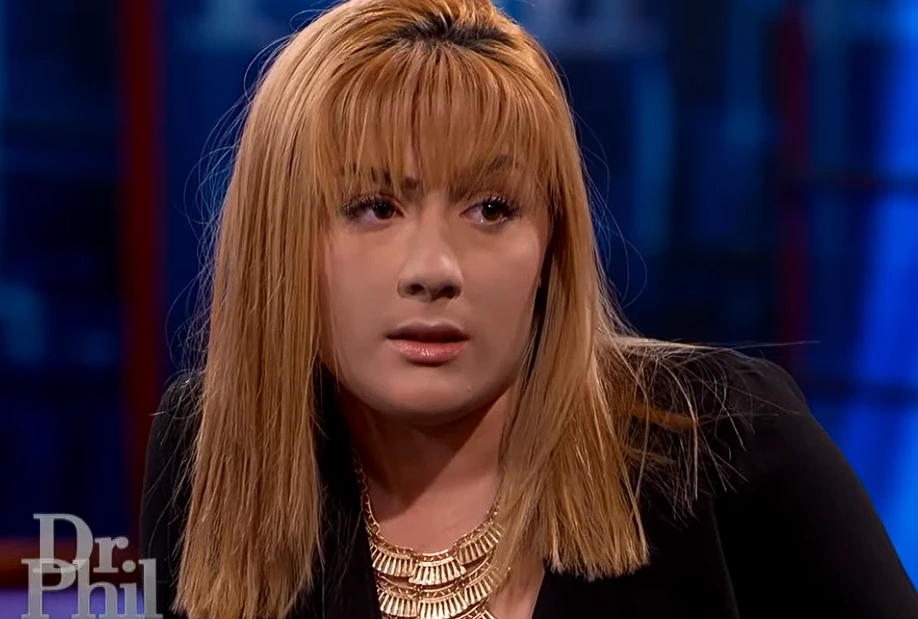
This illustrates another common challenge within families.
Two people may genuinely care about one another while remembering the same relationship very differently.
Without open communication, those differences often grow larger over time.
Dr. Phil Focuses on Hope Instead of Conflict
Rather than allowing the family to continue arguing, Dr. Phil repeatedly redirects attention toward Anelisa’s future.
He notices that despite everything she has experienced, her goals remain positive.
She wants to graduate.
She wants college.
She wants a career helping either animals or people.
Dr. Phil even tells her she would have “a rich body of experiences” if she became a therapist.
His observation acknowledges something important.

Painful experiences do not automatically define a person’s future. They can also become sources of empathy, understanding, and strength when someone learns to process them in healthy ways.
Situation Judgment
Anelisa openly accepts responsibility for many of her own behaviors, calling them “horrible actions.” That honesty is an encouraging starting point.
At the same time, her comments reveal deeper emotional needs that appear to have gone largely unaddressed. She wants communication with her mother, continues grieving the absence of her biological father, and struggles to accept the role of her stepfather within the family.
The conflict presented in this episode is not simply about discipline or teenage rebellion. It reflects years of changing family relationships, unmet emotional needs, and conversations that never fully happened.
The strongest path forward is unlikely to come through punishment alone. Instead, rebuilding trust will require consistent communication, patience, and creating space where every family member feels heard without immediately becoming defensive.
Final Lesson
This Dr. Phil segment reminds viewers that difficult behavior often tells only part of the story.
Behind Anelisa’s anger is a teenager who dreams about graduating, attending college, helping others, and rebuilding a happier family life. Her strongest wish is surprisingly simple: “I want to be happy.”
The episode also highlights the importance of listening beneath the words. Teenagers sometimes express fear through anger, disappointment through defiance, and loneliness through conflict. Parents who recognize those deeper emotions may be better equipped to rebuild trust.
Ultimately, healing begins when families stop asking only, “What’s wrong with this child?” and start asking, “What is this child trying to tell us?” That shift in perspective can transform painful arguments into meaningful conversations and create the opportunity for lasting change.