When Online Identity, Parenthood, and Trust Collide
Twin Photos Online
A couple believes someone used photos of their twin daughters online and claimed them as her own. The woman denies the allegation as Dr. Phil explores digital identity, motherhood, trust, and the emotional impact such accusations can have on families.
Social media has made it easier than ever to share family photos with friends and relatives. At the same time, it has also created new concerns about privacy, identity, and how personal images can be used online. In this Dr. Phil episode, April and Nathan believe someone digitally took photographs of their twin daughters and presented them as her own children. The woman at the center of the accusation strongly denies doing so. Rather than rushing to conclusions, Dr. Phil carefully examines the facts, asks difficult questions, and explores why such allegations can have a profound emotional impact on everyone involved.
A Serious Allegation Involving Family Photos
Dr. Phil begins by summarizing the situation. He tells the guest that April and Nathan believe she has “digitally kidnapped these children” and is “claiming them as your own.” He immediately gives her the opportunity to respond.

Her answer is direct. She says, “That’s absolutely not the case,” adding, “I have no idea why they think that.”
From the opening moments, it becomes clear that this is not a simple disagreement. One family believes their children’s images were used without permission. The woman denies any involvement. Before discussing responsibility, Dr. Phil focuses on understanding both the emotional context and the facts available.
The case also illustrates how quickly online disputes can become deeply personal. Unlike disagreements over opinions or comments, photographs of children carry enormous emotional significance for parents.
Her Own Experience as a Mother Changes the Conversation
Rather than immediately debating the allegation, Dr. Phil asks the woman about her own family. She confirms that she has children and explains that she also has twin daughters.
However, she reveals another painful part of her life, saying, “I do not have custody of them.” When Dr. Phil asks why, she answers honestly: “I had made mistakes in my life and I was sent to prison, and I lost custody of them because of that.”

This admission changes the tone of the interview. Instead of presenting herself as someone with a perfect background, she openly acknowledges serious mistakes that affected her family.
Dr. Phil continues by asking whether giving up parental rights was difficult. She simply answers, “Yes.”
Although the conversation is centered on the allegations involving another family’s children, this exchange reminds viewers that the guest has also experienced the pain of separation from her own daughters.
The Emotional Weight of Losing Custody
The discussion about custody is important because it provides emotional context without proving or disproving the allegations.
The woman explains that she no longer knows who currently has custody of her daughters because she no longer has parental rights. That admission reflects the long-term consequences of earlier decisions.
For many parents, losing custody is one of the most painful experiences imaginable. It often brings feelings of regret, grief, and unanswered questions about the future.

Dr. Phil does not use this history to suggest guilt regarding the current accusations. Instead, he explores whether her personal experience as a mother helps her understand why another family would feel frightened if they believed someone had taken their children’s identities online.
This distinction is important. A difficult personal history should not automatically determine how new allegations are viewed. Each issue deserves to be examined on its own evidence.
Why Parents React So Strongly
After learning about her own children, Dr. Phil asks a question that shifts the discussion toward empathy.
He says, “How would a mother feel if somebody was hijacking their children and claiming them as their own?”
Rather than arguing, the woman pauses before answering. She says she would “definitely feel possibly scared.” She adds, “I’m not sure how I would feel in that situation, but I do think I would definitely be scared.”
This response is significant because it acknowledges the emotional impact the situation could have on April and Nathan if they genuinely believed someone was using photographs of their children without permission.

Whether the allegations are ultimately proven or disproven, fear itself is understandable. Parents naturally want to know where their children’s images appear and how those images are being used.
The Importance of Empathy Before Defending Yourself
One of the most thoughtful parts of the interview is that Dr. Phil encourages empathy before focusing on denial.
The guest consistently maintains that she did not digitally take the twins’ identities. At the same time, Dr. Phil asks her to consider the situation from another parent’s perspective rather than only from her own.
This approach reflects an important principle in family conflicts. Even when someone believes they are innocent, understanding why another person feels frightened or hurt can make communication more productive.
Empathy does not require admitting responsibility. It simply requires recognizing another person’s emotional reality.

Social Media Creates New Parenting Challenges
The episode also highlights how modern technology has changed the responsibilities parents face.
Years ago, family photographs usually remained inside albums shared only with relatives and close friends. Today, digital images can be copied, reposted, edited, and distributed across multiple platforms within minutes.
Because of that, many parents have become increasingly careful about how much information they share online, especially when young children are involved.
When concerns arise that a child’s photographs may have been presented as belonging to someone else, the emotional response is often immediate. Parents worry about privacy, identity, and the possibility that their children are being represented in ways they never approved.
Whether those fears are ultimately confirmed or not, the concern itself deserves careful attention.
Dr. Phil Focuses on Questions Before Conclusions
Throughout the conversation, Dr. Phil avoids making immediate assumptions.
Instead of declaring someone guilty or innocent, he asks detailed questions about the woman’s own children, her experiences as a mother, and how she believes another parent might react under similar circumstances.

This style of questioning serves an important purpose. Emotional cases often create pressure to choose sides quickly. However, responsible discussion requires understanding the available facts before reaching conclusions.
By asking the woman to think about motherhood from both perspectives, Dr. Phil broadens the conversation beyond the allegation itself.
Motherhood, Loss, and Perspective
Another important theme is the complexity of motherhood.
The woman has experienced the joy of having twin daughters but also the pain of losing custody. April, meanwhile, fears someone may have interfered with her family’s identity by using photographs of her children online.
Although their situations are very different, both involve strong emotional connections to children.
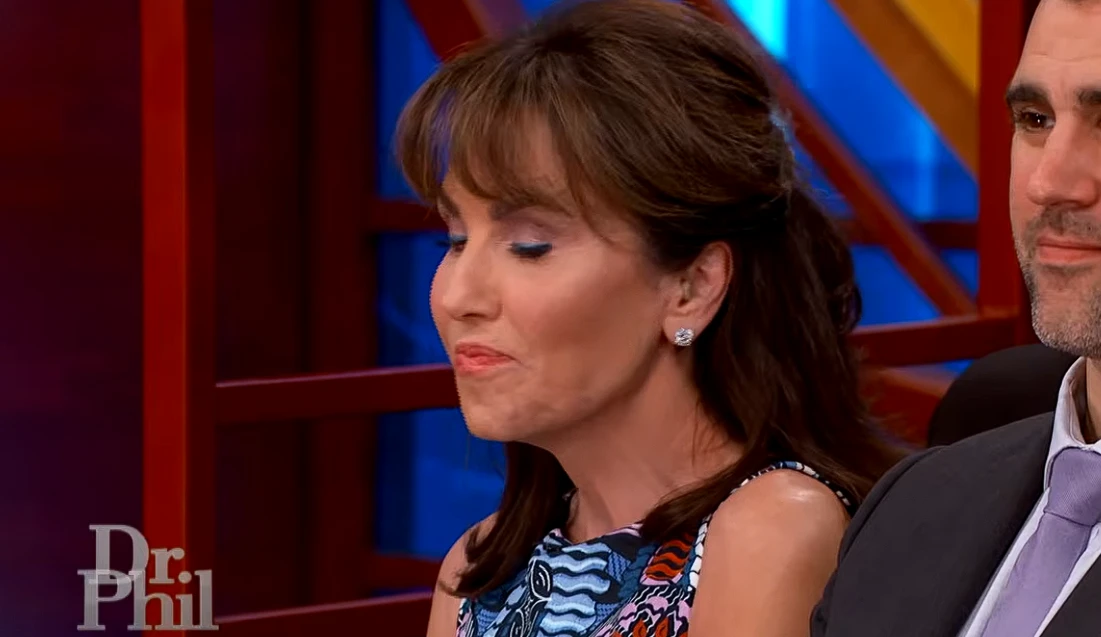
Dr. Phil appears to use this shared experience to encourage understanding rather than immediate confrontation. His questions suggest that recognizing another mother’s fears may be an important step toward meaningful dialogue.
The Broader Conversation About Digital Identity
This episode also reflects a growing issue in the digital age.
Photographs shared online often travel much farther than families expect. Once images become public, controlling where they appear becomes increasingly difficult.
That reality creates new responsibilities for everyone who uses social media. Respecting privacy, seeking permission when appropriate, and understanding the emotional value of family photographs have become increasingly important.
For parents, children’s images are rarely just pictures. They represent trust, identity, and deeply personal family memories.
Situation Judgment
The allegations discussed in this episode are serious because they involve children and their online identities. At the same time, the woman firmly denies the accusations and says she has “no idea” why the couple believes she is responsible.
Based on the portion of the discussion presented, the focus remains on understanding each person’s perspective rather than reaching a final conclusion about the allegation itself.

Dr. Phil’s strongest contribution is encouraging empathy. By asking the guest how she believes a mother would feel if such a situation occurred, he shifts attention from simple denial toward understanding the emotional impact these concerns have on families.
In emotionally charged disputes, careful questioning is often more valuable than rushing to judgment.
Final Lesson
This Dr. Phil segment demonstrates how social media has introduced new challenges for families, especially when children’s photographs become part of online disputes.
Whether concerns involve mistaken identity, unauthorized sharing, or misunderstandings, parents naturally want reassurance that their children’s privacy and identity are respected.
The episode also reminds viewers that empathy remains essential during difficult conversations. Understanding another family’s fears does not automatically determine responsibility, but it creates space for more thoughtful dialogue.
Ultimately, trust is one of the most valuable parts of family life. Protecting that trust requires honesty, respect for personal boundaries, and careful handling of the images and information people choose to share online.